

 Jan 2026


Directive 8020 steals the blanket, turns off the lights, and then politely asks if you could keep it down because something is trying to chew your face. The latest entry from Supermassive Games takes the series' familiar interactive-drama trappings and slaps them into a claustrophobic sci-fi setting: a colony ship, the Cassiopeia, crash-landed on Tau Ceti f, five scattered protagonists with secrets, and an alien that plays very convincing human dress-up. If you're picking this up on PS5 expecting a button-masher or a run-and-gun alien romp, bring a new hobby instead - this is a game that rewards patience, observational skill, and surgical levels of panic control. The Curator may recede into the background, but the pressure on your thumbs and decision-making cortex sure doesn't.
Directive 8020's heartbeat is stealth, timing, and decisions that actually sting. Control alternates between five crew members - including Lashana Lynch's Brianna Young - and each one brings a tiny personal drama and a larger tactical role. The game's chunked into eight roughly hour-long episodes, which means each play session tends to feel like a tense short film where your choices can ripple into permanent deaths, fractured relationships, or slightly less embarrassing outcomes when you use a wedge tool on the wrong door. The big mechanical shift here is the move to direct third-person control and a camera that's entirely in your hands, which lets Supermassive pile on the 'threatening exploration' they promised. That control upgrade matters: more precise strafing and careful peek-and-pause movement are your primary weapons. If you like to think of survival horror as a checklist, your checklist here looks like: avoid light, read body language, conserve tools, and don't trust anyone wearing a good smile. The multifunctional utility strap - basically your sci-fi Swiss Army wrist - contains crucial toys: a shoulder-mounted flashlight that also screams 'look at me' to aliens if used carelessly, a scanner that can sniff out electronics and faux-humans, a wedge to jimmy doors or stun enemies in a pinch, and a remote for ripping open terminals at a distance. Learning when to use each item is the first skill curve; spamming the scanner or shining the torch like a tourist gets you noticed very fast. Inventories aren't about bullets; they're about subtlety and choosing the right tool for the right trembling moment. Stealth sections are where Directive 8020 tests you. The Hunter is a shapeshifter, sometimes half-human, sometimes obviously gross, and often in the wrong corner when you thought the coast was clear. The AI is designed to reward patience and penalize panic: you must learn patrol patterns, line-of-sight cones, and the audio cues that indicate curiosity versus full-on hunting. Timing becomes a mini-skill tree: the ability to wait for a breath or move two steps and stop, to hide in shadow and control your urge to sprint, to lean on the scanner with the delicacy of a bomb-disposal tech. Supermassive calls the action 'threatening exploration' because it's less about combat and more about surviving your own curiosity. Combat exists but is intentionally stingy. You're not given guns; live combat is present to raise stakes but the thrust is evasion and using environmental items (and QTEs) to survive encounters. Quick-time events remain, so the game still checks if your reflexes can stop frantically pressing buttons in a way that doesn't look like you're trying to start a lawnmower. For players who panic at stealth, there's a suite of difficulty options and a 'safe' accessibility mode that guarantees survival through stealth segments (though other deaths still lurk). Choosing to play with Turning Points enabled is another skill decision: rewind to critical moments when a gambit goes wrong, or embrace survival mode and live with permanent consequences. Both modes demand different mindsets - the former favors experimentation and learning, the latter rewards forethought and muscle memory. Beyond individual skill, Directive 8020 also tests decision-making hygiene. Branching storylines with Turning Points and a traditional flowchart let you see how one stupid choice snowballs into disaster, but resisting the urge to save/reload every five minutes is its own challenge if you want to feel the narrative weight. The multiplayer Movie Night mode (now online-capable for up to five players) turns these skills social: coordinated stealth, shared intel on impostor behavior, and not being the person who runs into the Hunter yelling your own name becomes a group exercise in discipline. In short, this is a game about learning to be quiet, clever, and occasionally cruel to characters you like.
Built on Unreal Engine 5, Directive 8020 leans heavily into atmosphere over flashy effects. The Cassiopeia's corridors and the alien planet's environmental design trade in tight, oppressive geometry and well-placed shadows that actually matter to gameplay - darkness isn't cosmetic here, it's a tool. Character performances, buoyed by a cast led by Lashana Lynch, are central; facial work and motion capture sell the tension, and Jason Graves' return as composer promises a soundtrack keyed to those slow-burn chills. Supermassive used the extra development breathing room to iterate on creature design, and the Hunter's body-horror moments are specifically tuned to gross you out in ways that affect the gameplay loop (you'll hesitate to sprint after seeing what it does to an unlucky NPC). On PS5, the camera control improvements and smoother movement give you the mechanical fidelity needed to thread tiny gaps in enemy patrols, which is more important than eye candy but still makes the whole experience look and feel premium.
Directive 8020 isn't a museum piece of restraint - it's a pressure cooker that asks you to master patience, observation, tool-selection, and the occasional panic recovery. If your joy comes from mowing down aliens with a good old-fashioned blaster, this will be a frustrating little alien that keeps stealing your batteries. If you get perverse pleasure from tiptoeing past horrors, outsmarting mimicry, and then explaining your choices like an unreliable survivor at a support group, Supermassive has made something that rewards skillful, considered play. The Turning Points feature softens the sting for explorers, while survival mode keeps stakes high for masochists; multiplayer lets you test your stealth etiquette with friends or ruin their run. With solid performance on PS5, strong writing and acting, and a design philosophy that makes silence meaningful, Directive 8020 is a tense, often brilliant addition to the Dark Pictures anthology - and a neat reminder that sometimes the scariest thing in a game is your own inability to stay calm and not shine the flashlight. Score: 7.5/10 - slippery, unsettling, and smart, if you're willing to learn how to be still.
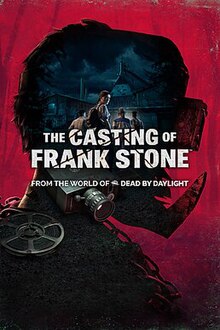
 The Casting of Frank Stone on PS5
 Tormented Souls on PS5
 Daylight on PS4
 The Forest on PS4
 Little Nightmares III on Xbox Series X/S
 The Dark Pictures Anthology: House of Ashes on Xbox Series X/S
 The Dark Pictures Anthology: Little Hope on Xbox Series X/S
 The Dark Pictures Anthology: House of Ashes on PS4










 Another SquareThought Site