

 Jan 2026


Rhythm Heaven Groove arrives as the fifth entry in Nintendo's quirky rhythm series and the first all-new installment in over a decade. Announced during a Nintendo Direct on March 27, 2025 and slated for 2026, it's a modern reboot of the microgame-driven cadence that made the franchise a cult favorite. With series stalwart Tsunku returning as producer and composer (notably working through recovery from laryngeal cancer) and Ko Takeuchi back on art duties, Groove promises a familiar but refreshed design language: series-style microgames presented in a variety of art styles rather than a single unified look. On paper it's a nostalgic treat; on the console it presents a set of technical design challenges and opportunities that any rhythm-head should care about.
At the design core, Groove continues the Rhythm Heaven lineage: short, discrete rhythm games where timing to the beat trumps visual inspection. The Wikipedia source makes the intent clear - visual cues exist, but the player is encouraged to 'follow the beat of the music' - which is a deliberate design decision with meaningful technical ramifications. First, timing windows and input feel are the product's heartbeat. Rhythm games live and die by how generous or strict their hit windows are and how consistent input latency is across controllers and display setups. On the Switch, that means the title needs to account for Joy-Con Bluetooth quirks, Pro Controller polling rates, docked vs handheld display latency, and the variety of modern TVs with variable input lag. Given Nintendo EPD's experience, the safe bet is a calibrated timing window with clear frame-synced audio cues. The series has historically relied on audio-first design, so Groove will likely implement an audio master clock and sample-accurate scheduling of gameplay events rather than tying strictly to render frames - the right architectural choice for cross-display consistency. Second, control schemes matter. The Rhythm Heaven formula is elegantly simple: tap, flick, hold, or press at the right beat. The Switch ecosystem adds complexity: are there touch-based variants in handheld mode? Does the title expose deadzone or sensitivity settings for flicks? The documentation doesn't list explicit control modes, but a technically confident Rhythm Heaven title would map primary inputs to both Joy-Con and Pro Controller seamlessly while offering optional touchscreen shortcuts in handheld to reduce Bluetooth latency dependency. For multiplayer, the game lists both single-player and multiplayer modes; multiplayer rhythm matching invites synchronization challenges. Networked play would demand a client-side prediction model or peer-synced authoritative clock to avoid lag-induced mismatch. If multiplayer is local only, precision is easier to guarantee; if it's online, expect either rollback-style sync or intentionally wider timing windows to preserve fairness. Third, the microgame structure implies a large heterogeneity of mechanics. That diversity is fun design-wise but technically heavy: each minigame must be lightweight to avoid load hitches between rapid transitions, and the engine must support multiple small subsystems for collision/timing detection, audio hooks, and animation transitions. The reveal trailer reportedly showed a robotic narrator and multiple minigame styles - that variety argues for a modular architecture where each minigame is effectively a small scene with shared rhythm managers and a common scoring/timing API. This is the most scalable approach and what I'd expect from an EPD/TNX collaboration. Audio is the other massively consequential technical pillar. Tsunku's return as composer, working without his natural singing voice, is a poignant production detail that also signals a continuity of musical identity. Rhythm Heaven's gameplay relies on crisp transient sounds and punchy percussion to give players tactile timing feedback. From an audio-engine standpoint, Groove should employ low-latency audio paths, prioritized DSP for critical hit sounds, and master-side mixing that keeps timing cues front-and-center even when background layers swell. Expect use of per-track gating and sample preloading to prevent audible glitches when scenes swap rapidly. Finally, feedback and difficulty tuning define the tactile experience. The franchise has always balanced "seemingly easy, secretly strict" difficulty, and the presence of visual cues suggests an accessibility overlay for players who need more guidance. On the technical side that translates to options: visual beat metronomes, adjustable timing windows, and perhaps a calibration screen to offset display lag. If Groove includes such features, it'll go a long way toward making the otherwise punishing precision of rhythm gaming approachable across the gamut of home setups. In short, Rhythm Heaven Groove's gameplay proposition sounds mechanically conservative but technically sound: microgame variety, audio-first timing, and cross-mode controller mapping. The execution will hinge on how the team addresses latency, input consistency, and the architecture for rapidly switching between stylistically disparate mini-scenes.
The trailer's use of multiple art styles - explicitly called out in the announcement - is an interesting technical choice. Rather than committing to a single visual engine, the team seems to be embracing stylistic heterogeneity. That's artistically liberating, but technically it can be a memory and draw-call headache if not handled carefully. A practical pipeline would standardize core shaders, lighting rigs, and sprite atlasing while allowing distinct assets and palettes for each minigame. Ko Takeuchi returning as lead artist implies a coherent visual direction even across varied styles; his role likely involved defining a minimal set of rendering templates so each minigame can look distinct without forcing the engine to reconfigure at runtime. Performance matters more for rhythm games than it does for some genres. Frame stability is critical; jitter in animations can warp perceived timing. On Switch hardware, the safe, expected target is 60 fps in handheld and docked modes where possible, with dynamic quality scaling only to prevent frame drops during particularly elaborate minigames. The series' aesthetic leans toward stylized 2D/2.5D scenes, which helps keep polygon budgets low and lets the team focus on crisp animation and timing-aligned visual feedback - the real priorities. If Nintendo sticks to that formula, Groove should present consistent frame pacing and sharply synchronized audio-visual cues, which is exactly what players need to trust their ears and thumbs.
Rhythm Heaven Groove looks like a technically conscientious evolution of a beloved formula. The public details point toward audio-first design and modular minigame architecture - both the correct choices for a rhythm game launching on the Switch's varied hardware ecosystem. Tsunku's involvement as composer/producer and Ko Takeuchi's art direction promise continuity in tone even as the game experiments with multiple visual styles and expanded localization for regions like Taiwan, Hong Kong, and new language tracks. My 8.5/10 score is a provisional nod to the promise on paper: if Nintendo EPD and TNX nail input latency compensation, offer clear calibration and control options, and keep the framerate rock solid, Groove will be the precise, charming rhythm workout the series fans have waited over a decade for. If they skimp on calibration tools or let visual variety introduce timing jitter, even great music and art won't save the most unforgiving part of a rhythm game: the player's sense of timing. For now, Groove is one to watch - technical execution will determine whether it's a sublime groove or a tantalizing beat you can't quite hit.
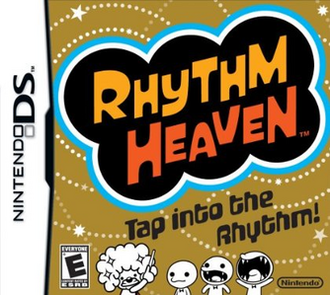 Super Crazy Rhythm Castle on Xbox Series X/S
 Beat City on DS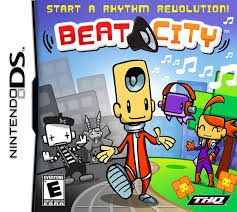
 Mario Kart World on Switch 2
 Ring Fit Adventure on Switch
 Arms on Switch
 Game Builder Garage on Switch
 Big Brain Academy: Brain vs. Brain on Switch










 Another SquareThought Site