

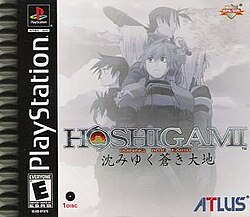

In the grand tapestry of tactical RPGs, Hoshigami: Ruining Blue Earth emerges from the depths of the early 2000s like a forgotten relic. Players are whisked away on an epic journey where you'll form a ragtag mercenary band, battle fiendish foes and possibly have your sanity tested by some of the most punishing mechanics in gaming history. So buckle up, because it's time to explore this gem-or diamond in the rough, depending on how generous you're feeling.
Set in the enchanting yet perilous world of Mardias, Hoshigami introduces players to the charmingly naive protagonist Fazz and an ensemble of characters that could make any teen drama seem tame. Gameplay revolves around guerrilla warfare-turn-based, tactical skirmishes featuring a unique combat engine. Players select locations on the world map, witness awkward dialogues, and then dive into grid-based battles that could make chess-loving grandpas weep with glee. Characters flaunt their skills and engage in skirmishes all while maneuvering around ominous terrain that could be as treacherous as a high school cafeteria during lunchtime. The game introduces the RAP (Rapid Action Point) system, which emphasizes strategic foresight. Characters have limited movements and actions that can be customized based on their available RAP, creating a gameplay flow reminiscent of a martial artist deciding between a roundhouse kick or a gentle tap to the shin. This mechanic is both a boon and curse-quick-minded players will flourish, while others may find themselves lost in strategy-induced chaos. The real kicker comes from the combat features, where 'Coinfeigm' shines like a misplaced disco ball. Imagine if magic existed in coin form, and you had to manage your spending like a college student with a dwindling ramen budget-it's a frantic rush to maximize resources while attempting to nab that sweet elemental magic. What makes Hoshigami unique is its emphasis on character devotion to elemental deities, which influences performance in battle. Balancing divine favor while attempting to keep your characters alive adds an intriguing layer of strategy...or would, if the game didn't have a heart-stopping difficulty curve almost as intimidating as an essay due tomorrow. Every time you lose a character, they're gone for good unless you have a miraculous revival event scheduled. Couple that with the chance of acquiring level-one replacements who need hours of training to catch up, and you might feel that the game is designed by a sadistic math teacher.
Let's talk visuals! Coming from the early 2000s, Hoshigami: Ruining Blue Earth flaunts graphics that are charming, if not a bit dated. Character sprites are colorful, vibrant, and do their best to portray a heroic (or villainous) demeanor, although they could sometimes pass for pixelated stick figures during heated battles. The backgrounds do a commendable job of setting the scene, conjuring images of lush landscapes and enemy fortresses that'll undoubtedly become your second home for the next few days-because once you set forth on this journey, there's no turning back without slamming your controller in frustration. The battle animations can feel a bit sluggish, but they pack just enough flair to make you overlook the slight seconds you spend watching characters move about like marionettes, crippled with choice paralysis. Sound design? Oh, it's there! Expect an intriguing mix of forgettable MIDI tunes that don't exactly scream 'epic adventure,' but get the job done while you spend your nights conquering near-impossible quests.
In the grand assessment of tactical RPGs, Hoshigami has carved out its niche, inviting players to test their mettle against unforgiving battles while juggling a slew of mechanics that could charm or annoy, depending on your playstyle. The charm lies within its rich story and character development, enveloped in a dense web of frustrating difficulty. If you're on the hunt for a tactical RPG that will have you questioning your life choices and swearing eternal revenge on pixelated enemies, Hoshigami: Ruining Blue Earth is your game. However, for the casual player, it might be wise to stock up on patience and perhaps a second controller for when the first one enters the afterlife due to excessive rage. Ultimately, Hoshigami serves as both a beautiful reminder of its era and a harsh lesson in the realities of gaming-sometimes, you need to be prepared to get ruined before you find your way home.
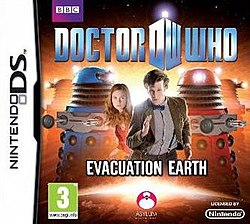
 Doctor Who: Evacuation Earth on DS
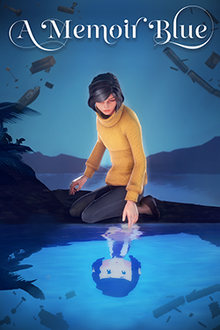
 A Memoir Blue on PS5
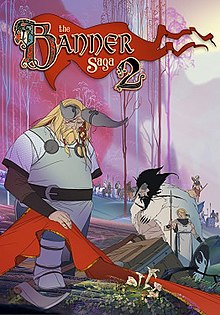
 The Banner Saga 2 on PS4
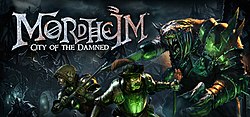
 Mordheim: City of the Damned on Xbox One
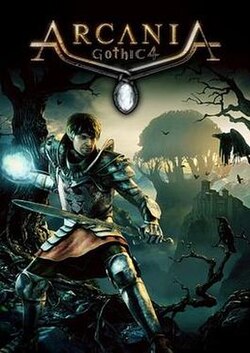
 Arcania: The Complete Tale on PS3
 Disgaea 5 Complete on Switch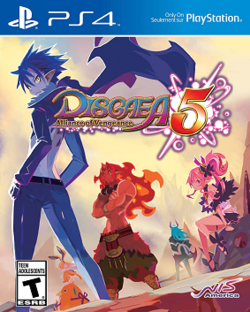












 Another SquareThought Site