


 Apr 1997
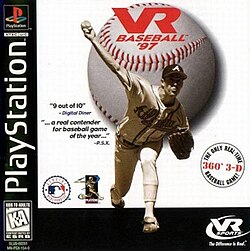

VR Baseball '97 arrives like someone who shows up to the ballpark in a vintage jersey and expects the stadium to be thrilled. It is packed with the usual baseball promises-inning-based structure, batting, pitching, fielding and multiplayer options-crafted by VR Sports and published by Interplay Productions for the original PlayStation. Released in early April 1997 and later ported to Windows, the game trotted into a mixed box score: some outlets gave it respectable marks, others left it stranded on the bench. If you're picking it up because nostalgia whispered '90s polygon baseball' into your ear, know that this is a simulation of baseball that often plays like a slower, jerkier cousin of the real thing. For players who love challenge, however, the experience can be oddly rewarding-but not in the usual 'flashy moves and flashy visuals' way. The challenge here is more like learning to bat in a wind tunnel while squinting through fog: it requires timing, patience, pattern reading, and an acceptance of technical quirks.
At its core VR Baseball '97 is honest about being a baseball game: pitch, hit, run, throw. But the devil lives in the details, and the details are where the skill ceiling reveals itself. Batting is the show's tightrope act. Timing is king-if your timing slips you will either admire a graceful strikeout or watch a bloop fly for a single. Pitch recognition becomes your sixth sense; the game doesn't spoon-feed pitch types like modern titles with slow-motion cues and pitch meters. You learn textures: a fastball's rhythm, the little dip of a curve, the delay before a changeup. Developing that rhythm is the first real skill curve VR Baseball makes you climb. It's not just reacting-it's anticipating, predicting the pitcher's tendencies and adjusting your mental clock. Pitching demands precision and psychology. You aren't merely flicking inputs; you're mixing speeds and locations, hoping the CPU or another human bites. Knowing when to throw a fastball down the middle or nibble at the corners is less about flashy mechanics and more about learned strategy. Reading the batter, learning how AI batters respond to certain sequences, and intentionally setting up counts are worthwhile skills. In multiplayer, the mind games step up-bluffing with off-speed pitches and crushing a surprise heater keep things lively. The game rewards those who can plan three moves ahead and punish button-mashing bravado. Fielding and throwing are deceptively demanding. Camera angles and the sluggish frame rate (more on that later) mean that clean reads on the ball sometimes turn into frantic scoops and hopeful tosses. Anticipation helps: knowing fly-ball tendencies, understanding your fielder's range, and mastering where to throw are all learnable skills that separate the fumblers from the reliable defenders. Decision-making speed is crucial-hold the ball or go for the risky double play? The interface forces you to commit quickly, and those split-second calls can be thrilling when they work and catastrophic when they don't. One of the game's central challenges is pacing. Many reviewers at the time flagged the slow pace of play, and that's not an exaggeration. Innings can drag; animations and transitions take their time; the game rarely rushes. This slow tempo transforms matches into endurance tests that reward focus and routine rather than adrenaline bursts. For the player who gets bored waiting, VR Baseball '97 will feel punishing. For someone who approaches it like a chess match on a baseball diamond, the slow cadence allows for strategic planning between plays and emphasizes skillful execution when the action arrives. Because of technical limitations, adaptability becomes a skill as well. The 'dismal frame rate' some critics mentioned changes how the game feels: timing windows tighten and your perception of incoming pitches can be off-kilter. To succeed you learn to compensate-start your swing fractionally earlier, predict pitch types with greater conviction, and tolerate visual stutter like it's part of the weather. This is not pleasant, but overcoming it gives a strange sense of accomplishment. Multiplayer matches are where VR Baseball shines most brightly because human unpredictability makes the slower tempo less of a hindrance and more of a tactical element. Facing friends, you can exploit tendencies, punish hesitations, and enjoy mind-games that the AI simply doesn't offer.
Graphic expectations must be adjusted to mid-'90s PlayStation reality. Players are blocky, stadiums are sparse, and animation sets are limited, which sometimes makes a diving catch look more like tasteful interpretive pixel art than athletic grace. The problematic frame rate bites into both aesthetics and gameplay; when the framerate dips, the visual cues you depend on for timing stretch and warp. This forces a shift in required skills-rather than relying solely on visual fidelity to cue pitches and reads, you use rhythm, audio cues, and muscle memory. The art direction doesn't attempt realism in the modern sense, so you either accept the retro charm or file it under 'graphics that remind you of dial-up internet and questionable haircuts.' That said, the presentation carries a certain old-school charisma and the UI is straightforward, which helps when you're concentrating on learning the game's subtler challenges.
VR Baseball '97 isn't the knockout slugfest modern fans might expect, but it has a peculiar personality that rewards players willing to learn its rhythms and limitations. The challenge lies less in micro-game mechanics or flashy controls and more in the mental toolbox: timing, pitch recognition, strategy, anticipation, and the patience to work through a sluggish pace and choppy frame rate. Multiplayer lifts the experience-human opponents turn the game's deliberate tempo into a tactical ally rather than a liability. Critics at the time were lukewarm (aggregate scores sat around the high 50s and low 60s), with some outlets praising aspects while others dinged the performance; that mixed reception is a fair reflection. If you're a completionist of retro sports titles or someone who enjoys extracting precision from imperfect systems, you'll find VR Baseball '97 a worthy, sometimes infuriating, but ultimately satisfying practice field for baseball instincts. If you prefer instant gratification, seamless animation, or visual spectacle, this one will test your patience more than your reflexes.
 R.B.I. Baseball 21 on PS4
 Pro Yakyū Spirits 2019 on PS4
 Power Pro Kun Pocket 13 on DS
 Accolade Sports Collection on Xbox Series X/S
 Deca Sports DS on DS
 Alan Hansen's Sports Challenge on PS2










 Another SquareThought Site