

 Sep 2020
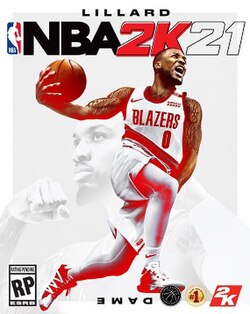

NBA 2K21 on the Switch is like your friend who still shows up to the party wearing last year's sneakers - familiar, competent, and somehow still trying to convince you that those scuffs are 'character.' This is the 22nd entry in the long-running NBA 2K series, developed by Visual Concepts and published by 2K. On paper the game gives you everything a hoops fiend expects: MyCareer, MyTeam card collecting, and the franchise modes (MyLeague/MyGM). In practice, the Switch version is a bit of a mixed bag - a solid baseline basketball sim held back by the usual suspects (microtransactions, a pinch of stagnation, and the inevitable comparison to shinier next-gen versions). If you want to play basketball on the go, it's still the best option available on Switch. If you want the cutting-edge, ray-traced, next-gen basketball cathedral shown in PS5 teasers, you will be disappointed - Switch politely hands you a gym bag instead.
At its core NBA 2K21 still plays like NBA 2K. Passing, cutting, pick-and-rolls and that sweet satisfaction of a perfectly timed three-pointer are all here. The fundamentals are sound: the ball physics, player tendencies, and the defensive AI mostly behave like you'd expect from the series. If you've spent years grinding in 2K, the muscle memory will slot right in. MyCareer returns as a main attraction, letting you craft a custom player and climb the pro ladder. The Neighborhood has been rebranded across platforms as 2K Beach (and The City on next-gen), where you dress your player, get a haircut, and buy boosts and tattoos - because nothing says 'basketball realism' like buying virtual sneakers while waiting for a three-point contest to finish. There are, however, a few caveats that will make the wallet-conscious roll their eyes. MyTeam still leans heavily into card packs and loot boxes; packs are purchasable with Virtual Currency (VC) or MyTeam Points (MT), and the whole system is as addictive as it is monetized. Critics have been blunt about this: microtransactions remain front-and-center, and some modes feel intentionally grindy unless you're willing to pay. MyCareer likewise nudges players toward spending VC to avoid the most tedious parts of progression. The Switch audience gets the same grindy design DNA as other platforms - so if you're planning on building a superstar without spending, prepare to invest time. Mode-wise, if you're into management, MyLeague and MyGM are present, though eighth-generation versions (which include Switch in the same era) received relatively minor changes from previous years. Franchise nuts can still simulate seasons, draft, tweak rosters and tinker with team finances. The Switch release wasn't the focus of next-gen innovation: features like female player creation were locked to next-gen consoles, so Switch owners can't make a WNBA starlet in this entry. The MyCareer progression and cross-gen carryover are also murky - progress may not transfer if you later jump to a next-gen system. Multiplayer and neighborhood activities are there to spice things up. Quests, online 3v3s, and affiliation systems were introduced on next-gen as 'The City' - on Switch you won't get all those bells and whistles the new consoles received, but you can still hang out online, compete, and show off your wardrobe. For players who want portable pickup games and couch co-op, the Switch handles that mission well. For those who want the deepest or freshest sandbox, you'll see the same foundational modes with only superficial tweaks compared to last year. In short: it's basketball, and it's mostly fine. Just expect to spend at least as much time dealing with menus and microtransactions as you do sinking fadeaways.
Graphically, NBA 2K21 is an interesting case. The game proudly teased next-gen effects (ray-tracing, plush shadows and crisp player details) during PS5 reveals, but the Switch version isn't where those visuals live. On Switch you get a scaled-back presentation that keeps the game playable and portable, but with lower-fidelity textures, simplified lighting, and fewer eye-catching visual flourishes. Player models and faces can look decent in motion, but close-ups and arena detail aren't PS5 material. Performance-wise, you'll notice the occasional frame hiccup and longer load times compared to other consoles. That said, when a crossover animation, dunk package, or buzzer-beater lands, the excitement is the same whether the pixels are dressed in a tux or just jeans. If you're playing on the go, the visual compromises are understandable; in docked mode you might squint and miss a lot of the next-gen prettiness, but the gameplay still reads clearly and controls responsively.
NBA 2K21 on Switch is a competent, occasionally charming basketball sim that knows how to put the ball in your hands and let you go to work. It is simultaneously hampered by series-wide problems - microtransaction-heavy progression, minor innovation year-to-year, and some technical compromises on the Switch. Critics largely gave it mixed reviews (Metacritic sits around the high 60s on Switch), while a few outlets appreciated the portability and core gameplay more warmly. If you're new to 2K and want a portable NBA experience, this is the most fully featured option on Switch and will scratch that competitive itch. If you're a veteran looking for a dramatic reinvention or want the flashiest presentation, you'll probably find it underwhelming. Final thought: treat NBA 2K21 on the Switch like your favorite takeout pizza - it's not Michelin-starred, but it tastes great, fills a need, and is best enjoyed in comfortable clothes. Score: 6.9/10.
 NBA 2K21 on Xbox Series X/S
 NBA 2K21 on PS5
 Accolade Sports Collection on Xbox Series X/S
 Deca Sports DS on DS
 Alan Hansen's Sports Challenge on PS2
 EA Sports MMA on PS3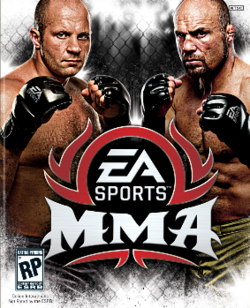
 WWE 2K22 on Xbox Series X/S
 NBA 2K22 on PS5
 WWE 2K23 on PS5
 NBA 2K23 on PS5
 WWE 2K25 on Xbox Series X/S










 Another SquareThought Site