

 Sep 2023
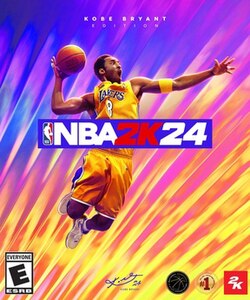

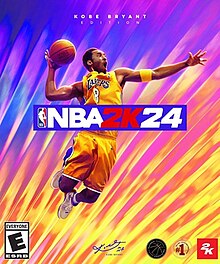
If video games were soap operas, NBA 2K24 would be the season where the whole cast shows up for the reunion episode, half of them look amazing and the rest are arguing about who bought lunch. On Nintendo Switch, NBA 2K24 arrives as the franchise's 25th installment - a title heavy with legacy, cover-star gravitas and a few technological crescendos. The story beats the game wants to sell are obvious: tribute arcs (Kobe Bryant on the Kobe/Black Mamba covers and Mamba Moments), new animation sorcery (ProPLAY), and era-driven nostalgia (the LeBron era and its NBA 2K10-inspired presentation). The conflict, the scandal and the dramatic twist are less cinematic and more transactional: players loved the on-court authenticity but were vocal about microtransactions and platform inconsistencies. On the Switch, that tension reads like a neat little tragedy - great intentions, uneven deliveries and a marketplace subplot that keeps stealing the spotlight.
NBA 2K24 wants to be both an homage to basketball history and a modern simulator that feels like stepping into an actual NBA broadcast. The game's MyNBA mode continues the era-based storytelling introduced in 2K23, and the new "LeBron era" setting transports you back to the 2010-11 season when LeBron James joined forces with Dwyane Wade and Chris Bosh in Miami. That era is presented with a retro-tinged UI and broadcast styling that consciously nods to NBA 2K10, and the result is a curated nostalgia trip: it's like putting on your favorite vintage jersey and discovering it still fits. ProPLAY is the central piece of new tech drama. Instead of relying solely on mocap, 2K24 translates real NBA footage into in-game animations. The stated aim is noble: capture the small signature ticks of players - jumpshots, dribbles, dunks and those little hip-flicks that make a Steph Curry move feel like an identity. This is also the part of the narrative that lets 2K do justice to retired or deceased players, which ties directly into the Mamba Moments sequences that dramatize Kobe Bryant's most cinematic plays. As a character arc, Kobe's inclusion feels like an elegy-less about gameplay advantage and more about mythmaking: a respectful montage of peak moments designed to make long-time fans misty and newcomers say, "Whoa, who was that?" Gameplay-wise, 2K24 still leans into what many critics called an "authentic" on-court experience. Reviews quoted in the source material praised the realism: the shot timing, defense feel and ball physics aim to mirror an NBA broadcast. New dribble moves - over 100 of them - are now easier to access via stick flicks, which flattens the learning curve and gives players who don't live in controller-labyrinths a faster route to flashiness. Takeovers, a long-time mechanic in the franchise, were tweaked so activating them gives more deliberate stat boosts to shooting or finishing, making momentum shifts more tactile and strategic. Now for the antagonist: microtransactions. This subplot swells until it becomes the main event for a lot of players. Critics and customers blasted the market redesign, which allows direct purchase of MyTeam cards and, in many eyes, nudges the experience toward pay-to-win territory. Steam users and wider communities treated the launch like a courtroom drama: the conversation escalated into legal territory with Take-Two Interactive facing a lawsuit tied to microtransaction practices. That controversy colors how you perceive every arc in the game. Even when the on-court play feels cinematic, you're reminded of the real-world economy humming underneath - a recurring reminder that this is entertainment with a cash register. On Switch specifically, the reception was less forgiving. Nintendo Life's Switch review rated the game 5/10, a sign that the platform's version didn't carry the positive gloss that other systems sometimes enjoyed. While the source doesn't detail every Switch-specific shortcoming, the broader narrative shows a pattern: versions on less powerful hardware or on PC without certain new tech were criticized for missing features or animation upgrades that shine on PS5 and Xbox Series X. The Switch just feels like the sibling who dressed up for prom but forgot their shoes. If you want the ProPLAY-captured subtleties to sing, the Switch isn't the stage where those solos are loudest.
NBA 2K24's presentation is playing two simultaneous roles: cinematic tribute and functional scoreboard. The era-based UI changes - like the LeBron-era graphics inspired by 2K10 - are a smart stylistic choice that reinforces the game's anthology approach. Mamba Moments are framed like highlight-reel vignettes, and when the engine is allowed to show off (on higher-end systems), the animations and broadcast overlays genuinely feel like curated storytelling. On Switch, however, the polish is constrained. Nintendo Life's middling score suggests that fidelity takes a hit compared to contemporary consoles. The narrative in the source material highlights that certain versions (notably PC) were missing ProPLAY upgrades - by extension, Switch players should expect compromises in animation fidelity, crowd detail and texture sharpness. Basically, the Switch version looks competent enough to recognize the players and enjoy the match, but it's not the platform where subtle facial ticks or jersey fabric physics earn their moment in the spotlight. If graphics are a character trait, the Switch version is playing the reliable supporting role rather than the lead.
NBA 2K24 is an ambitious season of the long-running franchise: it mixes era-based story beats, respectful tributes to icons like Kobe Bryant, and a serious technical leap in animation ambition with ProPLAY. On the court, the game frequently delivers an authentic NBA-feel that many critics praised. Off the court, however, the economic subplot of microtransactions becomes an intrusive melodrama, one that thankfully isn't solved by a buzzer-beater. For Switch owners the verdict is pragmatic. If you want a portable NBA experience and enjoy replaying classic moments or running a franchise with a retro presentation, 2K24 can still scratch that itch. If you expect the latest animation tech, the crispest graphics or to be unbothered by design decisions that favor monetization, the Switch release isn't the definitive edition. The title's middling reception across outlets and a 5/10 Switch review reflect a game that tries to juggle heritage, innovation and commerce - and drops a few balls while looking stylish doing it. Consider it a drama with memorable scenes and an annoying subplot: watch it for the highlights, but don't let the microtransaction villain steal your jersey.
 WWE 2K24 on PS5
 WWE 2K24 on Xbox Series X/S
 Accolade Sports Collection on Xbox Series X/S
 Deca Sports DS on DS
 Alan Hansen's Sports Challenge on PS2
 EA Sports MMA on PS3










 Another SquareThought Site