

 Jul 2026
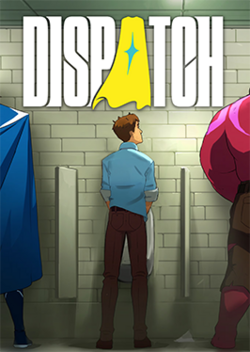

When a game arrives wearing the twin hats of workplace comedy and superhero melodrama, you expect either explosive spectacle or a nine‑to‑five full of memos. Dispatch, AdHoc Studio's episodic experiment, manages to be both: a tidy, eight‑episode animated serial that treats superheroics like office hours and interpersonal politics as the real superpower. Playing Robert Robertson III - once the suit‑clad Mecha Man, now forced to swap his joystick for a headset - the player is signed up as a dispatcher for reformed villains turned heroes. The setup sounds like a late‑night sketch, but Dispatch is not content with punchlines alone. It is an earnest, properly cast narrative effort, bolstered by an ensemble including Aaron Paul, Jeffrey Wright, Laura Bailey and a selection of internet personalities. The game was first serialized on PS5 and PC in late 2025, collected into ports for Switch hardware in early 2026, and the Xbox Series X/S release is the last leg of the rollout. Critics loved the writing and voice work; players loved the characters. I took the call, put on the headset, and listened in.
Dispatch is, at heart, a branching narrative that borrows the language of both point‑and‑click adventures and tactical roster management. Conversations run on dialogue trees that matter: choices nudge relationships, unlock options, and occasionally change the dramatic punctuation in later episodes. The meat of the mechanical design sits in the Superhero Dispatch Network map, a top‑down schematic where crimes and incidents ping like emails. You decide which hero or heroes to assign, weighing stat cards, character traits and cooldowns. The decisions feel like casting editors for a live TV show; a speedster sends rescue timelines spiralling into bootstrap paradoxes, while a pyrotechnic former villain adds combustible flair and public relations headaches. There are minigames, too. Hacking sequences turn into quick‑time navigation challenges - abstract, tense, and deliberately arcade‑adjacent - while certain rescue scenarios play out through timed prompts that call for split decisions instead of perfect button presses. Some reviewers compared the QTEs to an earlier era of action cinema in games; that is apt. They are effective in small doses, but they never pretend to be the main course. What separates Dispatch from the pack is the choreography between interpersonal choices and the dispatching ledger. Cut one member of the Z‑Team to "send a message," and watch the ripple effect in subsequent episodes. Reward trust and an ally may stick a hand out when you're hung up on by Shroud's henchmen. Refuse forgiveness and the story bites back. The narrative offers multiple permutations: there are conditional outcomes for the big scenes, and the game will, at times, refuse to advance a romance if the relationship metrics haven't been earned. That approach made Dispatch feel less like a branching tree and more like a living schedule that remembers your bad memos. Pacing is handled like an indie TV show: episodes are short enough to avoid fatigue but long enough to make choices feel meaningful. Combat, in the traditional sense, is rarely your problem; you are not personally grappling enemies in arcade arenas. Instead, you orchestrate. This is a game about judgment calls - who to send, when to trust, and whether to use your precious Astral Pulse energy for a risky retrieval. For players expecting visceral brawls, the absence of such moments might read as restraint or as missed opportunity. For players who savor character and consequence, Dispatch offers a buffet. There are stumbles. Several outlets noted the lack of hard narrative consequence in places - certain choices have emotional weight but not always the dramatic fallout one might expect. The hacking minigames can feel undercooked; the quick‑time events lack the thrill suggested by the tense writing. Still, on the Xbox Series hardware, with the HR Violations update integrated, the game presents its full intended package: all episodes, all relationship tuning, and the option toggles for sensitive content. In short: not the headiest simulation you could imagine, but a workmanlike, often witty interactive drama with enough mechanical threads to keep the tacticians entertained.
AdHoc Studio's move away from initial live‑action plans to a fully animated presentation paid dividends. Built in Unreal Engine 4, Dispatch favors a cel‑shaded aesthetic that reads like a mature Saturday morning cartoon for adults who remember real Saturday mornings - the kind that came with cereal stains and parental skepticism. The animation is clean, character designs are expressive without being caricatured, and the cinematography leans into TV‑style staging: closeups that linger, smart use of sound cues, and panels that feel edited like an episode of a well‑written drama. Voice acting is the game's headline act. Aaron Paul carries Robert with layered, often rueful line readings; Jeffrey Wright brings gravitas to Chase; Laura Bailey's Invisigal shifts from prickly to vulnerable in a way that earns her awards nominations. The supporting cast - a mix of seasoned actors and content creators - mostly hits the mark, giving Dispatch a cast synergy rarely seen outside of high‑budget television. The audio work is notable enough that the title collected nominations and wins in the awards season for audio achievement. On Xbox Series X/S the title ought to run smoothly, with the animation and lip sync polished and the frame pacing consistent. If you prize visual fidelity above all, Dispatch won't challenge the latest AAA engines on shader counts and ray tracing bells, but its design choice is deliberate: a stylized world that supports storytelling rather than distracting from it. The result is a distinctive, memorable look that stands out in a sea of photoreal ambition.
Dispatch is a rare indie that behaves like a small television event: smartly cast, memorably written, and quietly ambitious. It is not a combat simulator, nor does it pretend to be. Instead, it invites you into a bureaucracy of superheroes, where dispatching the right person at the right time is the tiny miracle that keeps a city from falling apart. The game's equal parts humor and solemnity make it feel modern and slightly old‑school at once - a mature cartoon with the narrative depth of the best adventure games of the 1990s and the production polish of contemporary indie cinema. There are compromises. Interactivity sometimes yields to scripted beauty, quick‑time sequences can underdeliver, and some narrative consequences could have been deeper. Controversies around censored Switch ports dominated late‑cycle conversation, though the studio's HR Violations update and the promise of an uncensored Xbox release addressed much of the uproar. Commercially and critically, Dispatch has done very well: millions of copies sold, awards attention, and, perhaps most importantly, a cast of characters worth revisiting. If you like narrative games that feel like your favorite serialized TV show and you want to be rewarded for making careful, occasionally stingy choices about people, buy Dispatch on Xbox Series X/S. If you assumed the work would be a fistfight from start to finish, temper expectations and embrace its strengths: the writing, the voices, and the small, satisfying mechanics that make the city tick. In the age of spectacle, Dispatch makes a quiet argument - sometimes the real heroics are the paperwork you get right.
 Dispatch on PS5
 Die Hard Trilogy on PlayStation
 Tintin: Destination Adventure on PlayStation
 One Piece Grand Adventure on PS2
 The Princess and the Frog on DS
 Spirit: Lucky's Big Adventure on PS4
 The Wolf Among Us 2 on Xbox Series X/S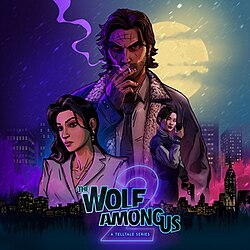










 Another SquareThought Site