



Densha de Go! Ryojouhen is the version of the long-running Japanese train simulation series that decided it would be fun to swap intimidating express trains for vehicles you could theoretically drive through a mall food court without anyone noticing. Released in 2000 for arcades, PC and ported to PlayStation 2, Ryojouhen focuses on trams and light rail: the gentle, scenic cousins of the blustering commuter behemoths that populate the rest of the franchise. If you have ever wanted to shepherd a tiny tram through narrow city streets, announce stops in a calm, slightly bored voice, and worry about which side the doors open on like a civilized person, this is your game. The title sits in the broader Densha de Go! family tree as the one that lightened the discipline without losing the charm. The series made its name by demanding surgical precision - stop within 30 cm of a mark and not a hair earlier or later - but Ryojouhen relaxes the chokehold on your soul. It's still a simulation, which means you will be judged, but the judgement is kinder and often more theatrical: press the bell, make the announcement, open the right doors, and the tram will probably forgive you for that one time you slightly exceeded the speed limit while someone tied a shoelace on the platform.
Gameplay in Ryojouhen is built around routes scavenged from real-life Japanese tram and light-rail lines. The roster includes the Iyotetsu Matsuyama City Line, Enoden, the Randen Arashiyama and Kitano Lines, and even the Hakodate City Tram. That is to say: these are compact lines, packed with quaint stations, tight curves, and the sort of urban scenery that makes you think about postcards and ramen shops. The objectives are also compact: keep to a timetable (loosely), obey speed limits, hit intermediate waypoints, make announcements, and open doors on the correct side. The game will not let you forget which way the platform sits. The controls on PS2 are approachable. You can play with a normal DualShock if you enjoy the mild absurdity of steering a tram with a pair of face buttons, or you can plug in one of the lovingly over-engineered Densha de Go controllers if you insist on authenticity. The game will accommodate your preference: turn the lever, feather the brakes, and watch a tiny speedometer nod like an approving but stoic supervisor. One delightful feature unique to this entry is the conductor-like responsibility beyond basic driving: making station announcements and manually opening doors. It adds a domestic drama to each run - you become part driver, part host, part person who makes sure nobody has left a bicycle wedged in the doors. Difficulty-wise, Ryojouhen is merciful compared to the series' unforgiving early outings. Where classic Densha de Go demanded memorization worthy of medieval scholars, Ryojouhen hands you a comfy armchair and a cup of tea. Continues are plentiful, penalties for minor errors are gentle, and timetables can largely be treated as polite suggestions during your first dozen plays. That said, the game still rewards precision. There are unlockables - certain tram variants and liveries require clean runs - so if you treat the game like a meditative practice you will be rewarded. The charm largely comes from the pace: routes are slower, stops are frequent, and the game invites you to enjoy the city unfolding outside the cab window instead of punishing you for missing a 0.5 second speed change. The balance between realism and accessibility is handled with surprising skill. Where some simulators tilt so far into realism they become calculators with scenery, Ryojouhen knows when to be realistic and when to be theatrical. For instance, signaling and posted speed limits matter, but you get a little breathing room; announcements are expected to be legible rather than Oscar-worthy; and the door system forces attention without inducing panic. If you mess up badly enough, you can still receive a game over - the simulation retains teeth - but most sessions end in either a solid 'pass' or a slightly embarrassed 'try again.' One unintended side effect is the game's social personality: it makes you feel like a commuter whose job is only slightly more dignified than owning a successful cactus. There's satisfaction in nailing a perfect stop, in the hush that follows a well-timed announcement, and in seeing passengers disembark exactly where they are supposed to. For anyone who enjoys methodical tasks presented with an absence of melodrama, Ryojouhen is a surprisingly soothing experience.
Graphically, Ryojouhen fits squarely into the era's '3D-with-heart' aesthetic. Densha de Go! has always used computer-drawn graphics rather than full-motion video, and by the time you reach the PS2 era the engine had improved noticeably over earlier PlayStation outings. Trams and stations are modeled with functional fidelity rather than photoreal obsession: textures are occasionally plastic, shadows are polite, and crowds behave like politely animated mannequins. This is not a game you play for eye candy; it's the sort of place where the scenery does its job and quietly steps back. Cab view and external view are both present, and the cab is useful rather than decorative. Gauges, levers, and displays convey the necessary information and occasionally a nugget of personality. Outside, the world scrolls by with a pleasant consistency. The game doesn't pretend to be a documentary - you won't mistake it for modern urban photography - but the visuals are clean, easy to read, and entirely serviceable for the needs of a tram operator. A little bit of charm comes from the lovingly rendered local touches: station signs, tiny shops, and the odd landmark that reminds you this is a game about places people actually live in. Performance on PS2 is mostly stable. There are no dramatic frame-rate drops and camera transitions are handled without causing vertigo. Given the narrower routes Ryojouhen models compared to full-length intercity lines, the engine keeps up with the action and rarely distracts from the main show: you doing your job with as much quiet dignity as the game allows.
Densha de Go! Ryojouhen is a gentle, well-turned chapter in a series famous for its exacting standards. It trades the spine-tingling strictness of other entries for a more relaxed pace without losing the satisfying precision that makes a perfect stop so oddly rewarding. The PS2 version is accessible, attractive enough, and generous with continues, making it a perfect recommendation for curious players who want a simulation that behaves more like a pleasant day at work and less like a mechanical final boss. It helps if you already have at least a passing interest in trains, trams, or the idea of being responsible for a small metallic moving room full of strangers. It also helps if you enjoy games that ask for focus without screaming at you. If you want to master the minutiae, the game gives you unlockables and score to chase; if you want to unwind, the slower pace and charming routes will do the job. For a PS2-era niche import, Ryojouhen is both an excellent introduction to the franchise and a solid stand-alone experience. Take it slow, make the announcements with calm conviction, and enjoy the tiny victories of door-side correctness. Score: 7.5/10.
 Densha de Go! Shinkansen: Sanyou Shinkansen-hen on PS2
 Densha de Go! 3 Tsuukinhen on PS2
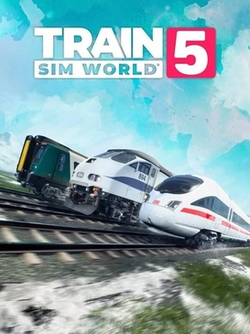
 Train Sim World 5 on PS5
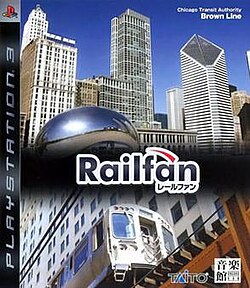
 Railfan: Chicago Transit Authority Brown Line on PS3
 Railfan: Taiwan High Speed Rail on PS3
 Densha de Go! Professional 2 on PS2
 Densha de Go! on PlayStation
 G-Darius on PlayStation
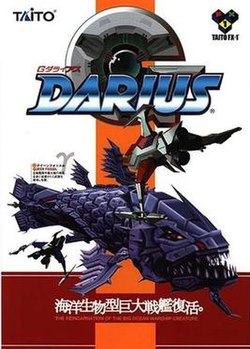 Darius Gaiden on PlayStation












 Another SquareThought Site