

 Oct 2009
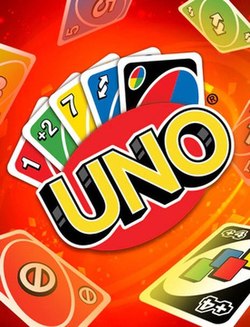

There are few things as universally infuriating and oddly satisfying as slamming down a Draw Four at the perfect moment and watching your cousin cry into a pile of extra cards. Uno on PS3 is the digital equivalent of that exact feeling, only cleaner, less snack-strewn, and blessedly without someone accusing you of cheating because you 'totally had a blue 7 at the start of the round.' Gameloft brought Uno to the PS3 on October 1, 2009, packaging the classic family-tabletop chaos into a console-friendly experience. If you already know the physical rules - match colors or numbers, yell 'Uno' before you're down to one card, hope the deck gods favor you - then this game is largely here to do one thing: make that ritual more polished, more animated, and slightly less likely to involve a tabletop brawl. This PS3 version is honest about its mission. It doesn't try to reinvent the wheel with RPG progression or vehicular combat. Instead, it digitizes Uno's familiar ruleset and sprinkles in a few video-gamey comforts: selectable themes, some neat extras available in other versions of the game, and the convenience of playing without the sticky-handed paper cutlery that is often associated with living-room board games. If you want a faithful adaptation with a smidge of console polish and the ability to crush your friends without having to shuffle, this Uno will do nicely.
Playing Uno on PS3 feels like slipping into a well-worn hoodie: comfortable, dependable, and slightly more forgiving of bad life choices. The core rules mirror the official physical game - match color or number, action cards skew the flow, and the drama is entirely human (or AI) generated. Gameloft's adaptation keeps the tension tight and the tempo quick; a single misplay can swing the match, and a well-timed Reverse or Wild Draw Four produces the same dramatic sighs and celebratory chest bumps that a real-table Uno night does. The game is faithful to the basics but also borrows the sensible extras that have shown up in other digital Uno outings. For example, different Uno releases have offered multiple modes such as Standard play, Partner play (where teammates sit across from each other and share victory), and House Rules variants that let you tweak how wild the game gets. On some platforms and iterations, house rules let players stack Draw Twos, trade hands on certain plays, or even introduce a Jump-In mechanic that allows simultaneous play when an identical card appears. While those specific features vary across ports and later remasters, the PS3 release keeps the spirit of these options alive by being amenable to the kind of flexible house rules players enjoy. If you like playing with custom rules you argued into existence after two drinks and a heated debate about the sanctity of the Wild card, the digital Uno respects that chaotic freedom. Multiplayer is where Uno truly shines on consoles, and even the Gameloft ports understand this. Whether you're up against local pals or bots programmed to be just clever enough to thieve victory, the joy of watching an opponent draw five cards thanks to you is pure gold. The PS3 version inherits Uno's multiplayer DNA: casual drop-in/drop-out play, AI stepping in like a polite, judgmental friend if someone bails, and the capacity for delightful spite. The AI is serviceable; it's not going to pass the Turing test, but it will nudge you into strategic decisions you didn't know you enjoyed making. Bot opponents tend to play by the book, so you'll be facing more predictable behavior than a human group, but they do a decent job of simulating the ebb and flow of a real match. The game also benefits from the digital conveniences you didn't know you needed. Shuffling is instant, scorekeeping is automatic, and there's no risk of losing a rule card under the couch just when someone insists that there was, in fact, a 'house rule about sevens.' Theme decks appear across various Uno releases as downloadable content, dressing the cards in different skins and adding small rule tweaks or sound effects. Decks in other versions have ranged from anniversary-themed nostalgia packs to bizarre collaborations (yes, there's a fighting-game themed Uno with a 'Hadouken' card), and though Gameloft's PS3 release keeps the focus on gameplay, the presence of themed visuals in the Uno family shows how easily the game can be made to look and sound different while remaining fundamentally Uno. There is also a career-ish mode in some mobile and handheld versions, the kind that teaches and escalates rules as you progress. While the PS3 port doesn't pad the experience with single-player grinding or ersatz storylines, it does offer enough modes and matchmaking variety to keep a casual player coming back. If you're expecting unlockable loot boxes or a deep progression system, you're in the wrong card game. This Uno is pure pick-up-and-play: enter a table, play smart, curse the deck, yell Uno, win or lose, rinse and repeat. Controls are simple - bless them - because Uno is just a set of choices boiled down to 'play this or draw that.' The interface is clear and readable on a TV, the prompts keep you from accidentally playing an illegal card, and the visual feedback for action cards is satisfyingly dramatic without crossing into the realm of unskippable cutscenes. The pacing rewards attention; a couple of misclicks will cost you, but the fault rarely lies with sluggish controls. If you like your digital tabletop games to behave more like a friendly referee than a petty dictator, this version does the job. Where the PS3 Uno sometimes stumbles is in the social texture. Nothing digital can perfectly replicate the snide remarks, priceless expressions, and physical card slams of an in-person Uno night. Voice chat options and online play improve this, but they can't deliver the same visceral satisfaction as watching someone pocket your only playable card and act surprised. That loss is by design, not by mistake - it's the tradeoff for convenience, matchmaking, and a chaos-free living room. Also, some later Uno releases expanded the house-rule library in ways that electrify gameplay; depending on the exact build of the PS3 version you own, you might find fewer of these extra twists baked in compared to newer remasters. Still, if your aim is a faithful, muscle-memory-friendly Uno that keeps the core fun intact, it hits the target.
Graphically, Uno on PS3 isn't trying to win awards for photorealism - because, let's be honest, printing high-definition yellows on rectangles is a niche art form. Instead, the presentation is polished and friendly. Cards are crisp, symbols are readable from across the sofa, and the table backgrounds are tasteful enough not to cause a seizure mid-Draw-Four salvo. Across the Uno family, there have been theme decks that dramatically change visual flair, from festive winter backdrops to licensed crossovers that slap characters onto cards for fans of other franchises. The PS3 version keeps things straightforward: clean UX, legible cards, and fun sound cues that punctuate the key moments - like the satisfying thud of playing a Skip or the tiny trumpet fanfare when you win a round. Animation is used sparingly and effectively. You get just enough flair to feel rewarded for cunning plays, without being forced to watch a 10-second animation every time someone discards a two. The art direction favors clarity over flash, which is exactly what you want in a game that lives or dies by split-second choices. Performance on PS3 is stable; the game focuses on being responsive rather than pretty, and for a card game that's the right call. If you want eye candy, there are other Uno versions and DLC decks that lean harder into themed audio-visuals, but the base PS3 experience gives you a neat, easy-on-the-eyes table that does its job without drama.
Uno on PS3 is not the kind of game that reinvents anything. It doesn't need to. Its job is to be a faithful, enjoyable, and reliable digital version of the much-loved card game, and in that it succeeds. With straightforward controls, accessible rules, respectable AI, and the capacity for the kind of social skulduggery that makes Uno nights memorable, it offers exactly what fans want: quick, repeatable rounds of pure, incorrigible spite. The presentation is clean, the gameplay is intact, and the DLC/theme-deck culture across Uno releases shows that there are plenty of ways to spice things up if you want more visual variety. If you treat this Uno like dinner-party insurance - a safe, low-friction way to get everyone arguing about whether stacking is a crime against nature - you'll be very happy. If you want a deep single-player campaign or the emotional resonance of real-world card-slamming, you might feel a twinge of nostalgia for the physical game. For what it is, though - a faithful console conversion that respects the chaos and keeps the core fun front-and-center - this PS3 Uno is a solid pick. Hand it to friends, set a revenge-fuelled house rule, and enjoy the tiny, thrilling cruelty that only Uno can provide. Score: 7.5 out of 10 - because sometimes the best victory is the one that leaves everyone laughing and plotting rematch strategies five minutes later.
 Accolade Sports Collection on Switch
 The Amazing American Circus on Switch
 Coloball 2002 on PS2
 Press Your Luck on PS3
 Game Dev Story on PS4
 Mom Hid My Game! on Switch
 Disney Dreamlight Valley on PS5
 Asphalt Legends Unite on Switch
 Disney Dreamlight Valley on Switch
 Asphalt Legends Unite on PS5
 Disney Dreamlight Valley on PS4










 Another SquareThought Site