

 Mar 2014
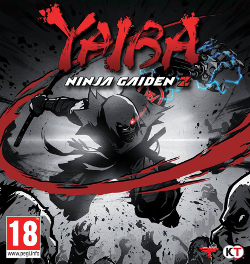

In the halcyon days of the 1990s a Ninja Gaiden title arriving on your favourite console meant tight controls, lethal difficulty and an uncompromising reverence for the blade. Yaiba: Ninja Gaiden Z arrives some two decades later with the pedigree of a proud series on its sleeve and the temperament of a comic-book fever dream in its veins. Conceptualized by Keiji Inafune and developed by Spark Unlimited, this spin-off tries to graft a gonzo, zombified noir onto the classic Ryu Hayabusa mythos and ends up somewhere between ambitious and bewildering. It is, if nothing else, an audacious detour: a cyborg anti-hero named Yaiba, resurrected by a shadowy Forge Industries, stalking an urban apocalypse and seeking revenge on Ryu. That premise promises attitude. What the game actually delivers is an uneven mix of comic-book flourishes, clumsy combat and level design that often feels like a missed punchline.
Yaiba: Ninja Gaiden Z wears the hack-and-slash label like a stained bandana. It is a third-person action game that gives you the same basic verbs veteran players expect: run, jump, block and swing your blade. There is a score multiplier to reward chaining hits, and the series staple 'Ultimate Technique' finds an echo in a new Bloodlust mode, which temporarily turns Yaiba into a whirlwind of slaughter that makes short work of clustered foes. Those are the good intentions. The execution, as many reviewers noted, is less persuasive. Combat aims for rhythmic hacking but too often settles for rote encounters. Enemies frequently appear in waves that demand the same evasions and repeated button patterns rather than nuanced choreography. Where classic Ninja Gaiden offered a sense of learning a lethal dialect of movement, Yaiba sometimes feels like memorizing a small set of slashes and waiting for the animation to finish. Puzzles and environmental bits show up but are undercooked; they interrupt flow without providing satisfying mental beats. Difficulty is a recurring complaint in contemporary write-ups - this is not the deliberately punishing, elegant challenge of older titles but a brittle, uneven hardness that feels arbitrary rather than rewarding. The game leans heavily on the showy: Bloodlust sequences, grotesque zombie enemies and comic-style interstitials that try to keep the tone brisk and self-aware. That tone is often the game's best defense. Yaiba himself - a mutilated, mechanized ninja with attitude supplied by Keiji Inafune's concept - is an amusing lead on paper, and the supporting figure of Miss Monday introduces comic-relief banter. Forge Industries and antagonist Alrico del Gonzo provide a pulpy through-line: resurrection, corporate malfeasance, Aztec-underworld portals and final transformations. In practice the narrative beats can feel like panels in a rushed comic: striking in thumbnail but lacking the glue to hold them together as a cohesive whole. There are moments where the design catches fire; a properly staged Bloodlust rush or a set-piece that uses verticality and enemy variety can briefly recall the thrill of older genre classics. Those moments, however, are infrequent enough to make the player notice their absence more than their presence. Multiple outlets flagged repetition, level design and combat unpolish as the game's primary failings, and the aggregate view - middling at best on Xbox 360 and decidedly unfavourable on PS3 and PC - tracks with that assessment. A handful of reviewers and a notably high Famitsu score in Japan suggest some listeners may find the comedic spin and brisk run-time more forgiving than western critics did, but the wider critical consensus was not kind.
The visual presentation and artistic trappings of Yaiba aim for comic-book flair. Canadian artist James Stokoe contributed art, and the game was promoted with bold, loud imagery meant to compliment the over-the-top tone. Those design choices are not without merit: the concept of a cartoonishly violent world in which corporate laboratories and Aztec-style portals collide is distinct and often entertaining on a still-shot level. If presentation is half the battle, the other half is engineering, and here the game shows strain. Several critics described the graphics as off-putting - even 'graphically abhorrent' in one of the harsher write-ups - and there is a sense that style sometimes tried to disguise technical limitations. Environments and encounters can appear flat, with inconsistent quality between striking art pieces and the actual in-game scenes players spend hours traversing. On modern displays, texture work, lighting and animation do not always match the punchy promise of the game's concept. Fans of comic-inspired art may appreciate the attempts at visual identity, but many players and reviewers found the final package uneven: an aesthetic bravado hamstrung by middling execution. Those who respond to a cartooned, blood-splattered palette and can forgive the mechanical rough edges will find things to admire. Others, expecting tight presentation and the buttery animation of a top-tier action title, will be disappointed. The discrepancy in reception - from Famitsu's surprisingly generous marks to scathing western critiques - seems rooted largely in whether a reviewer prioritizes the game's stylistic conceit over its nuts-and-bolts shortcomings.
A 1990s reader of this magazine might be told to judge Yaiba: Ninja Gaiden Z by two measures: intent and finish. On intent it is brazen and unapologetically eccentric. It dares to retool one of Tecmo's staunchest properties into a zombified, comic-book sideshow and hires industry names to lend it personality. On finish it is sloppy and frequently unsatisfying. Combat lacks the crisp conviction of the franchise's best moments, level design too often becomes a loop of repetitive encounters, and the technical presentation struggles to maintain the aesthetic's promise. There is a kernel of fun here - a charismatic protagonist, an occasionally effective Bloodlust mode, and some bold visual ideas - but they are not enough to paper over the game's many flaws. Critics were harsh for reasons that matter: unpolished combat, repetitive structure and design choices that do not cohere into a memorable gameplay experience. If you prize franchise pedigree and relish oddball experiments, Yaiba is an intriguing curiosity to sample; if you expect a polished Ninja Gaiden-calibre action outing, you may feel short-changed. This is a title that wanted to be a loud comic-book interlude and occasionally succeeds, but more often it reads like a draft with great illustrations. For the record of these pages: interesting concept, messy realization - bumper sticker ambition, mid-level execution. Score: 4 out of 10.
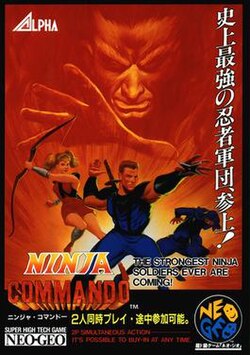
 ACA Neo Geo: Ninja Commando on Xbox One
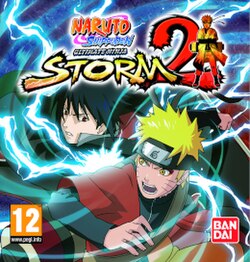
 Naruto Shippuden: Ultimate Ninja Storm 2 on PS4
 PlayStation Home on PS3
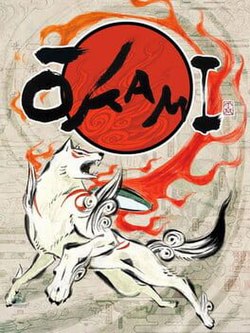
 Ōkami on PS2
 Gaelic Football '25 on Xbox Series X/S
 Unearthed: Trail of Ibn Battuta on PS3
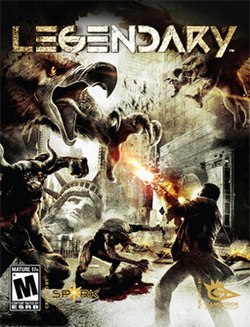
 Legendary on PS3
 Turning Point: Fall of Liberty on PS3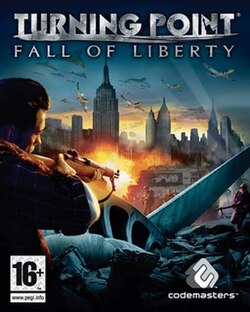










 Another SquareThought Site