

 Nov 2018


If you leafed through the printed pages of a 1990s gaming magazine and found a column titled "Hardcore Platformers and Why Your Reflexes Matter," Runner3 would be the sort of game that earned a two-page spread, a stern headline and at least one dramatic screenshot of a pixel-perfect leap. Choice Provisions' latest entry in the Bit.Trip family arrives on PS4 with a confident grin and a metronome strapped to its back: this is an auto-runner that wants you to feel like a percussionist with thumbs. CommanderVideo, the franchise's stick-figure hero who has been through enough chiptune therapy to start his own band, races forward automatically and forces you to dance with danger. This is not an exercise in nostalgia alone. Runner3 has pedigree - the DNA of its predecessors is intact - but it also wears a few new toys on its sleeve: double jumps, rideable vehicles, and branching side paths that reward exploration. The game is unabashedly single-player, rhythm-focused and designed to be approachable on multiple difficulty levels. If you remember the 1990s reviewer's obsession with balance between challenge and fairness, Choice Provisions has heard the memo: modes are graduated, the music is the spine of the experience, and the game nudges you toward feeling competent rather than crushed. That said, there are moments where the presentation feels like a late-era CD-ROM trying to look modern - charming in spirit, slightly uneven in polish.
The mechanical core of Runner3 is delightfully simple and stubbornly precise, which is exactly what a rhythm platformer should be. CommanderVideo sprints forward without your permission; your job is to jump, slide and kick in time with the beat to avoid spikes, pitfalls and the occasional culinary hazard. The controls are straightforward, which is a blessing when the soundtrack hands you split-second timing puzzles. Collectibles are scattered through each level: gold bars pad your score like the spare quarters in an arcade cabinet, while Mode-Ups change the musical intensity. Longtime fans will appreciate that the five modes - Hyper, Mega, Super, Ultra and Extra - return from previous entries. Mode-Ups appear here as blue boomboxes rather than the red 3D plusses of yore, and they remain the reliable little dopamine dispensers of the series. Runner3 expands the formula with a few additions that actually alter how you approach a stage. You can double jump now, which makes the game feel less like a metronome and more like a freeform drum solo at times; rideable vehicles insert short sections that change pacing, and branching side paths - taken by simply tilting left or right - create small, meaningful choices. The most interesting additions are Gems, hidden on alternate, more dangerous routes. Gems are single-use collectible unlocks that encourage replay and exploration: snag them to unlock cosmetics, and prepare to run levels multiple times if completionism gives you the shakes. Hero Quests are a welcome bit of role-playing under the skin: CommanderVideo pauses to converse with NPCs, performs fetch tasks, and unlocks playable guest characters as rewards. These include cameos like Shovel Knight and Eddie Riggs, and a playful, playable Narrator modeled on Charles Martinet. There is an old-school pride to these unlocks - they're clever and earned rather than handed out like participation trophies. The game is structured into 27 main levels spread across three themed worlds - Foodland, Spookyland and Machineland - each with many branching routes and secrets. For players seeking something more like a classic platformer, Runner3 includes "retro challenges": smaller stages where you control CommanderVideo more deliberately (full movement control replaces the auto-runner template) and hunt for five Gildan Coins to trade for cosmetics. It's a nice nod to the 8-bit and 16-bit era, when developers often tucked entire mini-games or modes into their cartridges. Balance is something the developers worked on explicitly. Alex Neuse and his team emphasized creating an enjoyable experience for all skill levels rather than punishing those who prefer a lower difficulty. Post-release, Choice Provisions committed to further tweaks - more checkpoints, enemy density adjustments, stair assist and a bonk counter among them - which shows both humility and an eagerness to listen. The net effect is a game that rarely feels unfair, even when it's asking for near-perfect timing. The learning curve rewards rhythmic instinct and pattern recognition, and once you find the groove Runner3 can be a genuinely euphoric ride.
Runner3's visual style is a mixed bag, and that's where the 1990s critic in me reaches for metaphors involving glossy magazine scans and pushy advertising claims. The artwork is quirky and often charming: levels are populated with bright colors, expressive set pieces and background gags that invite a second or third playthrough just to look around. Character animations are snappy, and the cameo characters are handled with affectionate detail. The interface and HUD are clear, avoiding the clutter that can plague rhythm games with too many onscreen indicators. Where Runner3 shades less flattering is in the consistency of its presentation. Some reviewers have called the graphics "outdated," and there's truth in that assessment if you measure it against contemporary graphical ambitions. The game is working with Unity and channels a cartoonish, deliberately stylized aesthetic rather than photoreal polish. For players who wanted a show-stopping visual overhaul from Runner2, Runner3 may look conservative. The environments are functional and often inventive, but there are moments where the backgrounds feel like they belong to different design meetings. Still, presentation serves the gameplay first, and the clarity of obstacles and collectibles - vital to a rhythm platformer - is never sacrificed. The soundtrack, by Matthew Harwood and Stemage, is the visual equal of the game's pulse: it commands the action and often elevates the simpler artwork into genuine atmosphere.
Runner3 is a game that will please rhythm aficionados and platform purists in roughly equal measure. It knows what it wants to be: a tight, music-driven auto-runner with a generous heart and an eye for playful surprises. The additions - double jump, vehicles, side-path gems and Hero Quests - deepen replayability without betraying the series' DNA. Critics who gripe about repetition are not wrong: some levels can feel derivative once you've internalized their beats, and the visual palette won't humble a PS4 with its ambition. Still, the game's careful difficulty curve, thoughtful post-launch support and the sheer glee of nailing a long, syncopated sequence make Runner3 worth a rental or purchase for fans of the genre. If you grew up sending in a score to a magazine hotline or debating which platformer had the best soundtrack, Runner3 is the sort of title that will make you smile and tap the side of your head like you're keeping time. It's not flawless, and it occasionally wears its indie constraints on its sleeve, but it's earnest, polished in the places that count, and surprisingly generous with secrets. For those seeking a modern auto-runner with a pulse, Runner3 hums along at a satisfying tempo.
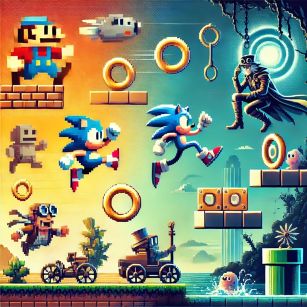
 The Wacky History of Platform Games
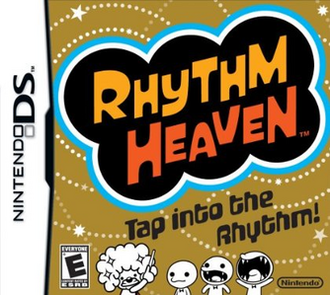
 Rhythm Heaven on DS
 Taiko no Tatsujin: Don to Katsu no Jikū Daibōken on Switch
 Roblox on PS4
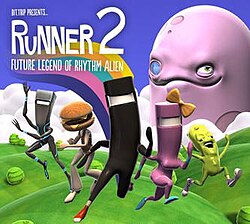 Bit.Trip on PS4
 Bit.Trip Flux on Switch
 Hextech Mayhem: A League of Legends Story on Switch
 Bubsy: Paws on Fire! on PS4










 Another SquareThought Site