

 Sep 2023
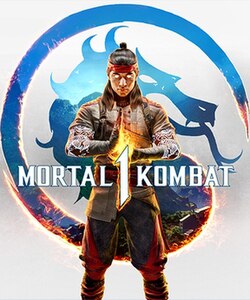

Mortal Kombat 1 is a weirdly earnest blockbuster: equal parts soap-opera multiverse drama, blood-splattered kung-fu choreography, and a relentless filing system for nostalgia. On the Switch, though, it's the experience of watching that blockbuster on a tiny, sputtering airplane TV with the subtitles glued to the ceiling. The core game - designed by NetherRealm - reboots (again) the franchise into a 'New Era' timeline crafted by Fire God Liu Kang. That new timeline gives the writers permission to remix familiar faces, create surprising moral beats, and toss in timelines of evil versions of your favorite heroes. This review dives deep into the characters and their story arcs - because Mortal Kombat 1 makes combat feel like a serialized drama - but I won't pretend the Switch's technical stumbles don't stain the final product. If you're after narrative ambition and roster reinterpretations, the game has plenty to chew on. If you're a portable fighter purist who expects a snappy, clean Switch experience, prepare to chew slowly while waiting through loading screens.
Mechanically, Mortal Kombat 1 keeps the series' muscle memory intact while adding a few new toys: Kameo Fighters (tag-assist partners with their own little cameo fatalities), Fatal Blows that now involve your Kameo, airborne combos resurrected from older entries, and an Invasions mode that grafts board-game and RPG elements to online progression. For Switch players, however, a lot of this arrives behind a cloudy veil - inconsistent framerate, muddy visuals, and long load times that turn quick rematches into a waiting-room mentality. Those are important notes, but this is a character-focused review, so let's get to the dramatic stuff. Liu Kang is the narrative heart here. Having ascended to Fire God status by the end of Mortal Kombat 11, he remakes the universe with Kronika's Hourglass and tries to set a kinder, tournament-based status quo. The arc he gets in MK1 is unusual for the series: he's the benevolent administrator, the friend who thinks restructuring an entire multiverse is a casual dinner-party-level task. That godlike perspective lets the writers play with responsibility. Liu Kang's arc culminates in reclaiming his Titan powers and erasing a malignant alternate timeline led by Titan Shang Tsung. It's satisfying in the mythic way Mortal Kombat does mythology: lots of stakes, lots of shouting, and a finality that is both cathartic and a little too tidy for anyone who enjoys messy moral consequences. Shang Tsung receives perhaps the most deliciously meta treatment. There are two Shang Tsungs in play: the powerless Outworld con artist we meet early on, and 'Damashi', a Titan Shang Tsung from a fractured timeline who literally seeks to absorb Liu Kang's reality. The Titan variant is a dark mirror and a masterclass in franchise remixing - he's not just evil for the sake of evil, he is the franchise's capacity for self-obsession given form. The betrayal from this alternate Shang Tsung reframes earlier scenes of manipulation and shows NetherRealm is willing to use time-splitting as shorthand for character study. Shang Tsung's arc beats are classic: seduction of power, hubris, and the eventual erasure of the timeline that indulged that hubris. It reads like a cautionary tale about what happens when a schemer gets a titan-sized ego. Johnny Cage is a rad evolution and a bit of a wink. Presented as a struggling Hollywood actor, he's brought on by Liu Kang, and the campaign plays him as both comic relief and a surprisingly earnest hero. The Jean-Claude Van Damme-tinged skin and the celebrity meta-angles are on-brand: Johnny's arc moves from vanity-driven showboating to a more grounded, team-oriented champion. It's fun to watch him take the training wheels off. Kung Lao and Raiden are recast as foot soldiers of Liu Kang's new order: Kung Lao as a farmhand-turned-fighter and Raiden reluctantly aligned with Liu Kang. Their dynamic with Liu Kang yields small but meaningful moments: loyalty tested, old rivalries smoothed, and the sense that the New Era is a cautious, fragile peace held together by personalities with complicated histories. Kenshi's arc is quietly one of the more poignant ones. Reborn as a former yakuza, he's the muscle with a conscience. When Mileena blinds him, the game uses that injury as more than just a beat for violence; it becomes a narrative wound that reshapes his path. It's a reminder that Mortal Kombat still knows how to give permanent consequences weight in a world where people get sliced, respawned, and then given alternate costumes. Mileena and Kitana have an interesting sibling drama here, complicated by Tarkat virus shenanigans and political ruses. Mileena's arc is one of tragic ascendancy: she becomes Sindel's successor after Sindel's fatal wounding, and the game uses her Tarkat condition to craft sympathy amid savagery. Kitana plays the more traditional loyal sister, but the plot uses the royal family dynamics to give Outworld stakes that feel personal rather than merely geopolitical. Sindel's fate resonates. Mortal Kombat has a habit of killing royalty for dramatic juice; here Sindel's death and the subsequent possession of Ermac by Emperor Jerrod's soul are classic MK opera - big, melodramatic, and a bit ludicrous in a way that only adds to the soapiness. Ermac, born of soul-stitching by Quan Chi, is used as both threat and vessel for family tragedy, which is surprisingly effective. Quan Chi continues his role as soul-hungry necromancer, and his machinations around soul stealers supply the plot's forward momentum. He is less nuanced than the human cast - intentionally so - but he helps give the story a tangible antagonist force beyond timeline-smashing titans. Scorpion and Sub-Zero walk a familiar beat but with tasty new layers. Sub-Zero's temptation by Shang Tsung with promises of the undead Dragon Army plays to his ambition and the classic Lin Kuei pride. Sub-Zero's transformation into Noob Saibot under Havik's influence in the Khaos Reigns expansion is one of the game's darker reframings: the hero consumed by shadow, turned into a weapon of chaos. Scorpion, meanwhile, gets to show mercy and eventual forgiveness (to a reformed Cyrax), which is a nice full-circle for his more one-note revenge origins. Geras, the time-junkie golem, is both plot device and sympathetic sentinel. He reveals the multiverse mechanics and serves as an emotional anchor for Liu Kang. Baraka's arc from infected Tarkatan leader to ally also stands out: it's an uncommon example of a monstrous character granted dignity and utility in the plot, rather than being mere cannon fodder. Havik's role in Khaos Reigns escalates the multiversal stakes further, introducing artifacts like the Kamidogu and darker threats that aim to obliterate the multiverse rather than simply conquer a realm. His goal to reshape existence into a longer, bloodier conflict is narratively fitting - Mortal Kombat has always been at its best when its villains have ridiculous, apocalyptic ambition. The Kameo Fighters system deserves a mention here for its narrative cross-pollination. These assist characters often double as story-mode supporters, and choosing a Kameo adjusts your health and strategy. That interplay between roster and narrative is fun: your choices in combat can underline who you prefer as allies on the storytelling stage. The system is mechanically neat, and it reinforces the notion that this Mortal Kombat is as much about alliances as it is about brutality. Taken together, the roster's arcs in MK1 make it feel like a messy- but deliberate - revival of the franchise's soap-opera roots. There's an ambition to knit together character development, political intrigue, and cosmic stakes. It's often effective and occasionally hamfisted, but the game consistently opts to let characters breathe, to give them moments beyond the next fatality. That is its real storytelling victory.
On PlayStation and Xbox, Mortal Kombat 1 earned praise for its visual fidelity; on Switch, the aesthetic choices suffer under technical compromise. The assets are clearly built for heavyweight hardware and then scaled to fit a portable console. The result: blurry backgrounds, inconsistent animations, and long loading times that make the game's otherwise cinematic presentation feel like it's being piped through a dial-up modem in a parallel timeline. On the bright side, character models - where they load correctly - still carry NetherRealm's trademark gruesome detail and expressive faces, and the soundtrack by Wilbert Roget II gives many cutscenes cinematic heft. The Switch port's framerate hiccups and bugs, however, frequently undermine those strengths, turning moments that should feel punchy or emotionally tense into awkward waits. NetherRealm publicly committed to improving the Switch version, and later updates (and cross-play additions) improved the experience somewhat, but the launch-era polish simply wasn't there. If you want to experience the narrative beats in their intended visual glory, a higher-end console or PC will serve you better.
Mortal Kombat 1 is an audacious reinvention that treats beloved characters like theater actors in a grand, time-twisting drama. Liu Kang's god-of-peace-to-warlord arc, Titan Shang Tsung's deliciously narcissistic betrayal, Johnny Cage's surprisingly human arc, and the siblingpolitik between Mileena and Kitana are all handled with a mix of sincerity and the series' trademark absurdity. For fans who come for story, roster surprises, and the mechanics like Kameo assists and Fatal Blow tag-team theatrics, MK1 delivers a lot of reward. For Switch players, however, the package arrives with technical caveats that can't be ignored: poor performance, muddy visuals, and patience-testing load times seriously blunt the game's narrative and mechanical polish. The Switch port is not the definitive way to experience NetherRealm's narrative ambitions, but the characters and their arcs themselves are worth following. Buy it on Switch only if portability outweighs your demand for smooth performance; otherwise, seek it out on a more powerful platform and savor the multiversal soap opera the developers clearly wanted you to binge.
 Mortal Kombat X on PS4
 Mortal Kombat 11 on Switch
 ACA Neo Geo: Art of Fighting 2 on Xbox One
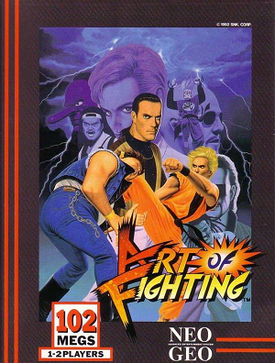 ACA Neo Geo: The King of Fighters '98 on Xbox One
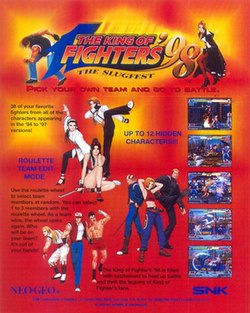 Art of Fighting Anthology on PS2
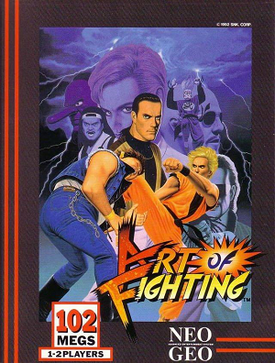 ACA Neo Geo: Art of Fighting on Xbox One










 Another SquareThought Site