

 Dec 2019


If you like your fantasy served with a side of nostalgia, a sprinkle of Dungeons & Dragons rules, and a whole buffet of user-made madness, then Neverwinter Nights: Enhanced Edition on Switch is that awkwardly comforting casserole your inner dungeon-crawling nerd keeps dreaming about. Originally born in 2002 from the famously talented BioWare kitchen, this edition has been lovingly remastered by Beamdog and brought to handheld/TV life on the Switch by Skybound. It keeps the spirit of the original-complete with d20 shenanigans, moral quandaries, and the faint scent of pixelated medieval stew-while patching up decades of community-sourced fixes and adding a few modern niceties. The Enhanced Edition is less a brand-new game and more a time machine with better Wi-Fi. It contains the core campaign-about sixty hours of content if you're the sort of person who refuses to fast-travel and insists on reading every NPC's grocery list-plus expansions and premium modules. The original was famous for packing an Aurora toolset that basically let players become miniature gods, building worlds, scripting drama, and spawning content until the server cried for mercy. Beamdog's job was to tidy up that legacy and make it tolerable for contemporary wrists and thumbs. The result feels like wearing an old favorite hoodie that's had the holes patched and the sleeves shortened for modern comfort.
Gameplay in Neverwinter Nights is a deliciously old-school affair: you create a character (or use one of the ready-made folks if you hate decision paralysis), pick race and class, allocate ability scores, and then watch as the game uses the Dungeons & Dragons 3rd Edition rules to silently roll dice behind the curtain. Mechanically, it is faithful to pen-and-paper D&D: attacks, skills, and spells all resolve by digital d20s and damage dice. Most of that calculus is handled for you, and if you really want to see the dice spit out their secrets you can-because nothing says role-playing like being nosy about RNG. The core campaign is chaptered into four parts and asks you to be the kind of hero who collects weird reagents, investigates cults, and occasionally gets betrayed by someone you thought had a heart of gold. The plot takes you from a quarantined Neverwinter through the countryside and north to Luskan, unearthing political intrigue, cultist shenanigans, and ancient monsters along the way. Choices matter in a snapshot-of-2002 kind of way: dialogue options, quests completed, and party composition can shift how later scenes play out. Expect fetch quests, morally ambiguous NPCs, a touch of melodrama, and some genuinely well-written moments. BioWare's early writing chops are on display here-sturdy, often charming, and occasionally melodramatic in that theatrical way only early-2000s RPGs can pull off. Where the game really stretches its legs is in multiplayer and custom content. The Aurora toolset-which shipped with the original game-turned Neverwinter Nights into a platform, spawning thousands of community modules ranging from short quests to massive, multi-part campaigns. Beamdog's Enhanced Edition reunites that content with modern systems, and on Switch you can play modules, persistent worlds, or run a Dungeon-Master-led session (the DM client was revolutionary back in the day and still makes multiplayer feel like tabletop theatre). If you enjoy actually making stuff, or prefer to be surprised by other people's weird creative detours (space nazis crashing into fantasy taverns is not unheard of), this is where the game becomes borderline dangerous to your free time. On Switch, the game mostly retains the point-and-click + radial-menu feel. That said, the original was designed around mouse-and-keyboard, which means menu-heavy systems and lots of tiny UI elements. Beamdog has done a lot of work to make the menus less infuriating on a controller, but expect occasional precision frustrations: inventory tedium, fiddly skill assignment, and the fingernail-chewing fun of micro-managing henchmen in combat. Combat itself is real-time with pause, leaning into the strategic layer of spells, positioning, and timing. It can be rewarding, occasionally clunky, and always faithful to the table top rules that inspired it.
If you're coming to Neverwinter Nights: Enhanced Edition expecting the visual splendor of modern triple-A fantasy, you will need to recalibrate your expectations and perhaps dig out a fondness for pre-HD charm. The Enhanced Edition cleans up textures, fixes models, and refreshes some lighting-think "vintage fantasy with face-lift glue." Spells and combat effects get a nicer sheen, and the city streets and wilderness have less of the flat, boxed look that made the original feel like a 2002 diorama. Voice acting and music remain highlights. Even where the visuals show their age, the performances and Jeremy Soule's (and Inon Zur's additional) score pull you through with atmosphere. The UI changes help, but the resolution and small text on Switch will remind you that this began life on PCs with big monitors and patient players. On handheld, some of the text can feel tiny and the menus a little deep-bring glasses if you plan on doing character optimization on the commute. Ultimately the Enhanced Edition's visual upgrades are enough to make the world pleasant and readable, if not jaw-droppingly modern.
Neverwinter Nights: Enhanced Edition on Switch is a love letter disguised as a role-playing game. It is not trying to be the latest tech flex; it wants to be a big, stubbornly old-school RPG with a thriving community and a toolkit that hands players power equal parts intoxicating and terrifying. If you want a slick, hand-holding modern RPG with streamlined inventory and combat tutorial #27, this isn't it. If you want a deep rules-driven game, a hefty single-player campaign (60 hours and change if you're thorough), and an almost absurdly creative pool of community modules to drown in, then this is a portmanteau of delights. For Switch players: try it in short bursts on handheld, or set up a marathon on your TV with friends. Bring patience for menus, a love for dice-based outcomes, and a willingness to explore community content. The Enhanced Edition tidies up many of the old game's rough edges and brings the modular glory of the Aurora era to modern consoles. In short: it's a classic RPG with its wrinkles pressed out and its silly hat polished. Roll that d20, and may your natural 20s outnumber your natural 1s. If they don't, at least the story is fun, the toolset is wild, and the nostalgia is free.
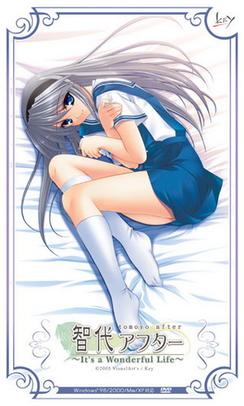
 Tomoyo After: It's a Wonderful Life on PS3
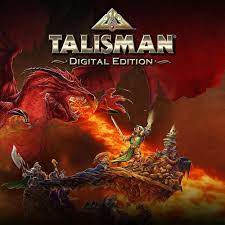
 Talisman: Digital Edition on Xbox Series X/S
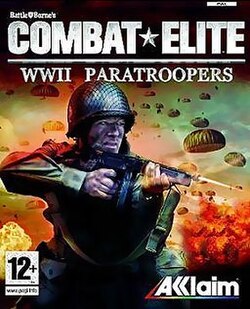
 Combat Elite: WWII Paratroopers on PS2
 The Banner Saga 2 on PS4
 Arcania: The Complete Tale on PS3
 Gnosia on Xbox Series X/S










 Another SquareThought Site