

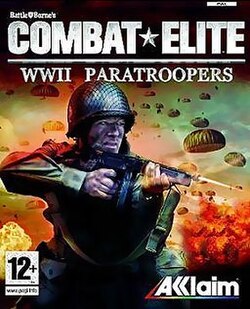

In an era when the PlayStation 2 was still churning out everything from sweeping epics to glorified button-mashers, Combat Elite: WWII Paratroopers parachuted into late 2005 with more bravado than polish. Billed as a top-down action role-playing take on World War II, the title comes from American studio BattleBorne Entertainment and was published by SouthPeak Interactive after its original backer, Acclaim, folded. The pedigree is modest but curious: Combat Elite runs on the Snowblind Studios engine, the same underlying tech that powered Baldur's Gate: Dark Alliance II. That association raises eyebrows and expectations-Snowblind had proven capable of tight hack-and-slash gameplay-but Combat Elite's execution lands somewhere between earnest retro homage and a textbook lesson in how design rough edges can undermine an intriguing premise. The game presents itself as a single-player experience with multiplayer options and a top-down perspective that aims to blend tactical trappings of a WWII setting with role-playing progression. The box art promises paratrooper grit and battlefield improvisation; the prompt, in practice, is a mixed bag of faithful historical skin and middling mechanical guts. Critics at release were lukewarm: IGN scored it 5.5/10, GameSpot awarded 5.4/10, and Metacritic's weighted average sat at 54%-numbers that suggest this title is competent in places and disappointing in others. If you remember the tone of '90s magazines-measured, even a touch moralistic about design craft-this review attempts that voice: serious, occasionally dry, and disposed to call out both noble intent and clumsy realization.
Combat Elite attempts to graft role-playing progression onto a World War II action template. The top-down camera aims to keep the battlefield readable, encouraging a mix of movement, positioning and weapon use more associated with action-RPGs than with run-and-gun shooters. The player steps into the boots of paratroopers, and the conceit of airborne insertion into contested zones provides the narrative scaffolding: drop, fight, adapt, and improve. On paper this is a tidy hook-paratroopers naturally imply improvisation, small-unit tactics and character growth-and the Snowblind engine gives the game a familiar responsiveness in animations and entity interactions. Those who enjoyed Dark Alliance will recognize the lineage in the way the world is assembled and how damage numbers and enemy swarms present on screen. Where Combat Elite stumbles is in its control and targeting systems, flaws that reviewers repeatedly highlighted. The targeting is described by multiple outlets as poor, and the aiming mechanism feels primitive. In a genre where responsive targeting is the difference between a thrilling firefight and a string of frustrating misses, Combat Elite too often errs on the wrong side. Enemies can blend into the cluttered top-down battlefield, and the lock-on / aim assistance does not consistently compensate. The result is that combat can feel less like tactical choreography and more like wrestling with a set of stubborn inputs. The skill system, intended to provide meaningful progression, was criticized as imbalanced. Leveling up and unlocking abilities should reward experimentation and specialization, but here the allocation of power and utility can make certain builds feel obligatory while others lag behind. That imbalance reduces replay incentives-if the system suggests that a handful of choices are objectively superior, the curiosity that role-playing systems rely on is dulled. Multiplayer modes exist, but they do not seem to meaningfully elevate the package; the single-player experience remains the game's core and, for many players, the most scrutinized element. Design-wise, the game's WWII setting feels earnest rather than ostentatious. There is an authenticity to weapons and scenarios that will appeal to players looking for a historical sheen rather than a blockbuster reimagining of the war. The narrative framing and mission variety offer an occasional moment of genuine atmosphere, especially when the camera allows a clear view of a contested town or a shelled-out ruin. Yet the mechanical shortcomings repeatedly undercut those moments, turning potential triumphs into exercises in patience. In short: the bones are acceptable, the intentions are respectable, but the flesh does not always respond when asked to move.
On the PlayStation 2, Combat Elite looks like what you might expect from an engine that had already seen action in other action-RPGs. Graphically it is competent rather than mesmerizing. Textures and character models are serviceable; environments do the job of conveying war-ravaged Europe without stealing the show. There are occasional flashes where lighting and the level design combine to create memorable vistas-ruined villages, hedgerow skirmishes and claustrophobic buildings that suggest the drama of paratrooper missions. These moments are worth noting, because they reveal what the team could achieve when art direction and technical constraints aligned. However, the presentation is undermined by a handful of PS2-era creakiness. Animations can be blocky, and the visual clarity during hectic encounters sometimes suffers; when the screen fills with foes, distinguishing important elements becomes a chore, which compounds the game's targeting issues. The Snowblind engine provides a stable framework for collision, hit detection and enemy spawning, but the polish level feels a step below the best examples of that mid-2000s generation. Sound design follows the same pattern: gunfire and explosions are passable, voice work is functional, and the music sets a military tone without breaking emotional ground. In short, Combat Elite looks and sounds like a competent budget title on PS2-solid enough to do the job, but rarely reaching the sort of visual grandiosity that would make it stand out on store shelves or in glossy magazine spreads.
Combat Elite: WWII Paratroopers is a study in contrasts. It is one of those games that wears a clear, respectable concept on its sleeve-top-down WWII action with RPG progression-and it benefits from an engine that can deliver readable combat arenas and a satisfying sense of impact when things go well. Yet the game's feel is too often compromised by a poor targeting system, primitive controls and an imbalanced skill tree that turns progression into a mildly frustrating task instead of an enjoyable journey. The result is a middling experience: parts of it recall the enjoyable hack-and-slash formula of Snowblind-powered titles, while other parts fall into the kind of mechanical drift that reviewers in any decade find hard to forgive. At the time of release critics were properly cautious: IGN and GameSpot both hovered around the mid-fives, and Metacritic's aggregate sat in the low fifties. Those numbers are fair reflections of a title with competence and ambition but insufficient refinement. For collectors of the PS2 era or players curious about oddball WWII experiments, Combat Elite offers a few moments of atmosphere and tactical promise. For anyone expecting the tight, well-tuned action that made Snowblind's better titles sing, the game's rough edges will be conspicuous. If you approach Combat Elite like a retro curiosity-an earnest, somewhat rough-around-the-edges wartime action-RPG with a few interesting ideas-you may find amusement and occasional reward. If you demand crisp targeting, balanced progression and a consistently polished experience, you should look elsewhere. In the mood for nostalgia with caveats, this one earns a cautious recommendation and, as a final grade, a 5.5 out of 10.
 Monster Hunter Stories 2: Wings of Ruin on Switch
 Tomb Raider: Underworld on PS3
 Nobody Saves the World on Xbox Series X/S
 Harvest Moon: One World on Switch












 Another SquareThought Site