

 May 2025


AFL 26 arrives with the kind of understated Aussie swagger you get from a bloke who says he's a good cook but only ever microwaves toast. Developed by Big Ant Studios and published by Nacon, it lands on Xbox Series X/S on 8 May 2025 after a leak via the Australian Classification Board and a polite Twitter announcement. The game is the latest in the AFL franchise and-credit where it's due-was released on the expected date, unlike some of its predecessors. If you want a sports sim that asks for active brain and thumbs coordination, AFL 26 has the ambition. If you want a polished launch experience, well, the reception on Steam (33% positive) and reports of Xbox users unable to play suggest patience and patch downloads may be part of your strategy.
If you're buying AFL 26 for the thrill of micro-decisions that swing a quarter or an entire match, you'll find a lot for your mental and manual muscles to chew on. This title doesn't just hand you a controller and say, "win." It asks you to be precise and present: timing for kicks and handballs, reading the flow of the contest, and positioning to intercept or create space. The core challenge feels like that of a real game-spatial awareness, split-second judgement and stamina management all matter. That means you'll need good hand-eye coordination to hit the sweet spot on kicks, fine thumb control for shepherds and contested marks, and a willingness to learn the rhythm of the AI and teammates. The learning curve is real. New players will probably fumble through the first handful of matches, misreading leads and overcommitting to tackles, which the game mercilessly punishes by turning promising turnovers into long, soul-crushing kicks the other way. Tactical awareness matters: reading teammate runs, timing your intercepts, and picking when to surge forward or hold the defensive line. Multiplayer ramps that up into a chess match of stamina management and mind games-who's going to pressure, who's going to sit back and wait for the long ball? Winning here rewards discipline, memory and pattern recognition. Controller dexterity is tested frequently. Quick adjustments to ball trajectory, nuanced pressure on opponents, and split-second decisions during marking contests all separate a competent player from someone who's merely pressing buttons. The skill ceiling exists and it's approachable, but you must put in the hours. AI unpredictability can be part of the challenge: sometimes teammates make miraculous plays, sometimes they wander into the stands and forget the game exists. That chaotic variability can be fun, but it also means you'll spend a chunk of matches compensating for poor AI decisions, which is its own kind of skill test-learning to adapt on the fly. There's also an overarching managerial and strategic layer that rewards long-term thinking. If you're the type who studies run patterns and sets up plays, AFL 26 gives you reasons to plan: building momentum, rotating players, and timing subs matter. In this way the game scratches that deep-sports itch where a single clever move feels like a masterpiece. But this is a mixed bag: the challenge you're signing up for is not always purely tactical. Technical issues, particularly on launch, add an unwelcome level of difficulty. The game shipped with fewer shattering bugs than AFL 23, yet notable issues persisted-enough that some Xbox users could not play at all. If the match in front of you suddenly becomes a software fight, the intended skill test breaks down into patience and tech troubleshooting, which is not the most glorious test of your gaming prowess.
Visually the game does what most sports franchises aim for: it's recognizable, functional and competent rather than a next-gen eye candy showcase. From a challenge perspective, the visuals serve the gameplay-the ball, player silhouettes and movement cues are clear enough that you can make split-second reads. That clarity is essential; blurred signals or muddy animations would make the timing and positioning skills the game asks for impossible to execute. The cover art and store presence (seen on JB Hi-Fi and EB Games Australia) promise the authenticity Big Ant usually chases. However, presentation hiccups and occasional rough edges in animations reminded you that sometimes the engine wants a nap mid-match. These aren't deal-breakers if you're focused on the mechanical challenge, but the polish level does affect immersion and the overall satisfaction of winning a tight contest.
AFL 26 is a frustrating but earnest test of AFL instincts, timing and controller skill. It offers a satisfying challenge for players willing to invest time into reading plays, mastering kick windows and adapting to AI quirks. The game's ambition-to be a proper simulation of the sport's tactical and physical demands-is clear. Unfortunately, launch technical problems, notably reports of Xbox users being unable to play, and a reception that skewed negative on Steam, undercut that ambition. If you are a hardcore AFL fan who lives for the micro-skills of set plays, marking contests and defensive geometry, you'll find moments of joy and real satisfaction here once patches smooth the rough edges. If you're more casual or you hate troubleshooting, you might want to wait a few patches and community feedback before diving in. For now, treat AFL 26 like a high-skill, occasionally crash-prone training ground: rewarding when it works, maddening when it doesn't. Score: 4.5/10 - a project with potential that needs time, fixes and a stronger launch-day handshake with Xbox players.
 AFL Live on PS3
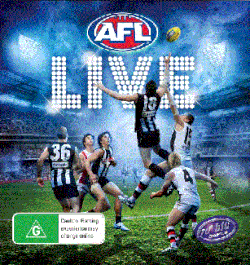 AFL Evolution on Xbox One
 Accolade Sports Collection on Xbox Series X/S
 Deca Sports DS on DS
 Alan Hansen's Sports Challenge on PS2
 Olympic Games Tokyo 2020 - The Official Video Game on Switch
 Don Bradman Cricket 17 on PS4
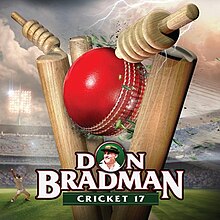 Cricket 22 on Xbox Series X/S
 Cricket 22 on PS5
 Ashes Cricket on PS4
 Cricket 24 on PS5










 Another SquareThought Site