

 Nov 2022
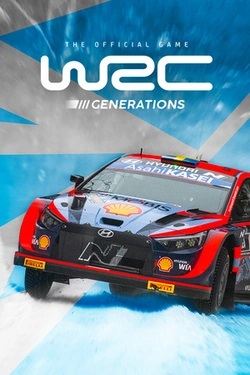

There is a certain ritual to reviewing rally games that dates back to the ink-and-glue era of gaming magazines: you strap yourself in, lean over a pad of notes, and pray the car does not meet a telephone pole during your first stage. WRC Generations, the seventh official outing from French studio Kylotonn, offers a modern incarnation of that ritual for the Xbox Series X/S. Bearing the official license of the 2022 World Rally Championship, the title arrives with the lofty promise of capturing the fresh era of hybrid Rally1 machines and the chaotic poetry of off‑road speed. My expectations were simple and, like a co‑driver reading pacenotes, brutally precise: accurate cars, believable handling, a selection of events that honors the WRC calendar, and enough content to keep me swapping tires and grip settings rather than the battery charger. Kylotonn and publisher Nacon return after previous entries to deliver a package that is earnest, sometimes excellent, and occasionally staggered by the weight of its ambitions.
If you are after the headline, here it is: WRC Generations puts the new hybrid Rally1 cars into the game and treats them with the reverence of a new engine note heard for the first time on a rally stage. The three marquee Rally1 models - the Ford Puma Rally1, Hyundai i20 N Rally1 and Toyota GR Yaris Rally1 - are present and accounted for, wearing their 2022 liveries and the subtle mechanical changes that the hybrid era introduces. Beyond the Rally1s the roster contains Group Rally2 entries and a selection of legendary cars, bringing the total vehicle count to no fewer than thirty‑seven. For a fan of official cars, that breadth is a comfortable starting point. Handling is the fulcrum upon which any rally game balances, and here Kylotonn treads a line between realism and accessibility. The Rally1 hybrids are modeled to feel distinct; their mid‑to‑rear weight bias under braking, the snatch of torque delivery, and the way suspension compliance communicates road feedback are all recognizable. The hybrid boost - which in real life is a new variable in the driver's toolkit - is represented in the stages, granting you bursts of power that must be managed. This adds a tactical layer to the driving: do you burn the electrical assist through a sweep to gain time, or save it for a treacherous crest where raw combustion torque will not suffice? The game encourages conservative cunning without demanding the obsessive micromanagement of an ultra‑simulation. For players who remember the hairshirt difficulty of true simulators, there are assists and tuning options that make sense. Beginners can soften the punishment while enthusiasts will find a satisfying learning curve to push the car to its limits. The physics do not always behave like a spot‑on laboratory reproduction - there are moments when grip levels or rebounds feel a touch forgiving - but the overall package conveys the sense of hurtling across gravel and tarmac with the proper risks and rewards. Content-wise, WRC Generations largely follows the template that modern licensed racing titles have settled on. There is a single‑player offering and multiplayer options; the Anniversary mode introduced in WRC 10 returns for those seeking nostalgic stages and classic machinery. The inclusion of Rally2 cars and legendary machines means the game does not solely live or die by its Rally1 implementations; it provides variety in pace and character that helps stave off monotony. Events span a respectable variety of surfaces and conditions so that you are not merely repeating the same corner with different scenery. Multiplayer lets you test your pace against human opponents, which is where the title visibly perks up. The unpredictability of other drivers - the attempted passes, the mid‑stage errors, the small acts of opportunistic brilliance - transforms a stage into a tiny drama. The online implementation is serviceable rather than cutting edge; you will find quick matches and friends lobbies, but nothing revolutionary in the matchmaking department. Where the game stumbles is not usually in ambition but in refinement. There are rough edges in some of the stage transitions and occasional oddities in AI behavior. At times the competitor drivers will display uncanny consistency, while other moments render them overly conservative. Likewise, some menus and UX choices feel like the product of a developer who spent more time tuning suspension than streamlining the user journey. These are not fatal flaws, but in an era where polish is currency they become noticeable. The final result is a rally simulator with its hand on the pulse of the sport's modern era. It rewards patience, seat time, and a taste for mechanical nuance. It is not quite the definitive sim for hardcore devotees, nor is it a throwaway arcade racer; its middling ground is its most honest selling point.
WRC Generations carries itself with the visual sobriety a licensed motorsport title should. The new Rally1 cars are presented as distinct machines rather than palette swaps; manufacturer liveries and the signature silhouettes of the Ford Puma, Hyundai i20 N and Toyota GR Yaris are reproduced with care. Close‑up shots of the cars show decal detail and believable wear after a stage, which is the kind of thing that matters when you live in a world of repeated replay and screenshot‑sharing. The stages favor function over flamboyance. There is enough environmental variety to keep the eyes occupied - windswept gravel roads, compressed tarmac rallycross sections, and muddy lanes that punish imprecise lines - but you will not, as of this writing, be stunned into silence by Houdini‑level lighting tricks. On Xbox Series X/S the game benefits from next‑gen stability, which means consistent frame pacing and crisp car models; that steadiness is crucial when the difference between clipping a bank and flipping is measured in pixels and reaction time. If you were hoping for the kind of photo‑real vistas and cinematic depth of a big budget AAA sightseeing title, temper that appetite. The visual workmanlike approach suits the game's focus: it prioritizes readable surfaces and car fidelity over extravagant atmospheric posturing. That choice keeps stages clear and the driving readable, which is ultimately a visual virtue in a rally game.
WRC Generations is the sort of title that sits comfortably on a shelf between nostalgia and progression. It is earnest in its representation of the 2022 season and the new hybrid Rally1 cars, offers a decent vehicle roster that spans Rally1, Rally2 and legendary entries, and returns Anniversary mode for fans who like their rallies with a side of retrospection. Kylotonn and Nacon have delivered a competent rally experience that will satisfy many fans of the discipline. Reception has been mixed to positive: Metacritic averages place the game in the mid‑70s, with outlets such as IGN and Jeuxvideo.com appreciating what it does well, while opinions vary more widely from other quarters. That middling consensus is appropriate - WRC Generations excels where it matters most to rally fans, but it does not entirely shake off niggles in AI, polish and presentation. If you are an Xbox Series X/S owner with even a passing interest in rallying, this is a title worth renting, trying, or buying on sale. It will not fundamentally redraw the map of racing games, but it offers honest stages, technically interesting machinery and enough depth to keep a steady hand occupied for dozens of hours. In short: a respectful, reliably spirited entry in the WRC catalogue - a magazine‑page review that would make the 1990s edition editor nod and pocket the clipping for the next issue.
 WRC 10 on PS5
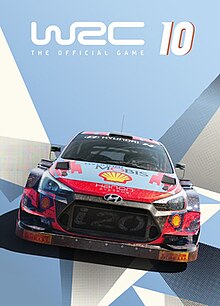 WRC 9 on Xbox Series X/S
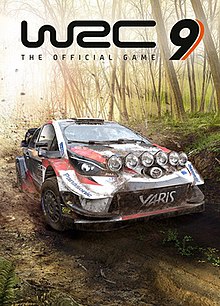 Roary the Racing Car on DS
 Team Sonic Racing on Switch
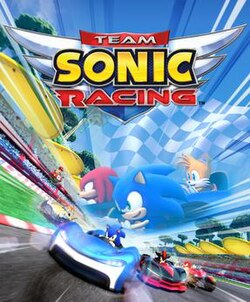 Garfield Kart: Furious Racing on Switch
 Ben 10: Galactic Racing on PS3
 FlatOut 4: Total Insanity on PS4
 Test Drive Unlimited Solar Crown on Switch










 Another SquareThought Site