

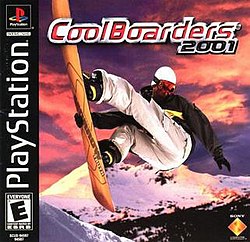

Cool Boarders 2001 arrives in the historical record like a franchise trying to autopilot through adolescence. This entry was developed by Idol Minds and released by Sony Computer Entertainment as the latest installment in the Cool Boarders line, hitting PlayStation in late 2000 and then hitching a lift to PlayStation 2 in mid 2001. If the series were a high school drama, the PlayStation version is the kid who keeps showing up to class in last year's jacket and a sense of 'we've always done it this way', while the PS2 version is the sibling who took one semester of design and suddenly looks presentable at graduation. The game wears the snowboarding label without pretending to be anything more cerebral than a freestyle sports package: single-player campaigns, multiplayer modes, and the expected roster of courses and tricks. Reviewers were split in their affections: the PlayStation release collected mixed notices, with aggregate scores in the mid 50s on Metacritic, while the PS2 port was treated more kindly, scoring in the high 70s on the same aggregator. That gap in reception is where the drama lives, and this review digs into characters and arcs where most reviewers stuck to statistics and star ratings.
If gameplay were a cast of characters, meet the protagonists: the PlayStation edition and the PlayStation 2 edition. Both share the same DNA - same tricks, similar modes, same snow-splattered identity - but they follow different story arcs. PlayStation version: the grizzled veteran. This version behaves like a franchise player who knows every move but has lost a step. Its controls are competent and familiar; GamePro's reviewers flagged control as one of the stronger aspects, and some outlets agreed that it's 'solid' for newcomers. The veteran arc here is one of repetition. For first-timers the experience is pretty satisfying: there are enough courses and enough tricks to learn and string together combos. For returning players and genre fans, the narrative is disappointment rather than revelation. Critics like NextGen and GameSpot were blunt: the game felt dated and, in a post-SSX world, underwhelming. That's a classic arc of a character stuck repeating old habits while the world moves on. PlayStation 2 version: the rejuvenated sibling. Ported to the new hardware, this iteration turns the crank on polish. Reviewers generally warmed to it; Metacritic leans favorable, and publications such as IGN, GameSpot, and Game Informer gave higher marks for the PS2 build. The arc here is growth. The PS2 version seems to learn from its predecessor's mistakes, offering tighter presentation and a feeling of refreshed relevance. GamePro's PS2 review nodded approvingly at how it compares to the then-cutting-edge SSX: not as revolutionary, but worth a look if you like boarding. This is the arc of someone who went off to summer school and came back with better posture. Supporting cast: courses, modes, and sound design. Courses are the locations where the characters develop - halfpipes, freeride runs, and trick zones that push you to string combos. Some reviewers found the selection a bit derivative relative to newer titles, but others thought the tracks were fun if not groundbreaking. Sound and music are functional rather than inspiring; GamePro scores varied, but most critics agreed the audio supported the action without stealing scenes. Antagonists: expectations and competition. The biggest dramatic tension in the game is not a literal boss, but the looming comparison to SSX and other contemporary snowboarding titles. Critics repeatedly measured Cool Boarders 2001 against that yardstick. For the PS version, that antagonist crushed it; for the PS2 version, the game at least traded blows. Pacing and progression: the game aims for arcade immediacy rather than simulation depth. Levels are quick to load and quick to run, contributing to pick-up-and-play appeal. Multiplayer modes inject a communal subplot where bragging rights and glitches become shared lore. In the larger narrative of snowboarding games, this installment reads as moderate character development - not a tragic fall, nor an Oscar-worthy comeback, but a middle chapter that will satisfy some viewers and disappoint others.
Graphics take on the role of the wardrobe department, and the two versions dress the franchise very differently. On the PlayStation, visuals look like a familiar sitcom set: functional but showing tape on the seams. Textures are basic, and animations sometimes feel stiff; it's serviceable for the era but not spectacular. Early reviews reflected this: outlets like IGN and GameSpot rated the PS release in the low single digits, calling attention to how it felt outpaced by contemporaries. GamePro, with a more forgiving eye, still praised the graphics relative to the series' baseline. Move across to PlayStation 2 and the clothes fit better. The PS2 port benefits from the more powerful hardware with smoother character models, cleaner environments, and prettier snow effects. Reviewers rewarded that effort: Metacritic's PS2 aggregation sits comfortably higher than the PlayStation counterpart, and many outlets gave the PS2 build significantly better marks. Animations are livelier, camera angles feel more cinematic, and the game manages a more convincing sense of speed. None of this reaches the visual fireworks of best-in-class titles of the time, but in terms of arc it's the difference between 'you tried' and 'you showed up with a plan'. Technical consistency: frame rates and camera play big roles in a snowboarding game's perceived polish. The PS2 version generally offered a steadier experience, reducing motion jitter and making tricks feel more responsive. On PS1, the occasional hiccup undermines confidence during high-risk trick strings, which will frustrate players seeking precision. In short: the game's wardrobe on PS1 is comfy but rumpled; on PS2 it comes back from the tailor with a better silhouette, even if it still borrows a shoe from the neighbor.
Cool Boarders 2001 is less a single coherent novel and more a two-part miniseries. The PlayStation release plays like a sequel who forgot to bring new ideas to the party; critics were blunt, and its Metacritic score in the mid 50s reflects a weary acceptance. The PlayStation 2 port is the redemption episode - improved visuals, tighter presentation, and a warmer critical reception that lands it in the 'generally favorable' column on Metacritic. If you treat the game as a character study, its arc is instructive: stagnation followed by a respectable, if not glorious, revival. If you are new to snowboarding games and care more about the thrill of shredding than being on the bleeding edge of mechanics or style, the PlayStation release can still be entertaining, particularly at a bargain. If you own a PS2 or are looking for the better-polished experience, pick the PS2 version; it demonstrates that Idol Minds and Sony were capable of learning from the chatter in the media and addressing at least some of their shortcomings. Critically, Cool Boarders 2001 never fully escapes comparison to SSX and other contemporaries. That shadow is the franchise's antagonist, and for many players it decides whether they binge or skip the title. For devoted fans, a little nostalgia and a taste for arcade snowboarding will make the game worth the investment. For everyone else, it's a decent diversion on the PS2 and a historical footnote on PS1: an example of a series learning the hard lessons of relevance in a fast-moving genre. Final verdict: a mixed bag with a clear winner in the PS2 port. Consider it a character with room to grow - flawed, occasionally charming, and ultimately middling. Score: 6.5 out of 10.
 Cool Boarders 2001 on PlayStation
 Cool Boarders 2 on PlayStation
 Shaun White Snowboarding on DS
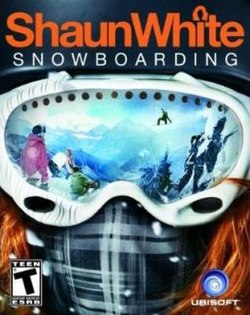
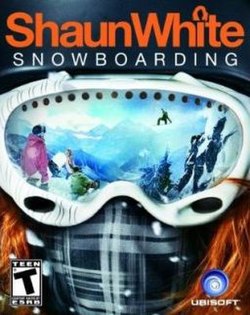 Shaun White Snowboarding on PS3
 Chill on PlayStation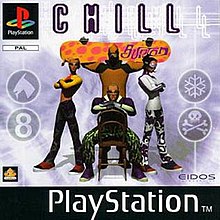
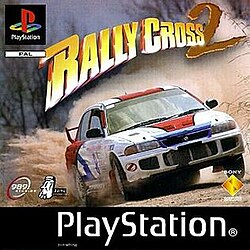
 Rally Cross 2 on PlayStation
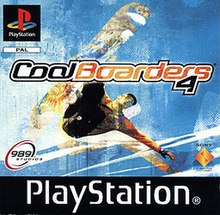
 Cool Boarders 4 on PlayStation
 Madagascar: Escape 2 Africa on PS2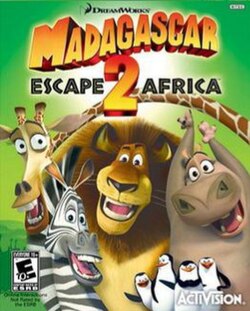












 Another SquareThought Site