



The Dance Dance Revolution family tree is enormous, like a very energetic bonsai. It began in 1998 and sprouted sequels, regional aliases and enough platform ports to make a logistics planner cry. Dancing Stage Max is one of the European branches of that tree - a PlayStation 2 release, dated in the official list as 2005-11-25. If you have experience with anything in the DDR/Dancing Stage lineage, you know what to expect: arrows, a plastic pad, sweating, and the quiet, existential dread of trying to hit 'Perfect' while your roommate casually misses half the screen because they were holding a drink. This review will discuss what the PS2 port represents in the larger Konami catalogue, what it does well, and what it does with the sort of understated competence usually reserved for photocopiers and polite tax accountants. The source list offers almost no direct marketing copy about 'Max' beyond the platform and date, which is convenient. It means I get to evaluate the game in the same spirit many people discovered DDR: by stepping on things and seeing what happens.
Dancing Stage Max plays the core beat-synchronization game you already know if you've ever been within thirty feet of a DDR cabinet. The basic unit of interaction is unchanged: directional arrows scroll up the screen, you step on the matching arrow on the pad in time with the music, and the game rates you on timing windows. The PS2 entry follows the series' long-standing ruleset rather than trying to reinvent interpretive dance as a genre. That is both a comfort and an indictment: comfort because the mechanics are tight and familiar, indictment because the title doesn't try to make a shocking first impression like 'let's play with gravity' or 'now with interpretive kazoo.' Modes are the meat and potatoes. Expect standard single-play modes, difficulty tiers from 'beginner who just wants to tap to the beat' up to 'maniac' levels that exist to humble the fleet-footed. The wider DDR family often bundled extras such as Nonstop courses, Maniac variants, machine link play and region-specific modes - the documentation for other entries points out that variants like 'Maniac mode' and 'Nonstop Megamix' have historically existed in some regional builds. Dancing Stage Max, being a European PS2 package, sits in that middle ground: not shoehorning in the full Japanese arcade feature set, but not neutered either. Konami historically trimmed or altered licensed songs between regions; the list of series releases is a polite reminder that legal paperwork occasionally eats a tracklist for breakfast. If you buy Max expecting the Japanese arcade repertoire, you might encounter a different playlist tailored to Europe's licensing climate. The dance pad interface on PS2 is about as analog as a digital game gets. Proper technique still matters: steady posture, light feet, and the ability to avoid stepping on the 'Start' button while trying to recover from an unexpectedly savage freeze beam. If you are plugging the game into a home set-up, note that dance pads range from durable to 'fragile disposable sculpture.' A PS2 pad is a significant factor in enjoyment - the software will not forgive a sticky sensor any more than your local bar will forgive spilled drinks. Dual-play or link-play that connects machines was an arcade feature; home consoles attempt to approximate the social experience by making it a party title. On PS2 that often translates to two-player simultaneous modes where one person's triumph is another person's snarky commentary. Progression in Max is likely simple: play songs, unlock more songs or modes, earn scores and, if you care deeply about numerical validation, climb the leaderboard. The DDR lineage sometimes includes unlockable extras (alternate characters, secret songs, and so on) which motivate repeated play. Whether Max has an elaborate unlock tree or a smaller, immediate library falls into the category of 'things the European release could vary on' based on how Konami handled licensing and disc content for the region. The practical upshot for players is this: Dancing Stage Max excels as a short-burst rhythm workout and a party focal point. It is not a sprawling narrative game, nor does it pretend to be one. It is a game about synchronization, stamina and the occasional creative curse word when someone misses a step in a clutch moment. Where the series has sometimes shuffled features between arcade, Japanese consoles and European releases, the experience of actually playing remains constant. If you like rhythm games that reward practice and timing, Max behaves. If you prefer rhythm games to be exploratory musical experiences rather than precision timing tests, the DDR formula might feel businesslike. Both assessments are fair.
Graphically, Dancing Stage Max is a PS2-era production, which translates into serviceable, colorful backgrounds and clear arrow indicators. The consumer-facing graphics are designed to communicate function rather than to demonstrate avant-garde shaders. Arrow contrast and timing cues are what matters for gameplay; Konami historically opts for high legibility and flashy but non-distracting backgrounds. If you want to rhapsodize about pixel-perfect textures, you're playing the wrong console - Max is not trying to win a trophy for photorealism. Menus and UI are DDR by design: bold, immediate and unapologetically arcade-like. The game dresses up the songselect screens and difficulty charts with themes that aim to be energetic. European ports historically trimmed or substituted licensed content compared to their Japanese counterparts, so Max's visual identity is also the visual identity of accessibility: readable fonts, clear timing windows and background animations that pump just enough motion to feel club-like without inducing vertigo in the living room. In short, Max's graphics communicate exactly what they need to: when to step and how badly you failed to do so. The PS2 era's limitations are present, but they are not the point of the package. The point is rhythm, and the graphics are the visual scaffolding that supports that point without asking for any credit.
Dancing Stage Max on PlayStation 2 is a competent European entry in the long-running DDR family. It does not reinvent the franchise nor does it need to. What it offers is the core, tried-and-true experience: a honed timing system, a selection of danceable tracks shaped by the fiddly world of music licensing, and a presentation that reads at a glance. It is a perfect roommate-bait purchase, an unexpectedly effective cardio regimen, and a social lubricant for small gatherings that like to solve rhythm puzzles together. There are caveats. If you are chasing the exact Japanese arcade libraries or specific licensed hits from the franchise's global catalogue, regional differences mean this disc may not be the superset you imagine. If your home pad is a creaky piece of hardware from the bargain bin, the game's strict timing will expose that in the scoring. But if you approach it on its terms - a rhythm game built by Konami's steady, confident factory of arcade expertise - Max is a solid PS2 rhythm pick. It sits comfortably in the 'fun, slightly sweaty, reliably rhythmic' section of the shelf. Score: 7.5/10. Not a masterpiece, nor an embarrassment - simply a very obedient arrow-following machine that rewards practice and the occasional healthy level of competitiveness. It is, to paraphrase a non-existent manual, exactly what you hoped it would be and surprisingly good at not pretending to be anything else.
 Max: The Curse of Brotherhood on PS4
 Max Payne 2: The Fall of Max Payne on PS2
 Dance Dance Revolution 3rdMix on PlayStation
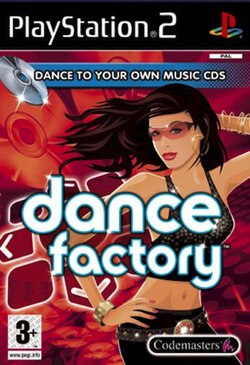
 Dance Factory on PS2
 Just Dance 2017 on Switch
 Just Dance 2019 on PS4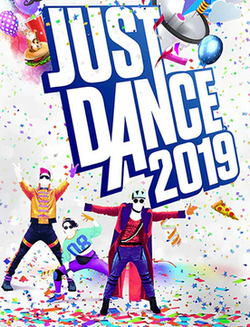
 Metal Gear Solid: Integral on PlayStation
 ISS Pro Evolution 2 on PlayStation
 Pro Evolution Soccer 2 on PlayStation
 Metal Gear Solid 3: Snake Eater on PS2
 Dance Dance Revolution Best Hits on PlayStation












 Another SquareThought Site