

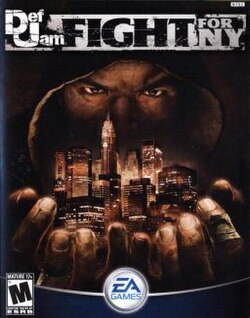

Def Jam: Fight for NY is not merely a brawler with celebrity cameos; it's a soap opera that learned how to throw elbows. Built on AKI/EA's decision to crank up narrative and customization, the PS2 version asks you to play the blank-slate underdog - the Hero - and then hands you a city-sized set of interpersonal problems guaranteed to end with someone falling out of a window. If you came for licensed rappers pounding each other like cheap subwoofers, you'll get that. If you came for one of the deepest story threads in a fighting game, you'll be pleasantly surprised: this is a game that lets characters wear arcs like they wear chains - obnoxious, ostentatious, but oddly expressive.
The story mode is the playground and the plotline at once. You begin as the player-created Hero, a narrative vacuum who gets shoved into D-Mob's orbit - D-Mob being the game's would-be godfather, a powerbroker whose fall from grace (arrested, limped through a car crash) turns the plot into a family drama about loyalty, ambition and pendants. D-Mob's arc is short but catalytic: he's the glue that initially holds the crew together and the tragic inciting incident that propels the Hero forward. His off-screen suffering and on-screen absence let Blaze, Sticky Fingaz, and the Hero fill in the emotional cracks. Blaze (Method Man) arrives as something like the pragmatic consigliere - talented, loyal, and quietly moral. His friendship with the Hero lets the player feel validated; when Blaze rips off the Hero's pendant in a blur of grief and anger, the act reads like a betrayal and a wake-up call at once. It's the kind of moment the game stages through a boss fight that doubles as moral adjudication: beating Blaze isn't just a gameplay hurdle, it's a commentary on collective identity when the gang starts tearing itself apart. Snoop Dogg's Crow is the textbook charismatic antagonist. He's smooth, opportunistic, and runs a rival crew that preys on D-Mob's instability. The arc for Crow is deliciously cartoonish - he's the shiny apple of temptation, offering more cash and more clubs. Crow's slow reveal as a manipulative force culminates in the scrapyard and factory set pieces where the stakes shift from club turf to personal life: kidnapping the Hero's girlfriend ties the narrative to the kind of emotional blackmail found in street cinema. Crow's end - thrown from a window after refusing to back down - is melodrama perfected, giving players the satisfaction of poetic justice while reminding them that in this world, reputation can be fatal. Sticky Fingaz is the other side of the loyalty coin: anger and quick betrayal. Furious at being bypassed, Sticky bolts to Crow's side, becoming the game's tragic antagonist whose death in the burning factory is almost operatic. That sequence forces the player into a question that many fighters dodge: what is redemption worth, and can violence be the cure for violence? The Hero answers that question by literally clawing his way through it. Secondary characters provide texture and comedic relief, and the game makes them interactive in ways that feed both gameplay and story. Carmen Electra's flirtatious brawl, Henry Rollins running the gym, Jacob the Jeweler dispensing ice and identity - they are NPCs who double as world-builders. Jewelry, clothes, and even the crowd's willingness to hand you a pipe function as narrative signifiers: Charisma isn't statistical fluff, it's how the city sees you. The Momentum/Charisma system mimics this by rewarding flash and swagger; in story terms, it's the difference between an unknown street pug and a true figure whose mere presence rearranges the crowd. Mechanically, the game builds on five distinct fighting styles - Streetfighting, Kickboxing, Martial Arts, Wrestling, and Submissions - and lets characters embody narrative through movesets. A wrestler's grappling dominance feels like the physical expression of their personality: heavy, blunt, and all about control. Martial artists move like philosophical antagonists who believe in the purity of their craft. The Blazin' system, where full momentum lets a fighter perform a unique signature move, is essentially a micro-story: turn on the ego meter and let the character's narrative flourish in a brutal cinematic flourish. The create-a-fighter arc loops neatly into the roster: you can steal Blazin' Moves, deck yourself out in famous brands and jewelry, and in doing so write your own reputation. Collecting a Roc-A-Fella medallion or Sean Paul's jewelry is less inventory management and more social currency - playable evidence that your character has earned a place in the city's mythos. That said, the game isn't shy about its soap-operatic violence. Knockouts are staged through a two-layer health system (consciousness over physical wellness) that forces fights into dramatic crescendos. Crowding, environment hazards, and weapon use add a chaotic, improvisational element that sells the idea that this is street theatre, not Olympic wrestling. The camera and frame-rate problems noted by critics show up at the worst moments: when the emotional moment should linger, the frame hiccups and the window jump looks a bit clunky. Still, these technical stumbles rarely undo the storytelling heft of a good confrontation.
For a PS2 title, the visuals were impressive for 2004: character models and arena lighting get praise for their polish, and the game's design packs in details - tattoos, brand logos, and jewelry glinting in the right places. The GameCube lost some of the blur and music, but the PS2 carries the intended atmosphere. Persistent issues include choppy frame rates and a camera that sometimes panics mid-fight, which undercuts a few cinematic beats. Even so, the controlled ugliness of smashed crates and graffiti-splattered walls compliments the game's narrative grit.
Def Jam: Fight for NY is a fighting game that insists on being a soap opera with a better soundtrack. Its real achievement is turning what could have been a roster of celebrity skins into a living, breathing urban cast: D-Mob's fall, Blaze's wounded loyalty, Crow's gilded menace, Sticky's rage-fueled tragedy, and the Hero's rise-from-nowhere arc combine into one of the meatier single-player narratives in the genre. The mechanics - momentum, charisma, Blazin' Moves, and style-specific KOs - are cleverly married to character, making each victory feel like a chapter wrapped up. The biggest knocks against the title are technical: camera and frame-rate hiccups that occasionally break immersion. For anyone who wants a fighting game that lets you care about the people you punch, and who enjoys collecting chains almost as much as collecting moves, this PS2 classic still packs a punch. Put on the right kicks, flash the right medallion, and get ready to watch a city hand you its crown - then immediately try to take it back.
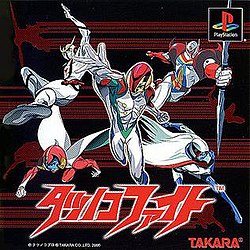
 Tatsunoko Fight on PlayStation
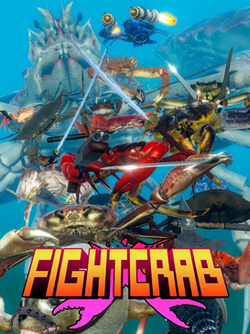
 Fight Crab on Switch
 ACA Neo Geo: Art of Fighting 2 on Xbox One
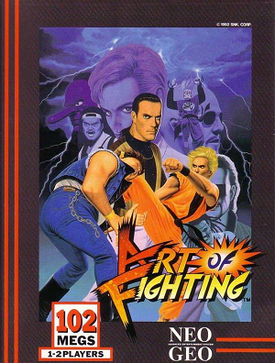 ACA Neo Geo: The King of Fighters '98 on Xbox One
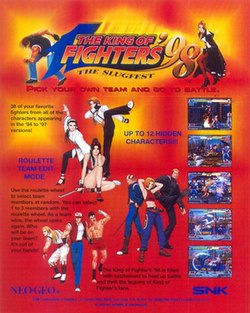 Touhou Hyoibana: Antinomy of Common Flowers on Switch
 Art of Fighting Anthology on PS2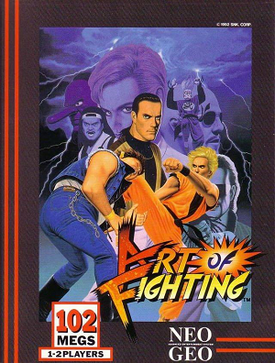












 Another SquareThought Site