

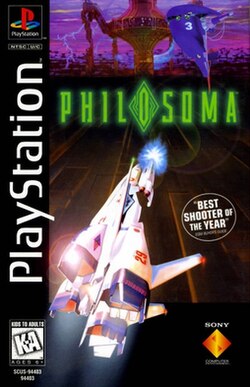

When Philosoma first blasted onto the PlayStation in the mid-90s it did so as a scattershot celebration of polygonal ambition - a sci‑fi shooter that dabbled in FMV bravado and a smattering of camera angles. By the time the storyline resurfaced under the title Phase Paradox on Sony's second console, the series had done a sonic U‑turn: the manic, arcade‑minded blaster had become a slow, brooding survival horror. That tonal pivot alone is worthy of a raised eyebrow in any decade, but in the early 2000s - a time when developers were still learning what the PlayStation 2 could and couldn't get away with - it reads like a curious, occasionally inspired experiment rather than a confident rebirth. Phase Paradox is a Japan‑only continuation of the Philosoma narrative, and it wears that continuity like an Easter egg for veterans. If you come in expecting frantic, top‑down dogfights you will be surprised; Phase Paradox wants you to creep, examine, and occasionally run - and it wants you to wonder why your heroic fighter pilot now spends so much time checking dusty lockers for ammo. The result is a game that is part serial drama, part haunted house, and part genre identity crisis - and it lands in the pleasant middle ground of competent entertainment without ever being truly indispensable.
Phase Paradox is unafraid to trade reflexes for nerves. The most obvious change from Philosoma is mechanical: where once you squeezed a button to spray lasers and pray, here you inch through environments, manage scarce resources, and solve modest puzzles. The design philosophy favours atmosphere and storytelling over high scores; rooms are designed to suggest danger rather than continuously deliver it. This is not to say there is no action - encounters occur - but they are measured, thinly spread and typically intended to startle rather than overwhelm. The game's pacing will be a sore point for some. Sections of slow, investigative progression are punctuated by bursts of combat, which creates a rhythm closer to an interactive novella than an arcade level. Players who expect the immediate gratification associated with shooters will find the tempo maddeningly deliberate; those who remember the slow‑burn pleasures of early survival horror may appreciate the care taken in building tension. There is a clear reliance on classical genre scaffolding: claustrophobic corridors, locked doors that require backtracking, and the occasional inventory puzzle that asks you to combine two found objects like some kind of interstellar MacGyver. Combat is serviceable but never the star. Enemies are effective as mood setters but rarely transcend their role as obstacles to narrative beats. The game leans heavily on limited resources to keep you honest; ammo and healing are dispensed sparingly, forcing tactical retreats and discouraging gratuitous firefights. Phase Paradox is at its best when it remembers it is a story. The connection to Philosoma's universe gives the proceedings a faintly epic undertow, a promised revelation glinting at the end of the corridor. That promise is what keeps the more patient player engaged - you want to know how the pilot mythos translates into this new genre. For others, the slow unspooling and frequent tonal shifts will feel like an identity that never quite makes up its mind.
On the PlayStation 2, Phase Paradox looks like a title that prefers mood to muscle. The visual approach is functional: environments are workmanlike rather than showy, composed to create atmosphere with lighting and shadow more than polygonal spectacle. On a console capable of dazzling effects, the game seldom attempts to dazzle; instead, it opts for a restrained palette and textured spaces that age more like a moody photograph than a fireworks display. If you complained about the original Philosoma's FMVs and underwhelming gameplay visuals, Phase Paradox answers with fewer cinematic flourishes and more in‑engine ambience. The result is mixed. Textures and models occasionally reveal their roots in an earlier generation - geometry is modest, facial animations conservative - but competent art direction often covers technical frugality: well‑timed lighting cues and careful camera work do a lot of the heavy lifting. In short, the graphics will not win any awards for pushing silicon, but they serve the tone well and occasionally deliver quiet, memorable moments. Sound design follows a similar pattern. The soundtrack and ambient effects are enlisted to support dread and curiosity; they rarely call attention to themselves, but when a distant groan or unsettling silence falls into place, the game reminds you that effective horror does not always need a surround‑sound orchestra to register.
Phase Paradox is an oddity: a sequel that refuses to be a straightforward sequel, a franchise pivot that trades arcade bravado for tension and mystery. There is real craft in its pacing, atmosphere and in the idea of continuing a sci‑fi tale in the language of survival horror. Unfortunately, the execution is cautious to a fault. The game is competent where it needs to be and stubbornly unambitious where it could have been spectacular. For fans of the original Philosoma curious about the fate of its narrative, Phase Paradox is worth the detour. It offers an intriguing continuation and an earnest attempt at reinvention. For a broader audience, particularly those who bought a PlayStation 2 to be impressed by technical showmanship, the experience will likely feel measured and, at times, underpowered. As a reviewer writing in an era that still enjoys a good genre experiment, I appreciate Phase Paradox for its nerve and for not simply rehashing what came before. It is not a masterpiece, nor is it a disgrace - it is a respectable, if slightly timid, chapter in a strange little saga. If you like your horror deliberate and your sequels surprising, give it a look; if you need non‑stop action and visual bravado, keep your money for a different shelf. Score: 6 out of 10.
 Re:Zero -Starting Life in Another World-: The Prophecy of the Throne on PS4
 Rampart on PS3
 Obscure: The Aftermath on PS2
 Crow Country on PS4
 Tormented Souls on PS5
 Green Hell on Xbox Series X/S












 Another SquareThought Site