

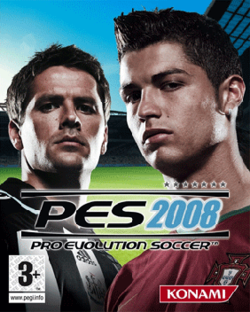

If you grew up in the era when football games still smelled faintly of memory card slots and the internet connection was a mysterious beast called 'dial-up', Pro Evolution Soccer 2008 on the PlayStation 2 feels like opening an old shoebox and finding your best match-winning boots intact. Konami's franchise was the serious, slightly brooding cousin of the more showy FIFA series - obsessed with passing lanes, weight of the ball, and a level of tactical nuance that makes you feel clever when a one-two finally works. PES 2008 landed at the tail-end of the PS2's life cycle and it shows: Konami squeezed a very respectable football sim out of ageing hardware. This was also the year Konami started calling the series PES in the American market, and while the shiny new consoles (PS3, Xbox 360, Wii) got their versions, the PS2 release remained the stable, reliable choice for many. It sold like a breakfast roll at halftime, contributing to the franchise's 6.37 million worldwide sales in 2007, and picked up warm reviews - the PS2 edition sits comfortably in the low-80s on aggregate scores, which is as close to a love letter from critics as a sports sim gets.
Gameplay is where PES 2008 shines like a perfectly timed volley. The PS2 version carries on the series' tradition of prioritising fluid, tactical football over arcade silliness. Passing feels weighty and meaningful: a safe sideways pass isn't just filler, it's a decision. When you thread a ball through a narrow defensive seam, the game rewards you with that delicious sensation of being marginally better than everyone in the room. Master League returns - Konami's addictive career mode where you sign players, nurse the financial health of your club (or ignore it and blame bad scouting), and slowly mould a ragtag squad into champions. For PS2 players this is where hours disappear; you'll start the season with sensible ambitions and end up building an empire named after your own ego. The PS2 release also includes the editable generic league of 18 teams, which players have long used to recreate unlicensed competitions like the Bundesliga or to slap Cristiano Ronaldo in a team called Team A because licensing is a stubborn beast. Controls on PS2 are familiar to anyone who's touched a PES title around this era. There's a learning curve, mostly because the game rewards patience and positioning rather than button-mashing. Tackles have weight, and slide-ins feel risky - commit too eagerly and you'll be screaming at the TV like a referee's personal therapist. The AI is reasonably competent: teammates make runs that actually mean something and defenders can be annoyingly clever, turning your tiki-taka dreams into a slow, existential crisis in the 75th minute. Set pieces are satisfyingly tactical; a well-executed corner can make you feel like a manager with a master's degree in chaos. Where the PS2 edition differs from the Wii or next-gen versions is subtle but important. The Wii went full motion-control experiment and included alternative modes; PS2 stayed conservative, opting for polish and reliability. Commentary for the English version was updated with Jon Champion and Mark Lawrenson, a change that freshened the match-day feel and made the post-match debrief sound less like a history lecture and more like two mates who had opinions. Licensing is a mixed bag: La Liga, Serie A, Ligue 1 and the Eredivisie come fully licensed, while other leagues (the Premier League in this era is only partially licensed) may carry fictional names and crests. It doesn't ruin the fun - most of us call a fake Manchester by its real name in our heads anyway.
Graphically the PS2 version is the sensible one: not flashy, but functional. Player models lack the hyper-real wrinkles of later-gen ports, yet they're recognisable enough - Ronaldo and Owen appear on the cover because they actually look like something you'd expect to see running toward the goal. Stadiums have atmosphere: crowd noise, light, and the odd celebratory flare feel satisfying even if textures can be a bit soft. Pitch detail is good for the hardware; grass looks decent, boots scuff, and the ball behaves predictably. Animations are where PES has always mattered more than the number of polygons. Movements feel purposeful: players feint, shoulder-barge, and make awkward lunges in ways that mimic real-world football rather than robotic choreography. The camera frames the action well for the PS2 era: close enough for tactical reading, far enough to appreciate when your striker does something magical (or your striker embarrasses himself with a two-yard volley into Row Z). Performance-wise the game is steady: no sudden frame-rate tantrums, just a solid match every time.
Pro Evolution Soccer 2008 on PS2 is not a revolutionary title, but it is a quietly excellent example of sports game design. It takes the fundamentals - passing, positioning, Master League management - and tunes them so that each match feels like a believable ninety minutes. For those who prefer strategic buildup and those small, delicious moments when a through ball splits a defence, PES 2008 remains rewarding. If you're looking for bells and whistles, the newer consoles and the Wii offered different takes (and some won awards), but the PS2 version is the workhorse: dependable, tactically rich, and charmingly stubborn. It earned solid critical scores back then and still holds up as a nostalgic reminder that football games don't always need razzle-dazzle to be great. Pop in the disc, pick a patched Bundesliga or your favourite licensed La Liga side, and get ready to explain to your housemate why passing is an art form. After a few matches you'll either be promoted to virtual manager or questioning every life choice that led to conceding a 90th-minute equaliser. Either way, it's fun.
 NHL Hitz Pro on PS2
 Pro Evolution Soccer Management on PS2
 Pro Yakyū Spirits 2019 on PS4
 Accolade Sports Collection on Xbox Series X/S
 Deca Sports DS on DS
 EA Sports College Football 25 on PS5
 Alan Hansen's Sports Challenge on PS2
 ISS Pro Evolution 2 on PlayStation
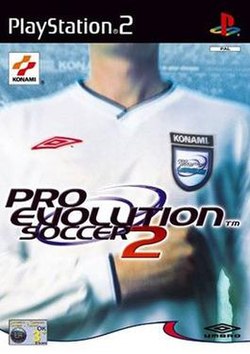
 Pro Evolution Soccer 2 on PlayStation
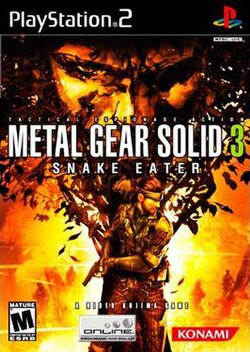
 Metal Gear Solid 3: Snake Eater on PS2
 Metal Gear Solid: Integral on PlayStation
 Pro Evolution Soccer on PS2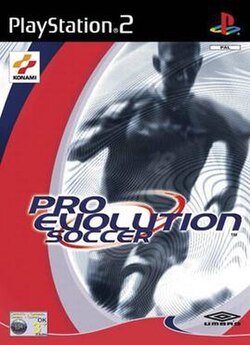












 Another SquareThought Site