

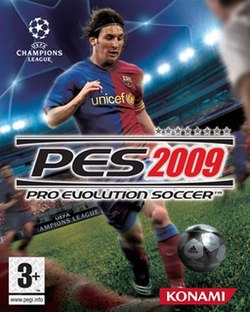

Pro Evolution Soccer 2009 on PS2 arrives like an old-school drama series that refuses to leave the airwaves: familiar faces, some fresh plot twists, and a stubborn lead actor who still has charisma even when the lighting isn't perfect. If this game were a cast of characters, the ball would be the protagonist-mischievous, capable of magical moments, and forever the center of attention-while Teamvision (Konami's AI) plays the brooding mentor who sometimes knows what you want before you do. The PS2 release sits somewhere between nostalgia and limitation; it keeps the series' personality while reminding you that the medium has evolved. For those who remember passing the controller between mates on sleep-deprived nights, PES 2009 on PS2 is comfort food with a few new spices, and every spice comes with its own little story arc.
Cast member: The Ball. The ball's journey in PES 2009 is the emotional core of the piece. Konami rewrote the ball's script with air resistance, new friction routines, backspin calculations and a more believable bounce. This is not mere fluff; it's character development. The ball can now curl like it's wooing a lover, hop like it's dodging an abusive ex, or sit obediently at a striker's feet waiting for destiny. Those flick-ups to tee a shot feel like training montages, and when a perfectly weighted lob clears a defender's trailing leg, the applause is fully justified-even if the PS2's visuals don't quite capture the dewy grass underfoot. Cast member: Teamvision. Previously a supporting player, Teamvision steps closer to the spotlight this year. It's an AI director that watches, remembers and adjusts: tactics morph on the fly, off-the-ball movement gains nuance, and the Master League becomes a soap opera where past match behavior informs future strategy. Teamvision doesn't yell at actors; it reshuffles them, and sometimes that reshuffle makes the whole scene better. The PS2 incarnation still conveys these shifts, though occasionally the AI's introspection manifests as cinematic pauses (read: slow, slightly awkward plays) rather than Shakespearean brilliance. Cast member: The Players. Individual players have expanded repertoires-skilful turns, lifts, and those cheeky flicks that feel like wink-filled aside to the camera. Become A Legend (formerly Fantasista) is the coming-of-age arc for a single player: you start at 17 with dreams in your kitbag, and your choices craft a narrative of ascension, tribulation or humiliating relegation. Even on PS2, this mode scratches an itch for role-playing within a sports sim: triumphs swell like triumphant strings, while poor outings lead to the kind of career nosedives that make a teen's locker-room diary worth a read. Supporting cast: Tactics & Licences. The UEFA Champions League license plays the glamorous guest star that attracts attention-flashy, important, and sometimes incompatible with the rest of the cast. Manchester United and Liverpool show up fully costumed and ready, while many other clubs suffer an identity crisis: real player names with fictional kits and badges. This creates cute little continuity errors in the universe, but the game generously hands the Edit Mode to players so they can rewrite costumes and mend plot holes. Conflict and resolution. The PS2 edition lacks one subplot: the fully editable 18-team generic league, a feature found on other platforms. It's the missing episode in a binge-watch: the show still runs, but one storyline was cut. That limitation can irk those who like to tinker, but for pick-up matches and local multiplayer, the main drama remains intact. The commentators-Jon Champion and Mark Lawrenson-serve as the show's narrators, adding color and occasionally reminding you that this is still a broadcast and not a stage production. Pacing and difficulty. Matches flow with a tempo that rewards patience and craft. The AI's newfound memory can punish repetitive tactics, nudging you toward creativity. On PS2 the engine sometimes lags in spectacle compared with newer consoles, yet the core match choreography-passes, dribbles, defensive shifts-retains a satisfying rhythm. The gameplay arc moves from clumsy opening episodes to polished finales, and those late-game comeback scenarios still deliver soap-opera levels of excitement.
Visual storytelling on PS2 plays like a theater production filmed with a fond but outdated camera. The players' faces are less photorealistic than their next-gen counterparts, but body language and animation tell stories the faces cannot. Animations-especially the new skilful turns and ball bounces-supply the emotional beats: a hurried tackle is a gasp, a deft turn is a smirk, and a misplaced pass is a melodramatic sigh. Stadiums wear their jerseys well, though kits sometimes read like off-brand replicas due to licensing gaps. Coverage from Setanta Sports adds a veneer of broadcast polish, and the overall presentation is competent: the camera angles, interface and replays do the job, even if textures occasionally betray the PS2's vintage wardrobe. In short, the visuals won't win fashion awards, but they suit the story being told and rarely pull you out of the narrative. Sound design and commentary. The announcers function as a chorus-sometimes insightful, sometimes repeating lines as if under tight studio pressure. Music and crowd reaction are well-timed; a late goal still makes the stands roar, and the audio cues help sell clutch moments. The PS2's audio palette isn't the most varied, but it delivers the necessary dramatic beats for a satisfying match-day episode.
Pro Evolution Soccer 2009 on PS2 is less a technical showcase and more a character-driven drama about football's small, human moments. It's the story of the ball that learns to behave more like a living thing, the AI that grows into a cunning tactician, and the young legend who can either rise to superstardom or fade into the reserves. The game's strengths-deeper ball physics, Teamvision's tactical memory, and Become A Legend-offer satisfying arcs that reward commitment. Its weaknesses-licensing quirks, missing edit features on PS2, and aging visuals-are like the creaky furniture in a beloved family home: inconvenient but part of the charm. If you're picking up PES 2009 on PS2 today, you're buying into a well-written season rather than a cinematic revival. The moments of brilliance still land, and the game's personality is intact. For players who value tactical nuance, intimate gameplay moments, and the slow-burn satisfaction of mastering a system, this edition still performs admirably. For those expecting glossy next-gen aesthetics or every feature from newer ports, it's a reminder that even great characters can sometimes be trapped in older sets. Either way, PES 2009's PS2 chapter is worth watching, if only for the ball's occasional beautiful soliloquy.
 NHL Hitz Pro on PS2
 Pro Evolution Soccer Management on PS2
 Pro Yakyū Spirits 2019 on PS4
 Accolade Sports Collection on Xbox Series X/S
 Deca Sports DS on DS
 Alan Hansen's Sports Challenge on PS2
 EA Sports MMA on PS3
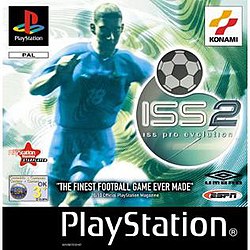
 ISS Pro Evolution 2 on PlayStation
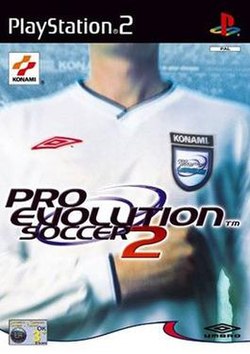
 Pro Evolution Soccer 2 on PlayStation
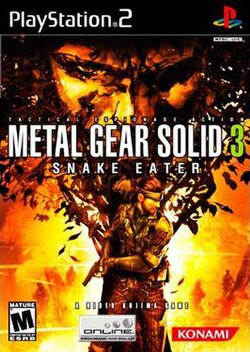
 Metal Gear Solid 3: Snake Eater on PS2
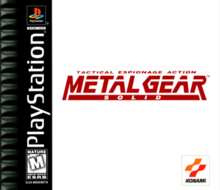
 Metal Gear Solid: Integral on PlayStation
 Pro Evolution Soccer on PS2












 Another SquareThought Site