

 Jul 2008
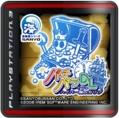

PachiPara DL Hyper Sea Story In Karibu is an unusually specific proposition: a pachinko simulator released on the Japanese PlayStation Store on July 2, 2008. It arrives bearing all the charm of a machine designed to launch tiny metal balls at impossible angles and the quiet dignity of being exactly what it says on the tin. Developed by Sanyo Bussan and published by Irem using PhyreEngine, this PS3 download is single-player, seaside-themed, and perplexingly proud of being a digital approximation of an analogue habit. If you are coming from a world where pachinko parlours are cultural touchstones, this will be familiar territory. If you have never knowingly encountered pachinko, think pinball and slot machines had a polite, gambling-related love child and decided to raise it on tropical postcards. The game is part of Sanyo Bussan's PachiPara series and, true to its lineage, keeps the focus narrowly on the experience of watching balls, lights, and painfully melodramatic sound cues converge into either cathartic reward or resigned annoyance. There is a PlayStation Home Game Space tied to this release (added in the Japanese Home on February 25, 2010), which suggests the people behind it had more faith in communal vanity or avatar-based bragging than sheer human sense. The box copy does not promise narrative twists, moral epiphanies, or transformative gameplay. It simply offers three modes and the chance to watch physics and probability do their thing while the ocean background looks perennially vacation-ready.
The gameplay is honest, and by "honest" I mean functionally identical to what you would expect from a pachinko machine if you replaced the real-world, tactile components with buttons, UI menus, and PS3 controller vibrations. PachiPara DL presents three distinct modes: Sea Mode, Adventure Mode, and Pirates Mode. The manual text available from the official sources is minimal, which is either a mark of confidence or a tacit agreement that any explanation beyond "press buttons and hope" would be an insult to anyone who knows how pachinko works. Sea Mode is the baseline: it is the machine in its bathing suit. This mode is where the series' iconic aquatic aesthetics are most obvious. Lights wink like small, judgmental suns. Tuneful jingles escalate with the sort of enthusiasm usually reserved for infomercials. The objective is straightforward - manipulate ball flow, manage launch power, and trigger slot-like bonus states that reward you with more balls or flashy animations. When you hit the right combination, the game behaves like a gambling establishment that suddenly remembers how to be generous. Adventure Mode tries to provide a sense of progression. It dresses possible wins up as narrative beats. In practice, "adventure" means you get more things to unlock or more sequences of celebratory cutscenes. If you were expecting actual exploration, combat, or character development, Adventure Mode will disappoint you the way a tropical storm disappoints a postcard: visually present, emotionally underwhelming. If you accept that the adventure here is statistical and not existential, the mode offers a little more structure and a series of escalating challenges that keep your hands busy and your expectations modest. Pirates Mode is the only one with a theme that sounds like it was conceived during a meeting that began with "what if we made it... swashbuckling?" It adds pirate-themed visual flourishes and sound effects, and it leans into the theatricality of pachinko by rewarding stringed-together wins with over-the-top pirate cutaways. The worst thing about Pirates Mode is how seriously it takes itself. The best thing about Pirates Mode is that it exists, which is to say it is mildly entertaining in a way that makes you feel slightly triumphant for having encountered it. Mechanically the game is comforting in its predictability. You launch balls, they ricochet and make satisfying metallic noises, and occasionally the machine rewards you with a jackpot sequence. The user interface keeps things simple: launch power controls, a handful of special shot options, and clear indicators when a jackpot window is open. The pace favors patience. Wins are deliberately spaced so that the spectacle remains occasional and emotionally meaningful - or manipulative, depending on how charitable you feel toward a machine designed to keep your attention. There are no multiplayer features in the traditional sense. You cannot gamble against a friend, challenge them to a duel, or trade pachinko balls like video game Pokémon. The PlayStation Home Game Space exists, which suggests a social veneer - an avatar parade where players can gather and possibly indulge in virtual showboating - but the core game is stubbornly solitary. The single-player focus makes sense. Pachinko is, at its base, the experience of a person and a machine quietly conspiring to spend time and, sometimes, cash. The learning curve is gentle. Basic launches are intuitive and the feedback loop - more balls, brighter lights, louder music - is immediate. For players used to complex systems and layered mechanics, the game will feel shallow. For those who appreciate ritualized chance and the specific dopamine hit of a timed animation sequence, it will be exactly as satisfying as a topical documentary about slot machines. Replay value is generated by high-score chasing and the pleasant tyranny of unlockables. There are enough cosmetic and celebratory rewards to keep the curious engaged for a while, but without any deeper meta-systems or online leaderboards (at least as far as the standard release indicates), the motivation to return eventually curdles into nostalgia for the sounds of falling metal balls and the memory of flashing ocean horizons.
Graphically, PachiPara DL is a competent showcase for what the PS3 could render when asked to simulate a toaster-sized carnival device. The game uses PhyreEngine, and it shows: assets are clean, animations are smooth, and particle effects during jackpot sequences are surprisingly earnest. The seaside backdrop is more postcard than real ocean, which suits the game's mood. It wants to be cheerful and vaguely tropical, and it succeeds at being neither ugly nor particularly photorealistic. Machine detail is where the effort is focused. The pachinko board is rendered with the kind of care you reserve for things you know players will stare at for long stretches. Pins, gutters, little scoring alcoves and the chrome sheen of balls are all handled with a tactile affection that translates well to a controller-based experience. Animations when a ball drops into a jackpot pocket are satisfyingly snappy, and the camera work knows to linger on extravagance long enough for the music to wallow in triumph. The soundtrack contributes heavily to the atmosphere. It is peppy, occasionally triumphant, and entirely dedicated to making you feel that something important has just happened when it very possibly has not. Sound effects are crisp; the clank of metal balls is pleasingly authentic. At times the audio design overplays its hand and becomes insistent, but that is not a flaw so much as a design choice intended to mimic the persuasive cheerfulness of an actual pachinko parlor. There are moments when the presentation dips into the uncanny valley of casino-game animation, where cutscene characters smile with a zeal usually reserved for infomercial hosts. Those moments are amusing in the way of seeing a vending machine try to wink. The visual polish does not transform pachinko into a narrative extravaganza - it embellishes it. For fans of the genre, this is adequate and occasionally delightful. For everyone else, it is well-made wallpaper with louder applause.
PachiPara DL Hyper Sea Story In Karibu is not pretending to reinvent anything. It is a faithful digital rendering of a pachinko experience, presented with seaside charm, three themed modes, and a quiet competence that says, "Yes, we made a machine do this." The game's strengths lie in its focused execution: it captures the rhythm, the sensory feedback, and the ritualized highs of pachinko and packages them into a tidy PS3 download. The nostalgia factor and the joy of simulated mechanical sounds are real, and the three modes - Sea, Adventure, and Pirates - provide gentle variety without promising dramatic surprises. If you are already a fan of pachinko or curious about how that particular brand of controlled chaos translates to a controller, PachiPara DL is an agreeable way to spend a few sessions. If you were hoping for a deep single-player campaign, social gambling innovations, or an existential story about the human condition told through falling metal balls, you will be disappointed. The game's single-player focus and the lack of significant online features limit its long-term pull for modern players, but the quality of the core simulation and the charm of its presentation prevent it from being merely a niche curiosity. Score: 6/10. It does what it sets out to do with quiet competence, occasional flashes of visual glee, and the inexorable assurance that, yes, tiny balls will keep falling and the ocean will keep looking sunny. There are worse ways to spend an evening than letting a digital pachinko machine congratulate you for a good five minutes. There are also better ways, but this one is honest about its intentions and earns a modest recommendation for anyone with a soft spot for carnival electronics.
 Persona 4: Arena on PS3
 Toy Story Mania on PS3
 Peggle on PS3
 Pachislot To Heart 2 on PS3
 Thief Simulator on Switch










 Another SquareThought Site