

 Sep 2019


In an era when the arcade cabinet still cast a long shadow over the living room, beat 'em ups were the litmus test of brawling design: simple to pick up, fiendishly hard to master, and loud enough to make your neighbor question the placement of thin walls. River City Girls arrives in 2019 with that same arcade DNA stamped on its sprite sheet, but with a modern WayForward twist - bright cartoon pixels, an unapologetically poppy soundtrack, and a pair of hard‑nosed heroines who refuse to be relegated to the 'girl in distress' trope. You play as Misako or Kyoko, two detention‑skipping students who decide the best way to handle a kidnapping is with elbows, friendship, and a generous use of improvised weapons. The game's pedigree is obvious: this is a Kunio‑kun spin‑off that borrows the open‑street attitude of River City Ransom, then injects it with the visual bravado that WayForward has perfected over the years. The partnership with Arc System Works brings a subtle fighting‑game sensibility to the punch inputs, while the lead designers explicitly set out to make a brawler that looks and feels larger than its retro roots. For anyone who cut their teeth on the 16‑bit era, River City Girls is a nostalgia tonic - but one spiked with modern conveniences like experience points, shops, and an accessible two‑player co‑op that actually encourages showing off your best combo in front of your friend.
The guts of River City Girls are refreshingly familiar and carefully tuned. Choose Misako or Kyoko - they handle similarly but have unique moves and animations that make each run feel slightly different. Two players can team up locally, which is where the game truly sings: reviving a fallen partner by 'kicking their soul back in' feels exactly like the goofy co‑op invention you want from a modern brawler. Progression is built around six main areas, approached in a mostly linear fashion, but the design borrows River City Ransom's freedom to revisit previous zones, hunt for cash, or complete optional fights that beef up your wallet and experience. Combat is intentionally simple: direction plus button for special moves, with complexity emerging from how well you chain these small tools into longer combos. That economy of control is a smart move. WayForward and the co‑director (who came from River City Ransom: Underground) clearly wanted the immediacy of an arcade brawler with the satisfying depth of a fighting game without drowning players in inputs. Enemies drop money, which you spend in shops on food, accessories, and new moves at the Dojo. The RPG layer is light - equipment tweaks stats and new moves expand your toolkit - but it never hijacks the core loop of punching, dodging, and improvising. Environmental interaction is a highlight. You pick up objects, swing them until they break, and watch groups of thugs scatter under a flurry of well‑timed hits. When an encounter starts, chained edges lock the screen and force you to clean the room, a direct nod to the old designs that made hallway fights meaningful. There are six bosses - inventive, characterful set pieces that critics have rightly praised - and beating each one unlocks the next portion of the map. River City Girls also peppers the city with NPCs, sidequests from the inscrutable Godai, and recruitment mechanics that let you coax defeated enemies into joining your roster as summonable allies (only one at a time, mercifully). Experience and money are shared or balanced so the off‑screen partner in single player doesn't get left in the dust - a thoughtful touch for those who play solo but want both characters to remain viable. The penalties for defeat are forgiving by modern standards: lose all stamina and you restart the room with full health but a haircut in cash. It's punitive enough to make a careless brawl sting, yet lenient enough that you keep momentum. The original secret ending drew some ire for feeling unsatisfying, and WayForward patched it based on feedback - an example of developers listening to the community rather than hiding behind a 'we're artists' shrug. If there are limits, they are mostly intrinsic to the genre. The loop of beat, pickup, level up can feel repetitive after long sessions. Some reviewers noted that accessories and the equipment system are often ignorable; they add breadth but not always meaningful depth. Still, the clever boss set pieces, co‑op chemistry, and balanced controls make repetition palatable. When the combat clicks, you'll be chaining hits and grinning like someone who just remembered they beat a high score on the arcade cabinet down the street.
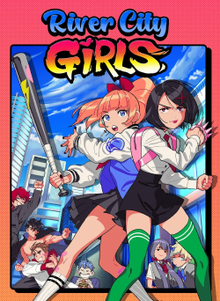
Graphically, River City Girls is an unapologetic love letter to pixel art, but it's the WayForward school of pixel design - chunky, expressive, and loaded with personality. Characters don't just move; they emote. Misako and Kyoko have march‑on‑a‑comic‑panel presence, their idle poses and attack animations communicating more personality than many full‑budget 3D models. The stages are lush with detail: neon malls, shady back alleys, and an atmosphere that feels 'immersive' as the developers intended, with backgrounds that reward a second look. The cutscenes are rendered in a bold illustrative style by Priscilla 'Rem' Hamby, and they give the game a visual glue that links the in‑game sprites to a more modern comic sensibility. That juxtaposition - old school sprites with big, modern portraits - is the game's visual thesis, and it mostly works. Performance on PlayStation 4 is stable; WayForward chose Unity as the engine, and for this sort of 2D romp, it's a sensible match. Soundtrack deserves a special paragraph. Megan McDuffee provides stage music and vocals; Chipzel contributes boss tracks and remixes classic themes. The result is a soundtrack that critics singled out for praise: punchy, melodic, and occasionally downright singable. Boss battles get the extra electronic heat they deserve, and the audio design punctuates each hit with satisfying thwacks and clangs. The whole package sounds like a Saturday morning cartoon opening performed at a small garage punk show, which is exactly the energy the game aims for.
River City Girls is a neat trick pulled off with confidence: it takes a cherished brawler lineage and dresses it in contemporary flair without betraying the simple pleasures that made beat 'em ups great. It is not a revolution, nor does it pretend to be. Instead, it is a carefully tuned, stylish, and occasionally silly romp that respects its ancestors while staking out its own identity. The art and soundtrack are the stars, and the co‑op experience lifts the combat loop beyond mere repetition. A few design choices - a thin equipment layer and an initially controversial secret ending - left some reviewers wanting, but updates and the game's core strength have largely quelled those complaints. If you remember arguing with friends about who could beat which boss on the SNES and you still harbor the faint conviction that a good combo can solve interpersonal drama, River City Girls will feel like home. If you're new to the genre, this is a generous entry point: approachable controls, clear feedback, and a city that rewards curiosity. It earns an easy recommendation at 8/10 - a brawler that knows when to wink at its past, when to throw a chair, and when to let Misako and Kyoko steal the scene.
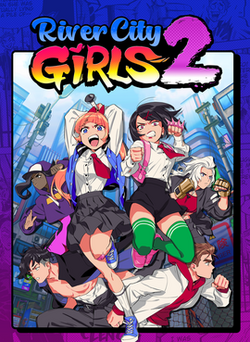
 River City Girls 2 on Switch
 Cities: Skylines Remastered on Xbox Series X/S
 Beat City on DS
 Crisis Beat on PlayStation
 Capcom Beat 'Em Up Bundle on PS4
 Teenage Mutant Ninja Turtles: Mutants Unleashed on Xbox Series X/S
 Shantae Advance: Risky Revolution on PS5
 Mighty Switch Force! Collection on PS4
 Advance Wars 1+2: Re-Boot Camp on Switch
 River City Girls on PS5
 River City Girls on Switch










 Another SquareThought Site