

 Jan 2015
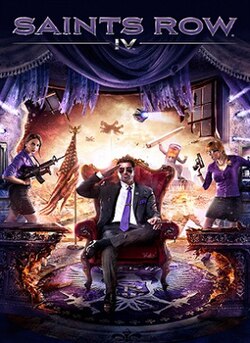

Saints Row IV: Re-Elected arrives on PS4 like a circus cannon loaded with superpowers, dubstep and the faint whiff of a studio that decided subtlety was dead and buried under a pile of exploding alien ships. If you missed Saints Row IV on last-gen consoles, the Re-Elected edition bundles the base game with its DLC buffet and ports it to current hardware. The basic pitch is gloriously simple: you are the President, aliens invade, you get superpowers, and everything you thought you knew about reasonable mission design quietly retires to a beach. The result is an outrageous, often brilliant playground of ridiculousness that treats videogame logic like an open invitation to chaos. It also sometimes feels like a very expensive joke that forgot to leave enough of a puzzle in the punchline. Which is not necessarily a bad thing-unless you were hoping for challenge or restraint.
The core of Saints Row IV is an open-world action romp set in a simulated Steelport. If you've played Saints Row: The Third, you will feel immediately at home-except now you can jump over skyscrapers, sprint so fast the traffic files a missing-vehicle report, and throw taxis like confetti. The shift from cars to powers fundamentally changes how the game plays. Where previous entries leaned on vehicular mayhem, Saints Row IV hands you movement and destruction upgrades until you're essentially a sandbox deity. The skill tree and collectable data clusters give you the usual RPG-lite progression: invest points, unlock elemental attacks (fire, ice), telekinesis, shockwaves and other gifts that make bodies behave like ragdolls in a wind tunnel. It's satisfying in the way that a superhero cardio regimen might be satisfying: once you master the jump, traversal becomes less of a chore and more of an exercise in impressive landscaping. Missions run the gamut from ballistic dubstep gun theater to side-scrolling brawlers, and the game gleefully parodies sci-fi staples-think Mass Effect pastiche, Matrix simulations and BioWare romances with a wink. The narrative premise (you, the elected leader, are trapped in a Zin simulation after an alien invasion) hands Volition carte blanche to shift tones by chapter: a 1950s sitcom one minute, a daikaiju energy drink boss fight the next. Those tonal swings keep the campaign from becoming monotonous, but they also underline a weakness: with so many toys at your disposal, the sense of meaningful challenge evaporates. Enemies drop power-ups like party favors, health decay is infrequent, and death is a punctuation mark rather than a consequence. Reviewers called it 'enabling god-like cheat codes' and they were not wrong. Side content mostly doubles as mayhem currency. You liberate districts to boost hourly income, grind out collectibles for ability points, and take part in ludicrous diversions such as Insurance Fraud and superpowered foot races. The co-op adds a buddy component that is exactly what you'd expect: more chaos, shared laughs, and slightly less reason to ever play carefully. Customization remains a highlight-character editor options are robust, letting you sculpt an avatar that ranges from meticulously terrifying to endearingly absurd. DLC and the Re-Elected package bundle in mission packs like Enter the Dominatrix and seasonal silliness like How the Saints Saved Christmas, which expand the already elastic tone and, in the case of the Dominatrix content, provide meta-commentary by breaking the fourth wall and leaning into an intentionally unfinished vibe. Where the game earns both praise and criticism is in its design trade-offs. Volition focused on fun over fidelity; superpowers make traversal and combat joyous, but they also chew through the sense of place and stakes. The map becomes less a city to care about and more an obstacle course built to be wrecked. For players who want to feel unstoppable, it's cathartic. For players who enjoy incremental difficulty and the tension of risk, it can feel like a long, pretty show without many hurdles.
Visually, Saints Row IV is comfortable in its own identity: colorful, cartoony and theatrically overblown. Volition admitted they deliberately didn't spend development cycles polishing next-gen visuals-the game prioritises variety and spectacle over cutting-edge fidelity. The PS4 Re-Elected port by High Voltage Software smooths out frame issues from last-gen versions and packages all DLC, but it doesn't fundamentally transform the game's aesthetic. Textures and facial animations occasionally read as last-gen vestiges, while set-piece designs-especially the surreal simulation-based missions-deliver memorable, creative tableaux. The simulation conceit lets the art team swing for the fences with absurd environments, whether that's a retro 50s suburb or the inside of a busted boss-mech. The dubstep gun and other novelty weapons are visually and sonically iconic, even if the former is mechanically underwhelming. Overall, the graphics do the job required: they sell the game's ridiculous premise and keep you visually entertained, even if they'll never be used as a PS4 showcase in electronics stores.
Saints Row IV: Re-Elected is a wonderfully unrepentant exercise in player empowerment. It doesn't want to be subtle; it wants to make you laugh, feel absurdly powerful and occasionally wonder how many neon flamingos it takes to topple a Zin cruiser. The Re-Elected edition is the definitive home for PS4 players who want the full, chaotic package with DLC included. Its flaws are not insignificant: a lack of challenge, moments where the open world feels like an afterthought, and visuals that occasionally show their age. Yet the strengths-superb customization, wildly inventive mission variety, and unapologetic humor-make it easy to recommend for anyone in the mood for an over-the-top sandbox. If you want a tight, tense experience, look elsewhere. If you want to be the President, punch a giant energy drink and ride a bald eagle jet into an alien armada while a dubstep anthem plays, then congratulations: Saints Row IV has your name on it. Score: 7.5/10-for those who prefer their sandbox served with a side of absurdity.
 Saints Row: Gat out of Hell on PS4
 Saints Row on Xbox Series X/S
 Project Awakening on PS4
 Tintin: Destination Adventure on PlayStation
 Digimon World Data Squad on PS2
 Action Man: Operation Extreme on PlayStation










 Another SquareThought Site