

 Aug 2020
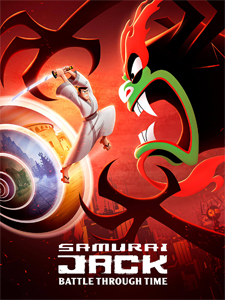

If you've ever wished the stoic samurai hero from your childhood cartoons could leap out of the TV, slice through a few robot alligators, then take a detour through a time-warped greatest-hits tour, Samurai Jack: Battle Through Time is basically that dream with a stamina bar. Built by Soleil and published by Adult Swim Games, the title was released in August 2020 and officially slots into the series' canon as a quirky alternate thread to season five. The game tries to do two jobs at once: scratch the hack-and-slash itch and give fans a nostalgia-fueled buffet of familiar faces and locales. Sometimes it succeeds spectacularly, and sometimes it reminds you that even legendary swords can get dull after repeated use. Still, it's a solid pick for anyone who wants to feel like they're living inside the cartoon while occasionally getting punished for button-mashing.
Battle Through Time keeps things brisk and focused: you play as Samurai Jack, moving through nine story levels that retread memorable moments from the show's future timeline - except everything is slightly warped because Aku decided to play Scrabble with time. The setup is simple, which is part of the charm. Levels are mostly linear with a few branching paths, treasure chests to find, and little side encounters with NPCs like the ever-hardy Scotsman or the smug Da' Samurai, who may or may not sell you a weapon you don't need but will definitely want. Combat is the game's beating heart. Jack has a mix of melee and ranged options, from his trusty magic katana (the one weapon with true staying power) to a rotating cast of fragile toys: throwing knives, bows, guns, and novelty swords that break if you sneeze on them. Melee emphasizes chaining light and heavy attacks into combos, cracking enemy blocks, and timing dodges or counters. The special "kiai" attack, built up during fights, is a nice cinematic payoff and lets you feel briefly invincible - like a samurai superhero with a charge meter. Ranged weapons offer variety but are hamstrung by durability or ammo limits, which forces you to mix up your approach rather than spamming one move until the credits roll. There's some light RPG dressing: you collect items and currency to spend on a skill tree that upgrades Jack's moves and stay alive longer against foes. The game scores you at the end of levels on speed and combat performance, with penalties for using items or dying, encouraging cleaner runs if you're the completionist type. Difficulty settings range from "Jack" to the intimidating "Master of Masters," and they genuinely affect enemy numbers and toughness, so the game scales pretty well depending on whether you want to chill or be punished. Boss encounters lean into fan service. Expect to re-fight series villains and face versions of yourself (literally) and other iconic enemies, often with moderately inventive gimmicks. There are also occasional 2.5D stretches where movement is constrained to forward and back, and a handful of platforming segments sprinkled in for variety. After finishing the story, the game unlocks arena-style challenges with restrictions and modifiers, which extend replayability for folks who like score-chasing. The narrative mostly reads like a highlight reel of Season Five: Jack hops from mines to swamps to castles, smashing Aku's pendants that hold corrupted memories, and gradually unwinds the timeless realm puzzle. The writing involvement of Darrick Bachman and Genndy Tartakovsky's blessing keeps the tone faithful to the original, and many of the season 5 voice actors reprised their roles, which makes the dialogue and character moments land with more emotional weight than your average licensed tie-in. Where the gameplay stumbles is mostly in pacing and repetition. Some levels feel like extended combat corridors without enough mechanical surprises, and weapon durability can sometimes feel like artificial life support for difficulty rather than meaningful choice. Still, for fans of the show and players who enjoy smooth, satisfying swordplay with occasional cinematic flourishes, the core loop is fun and approachable.
Running on Unreal Engine 4, Battle Through Time aims to translate the show's stark silhouettes and dramatic framing into 3D. The game doesn't reinvent cell-shading, but it does a respectable job of making environments and characters recognizable and stylized in a way that reads like a living cartoon. Enemies are distinct, levels evoke the right moods (murky swamps, robot graveyards, and glowering towers), and the animation on big moves looks snappy. Voice work is a major plus here: hearing Phil LaMarr as Jack and familiar actors in supporting roles makes cutscenes pop. That said, the visuals occasionally wobble between charming and serviceable. Textures and background detail can look a bit bland on the PS4 compared to shinier modern titles, and the camera sometimes shifts into angles that make platforming or combat awkward. It's not ugly - far from it - but it's not the graphical showcase of the console, either. Think of it as a lovingly animated fan project that sometimes forgot to hire a texture artist for the stretch goals. For fans who care more about style and authenticity to the show than pixel-perfect fidelity, the presentation gets the job done.
Samurai Jack: Battle Through Time is the sort of licensed game that remembers it's primarily playing to a fanbase and leans into that strength. It's canon-friendly, voiced by many of the original actors, and packed with callbacks that will make longtime viewers do a pleased little grin every few minutes. The combat is serviceable and enjoyable, with a few satisfying boss fights and a kiai scream that never fails to feel dramatic. However, repetition, weapon durability quirks, and occasionally bland visuals keep it from being a must-play for everyone. If you're a fan of the series, or you just want a short, punchy action-adventure with a strong sense of style and character, this is a neat time-travel ticket worth buying at a discount or grabbing during a sale. If you want a deep, mechanically complex hack-and-slash that reinvents the wheel, you might find it a little light. On the PS4 the reception was mixed but fair, and my score of 7/10 reflects a game that's enjoyable, occasionally brilliant, and unapologetically fan-oriented. Play it for the nostalgia, stay for the sword-fu, and don't forget to collect the kamons if you're hoping for an alternate happy ending (because who doesn't want a samurai rom-com secret ending?).
 Lightning Returns: Final Fantasy XIII on PS3
 Samurai Jack: Battle Through Time on Switch
 PlayStation Home on PS3
 Ōkami on PS2
 Gaelic Football '25 on Xbox Series X/S
 Unearthed: Trail of Ibn Battuta on PS3
 Naruto to Boruto: Shinobi Striker on Xbox One
 Ninjala on Switch
 Valkyrie Elysium on PS5
 GaiaSeed: Project Seed Trap on PlayStation










 Another SquareThought Site