

 Sep 2025
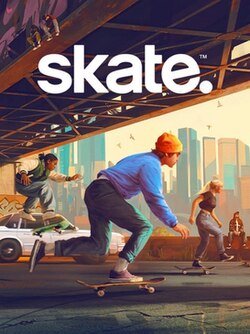

skate. arrives on PS5 with the kind of quiet confidence you get from someone who knows their trick is good but still wants you to applaud. It is a soft reboot of the beloved Skate series, rebuilt by a new EA studio called Full Circle and populated by several veterans from the original team. The game markets itself as a free-to-play, sandbox-style multiplayer playground set in a fictional city called San Vansterdam, and it leans hard into community-driven content, cross-platform play, and a model that requires you to be online forever, which is lively and slightly ominous. Early access opens the gates and invites players to flick their way into a world of parkour, ragdoll physics, and an economy full of something called "San Van bucks."
If you come to skate. expecting a flashy arcade experience, you will be delighted to discover a mechanic that quietly refuses to be flashy and instead rewards nuance. The game's signature "flick-it" control - the stick-based trick input that made the old Skate games feel like performing a small miracle with your thumbs - is back, and it still works like a spell. Timing and subtle stick movement produce tricks that look as if you actually know what you're doing, which is either satisfying or a cruel tease depending on your coordination. The world is structured more like a persistent MMO than a single-player campaign: there are missions, seasonal events, tasks that feel like objectives, and a social layer that is meant to make skating feel like hanging out rather than completing a checklist. Movement isn't limited to just boarding. Parkour mechanics let characters vault and climb when the pavement gets boring, which helps give San Vansterdam some vertical variety beyond the expected set of rails and gaps. The ragdoll physics applied to wipeouts is a little cartoonish, which provides comedic relief and a reminder that dignity is a consumable resource. Multiplayer is central: the game is built around bumping into other players, racing them, or collectively trying to pull off chaotic group stunts. Despite that, the early access build has drawn criticism for feeling oddly empty at times. The promise of a bustling skate city is undermined when NPC populations are thin and, at moments, your fellow players seem to be busy doing nothing in particular. Progression is a live service by design. Free-to-play status means anyone can jump in, but the economic underpinnings are visible and vocal. The in-game currency, San Van bucks, is used to buy cosmetics and items, and these currencies come in free and premium flavors. Microtransactions are present - Full Circle insists there are no loot boxes, pay-to-win mechanics, or paywalled districts - but the store's offerings and pricing balance have already drawn wary looks from players and critics who fear cosmetic gating will steer people toward spending. The developers claim their early inclusion of microtransactions is intended to smooth the experience of buying items later; players call it strategic guestures between 'welcome' and 'please open your wallet.' Content-wise, skate. is more about systems than a linear story. There is no traditional offline campaign: the game requires an online connection with the stated aim of delivering a persistent skate world. This decision earned the project a fair share of scrutiny, given how online-only games can become unplayable if servers are shut down. That possibility has been compared to previous online-only titles that became inaccessible post-shutdown. The reward structure, missions, seasonal events, and battlepass-style calendars often feel like they lean into contemporary live-service design, for better and worse. If you like the feel of a game that evolves over time and treats players as participants in an ongoing show, you'll appreciate that. If you wanted a private backyard to practice tricks in peace without the looming specter of microtransactions or server dependence, skate. will start feeling like a crowded mall at closing time.
Graphically the PS5 build shows the Frostbite engine doing what Frostbite does: clean geometry, crisp lighting, and a city that tries to look stylized yet believable. Early footage from mid-2024 to mid-2025 demonstrated steady improvements in fidelity, and by early access the visuals had a polished sheen. The art direction takes a safer route than the franchise's edgier past; it's often described as "Fortnite-esque" in its friendly, sanitized look. That choice has split opinions. Some reviewers appreciate the clarity and accessibility of the aesthetic, while others feel the city looks too tidy and uninhabited - like a skateboard-themed mall after hours. Level design borrows from real-world inspiration, with hints of Downtown Los Angeles and other urban skating landmarks informing San Vansterdam's layout. The city includes alleyways, plazas, rooftop lines, and signature urban features that encourage experimentation. Unfortunately, the population density problem leaks into the visual experience: empty streets and limited NPC interaction make large open spaces feel hollow. Animation quality for tricks is excellent when the flick-it system connects, but character models and some NPC behaviors tilt toward the uncanny valley of overly generic avatars, which undermines the lived-in atmosphere the developers claim to be aiming for. Ragdoll moments are visually amusing, and environmental detail scores points when you're scouting a line, but the whole package sometimes looks like a very nice stage set with fewer actors than expected.
skate. on PS5 is an odd, earnest thing: at once a love letter to the flick-it mechanics that defined the series and a product born into the modern world of live services. The core gameplay - the joy of pulling off a perfectly timed trick, the tactile satisfaction of the stick controls, the simple pleasure of discovering a new line - still works and is often brilliant. The sandbox multiplayer concept has potential; when the servers are full and players interact, San Vansterdam can feel lively and fun. The problems are also apparent: the online-only approach ties the game's fate to server health and the whims of live-service economics, the city can feel deceptively empty, and the store's premium vs. free offerings leave a sour taste for anyone allergic to aggressive monetization. This is a promising early access that knows how to make a trick look effortless and how to nudge players into staying for the long term. It is, however, not immune to the elephants in the skatepark - monetization, population density, and the lack of an offline mode are all substantial. If you care more about nailing combos, meeting other skaters online, and watching a ragdoll make a poetic exit off a ramp, you should be entertained for hours. If you require a robust single-player experience or prefer your games to be playable in a post-server-apocalypse world, you might want to wait and see how Full Circle navigates the seasons, the store, and community feedback. For now, consider it a work in motion: sometimes graceful, occasionally awkward, and always trying to land the next trick.
 Skate It on DS
 Disney's Extreme Skate Adventure on PS2
 Tokyo Ghoul: re Call to Exist on PS4
 Accolade Sports Collection on Xbox Series X/S
 Olympic Games Tokyo 2020 - The Official Video Game on Switch
 Tiger Woods PGA Tour 2000 on PlayStation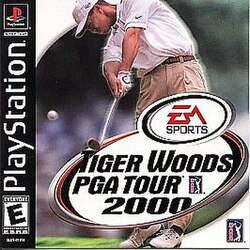










 Another SquareThought Site