

 Jan 2021
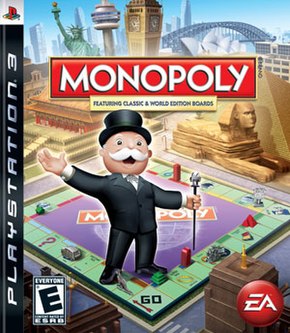

Monopoly Madness landed on the Switch in 2021 as another digital turn at the evergreen wheel of capitalism that is Monopoly. If you already know the board game, you know the core loop: roll dice, buy property, dodge rent, bankrupt friends. The video game versions have been around since the 1980s and tend to follow the same rules, spawning single player with computer-controlled opponents or multiplayer matches. This review zeroes in on what actually makes Monopoly Madness challenging, and what skills you need to win without complaining about the dice gods. Think of this as less of a fluff review and more of a practical grimoire for budding property barons who want to stop blaming Lady Luck and start outplaying their roommates.
Monopoly is a strange hybrid of chaotic chance and slow-burn strategy, and Monopoly Madness doubles down on that tension. The challenge comes in several layers, each demanding a different skill set and mental muscle. Probability and risk assessment The most obvious head-scratcher is the dice. They force you to accept randomness, but that doesnt mean you can't manage risk. Understanding distribution of dice rolls is basic and essential: most moves end up around the seven space mark for two dice. Good players use that knowledge when deciding whether to build houses, mortgage properties, or keep cash in reserve. In digital versions like this one, where the rules mimic the classic board game, mastery of probability turns the dice from a tyrant into a temperamental ally. If you fancy yourself above mere superstition, learn the numbers and stop making panic trades after a single bad roll. Resource and cash flow management Monopoly Madness punishes poor cash flow the way a landlord punishes late rent. The main skill here is financial forethought. Buying everything impulsively feels powerful early, but overextending into full hotel mania without a rainy day fund leaves you vulnerable to a triple rent square and a rapid descent into bankruptcy. Savvy play balances aggressive property acquisition with maintaining a liquidity buffer, plus tactical use of mortgages when a bad turn hits. Unlike some video games that reward relentless spamming, this is a patient player's game; the ability to anticipate payouts and stagger house purchases matters. Negotiation, psychology, and reading opponents If the game generates computer opponents, you still need a diplomatic skill set. The doc notes that single player modes will spawn AI players, which changes the dynamic compared to human opponents but doesnt remove the negotiation element entirely. In multiplayer, negotiation is everything: trades, sweeteners, timing. The artful lie, the believable bluff, the coldly pragmatic offer to trade a monopolized color for cash and two mid-tier properties - these are high-skill plays. Even against AI, recognizing the bot's tendencies and baiting them into unfavorable deals is a skill. Social acuity is underrated in board games, and Monopoly Madness rewards those who can say the right thing at the right time and sense desperation in others. Tactical building and monopolies There is the textbook advice - get a monopoly, build houses, then hotels - but the tactical depth is in the timing. The optimal house count on your color set depends on available funds, opponent cash reserves, and board position. Sometimes freezing at three houses and preventing hotel upgrades is more punishing to opponents than going all in. You also need to know which colors are worth the game: orange and red often perform better statistically than the pricey dark blues, because they're landed on more frequently. Auctions are another underappreciated mechanic; letting a property go to auction can be a deliberate trap for cash-poor opponents. High-level play uses auctions to siphon resources away from rivals and to acquire bargains. Endgame calculation Monopoly transitions from expansion to attrition. When properties are plentiful and the board is full of houses, decisions become binary and errors lethal. Here you need mental arithmetic on speed: calculate total rent potential, consider that your opponent will land on your color with a certain probability before they go bankrupt, and figure out if a trade or mortgage will extend your life by enough turns to recover. This is the part of the game where patience and discipline pay dividends. Panic-selling assets or making desperate trades rarely returns value. Adapting to AI behavior and single player quirks Since Monopoly Madness follows the established pattern of generating computer-controlled opponents, understanding how the AI behaves is useful. Video game AIs often have heuristic biases: being either too conservative with trades, or too reckless with money. A smart player studies those patterns and exploits them; if the AI never counters an aggressive trade, push that angle. If the AI overvalues certain properties, use auctions. The challenge isnt just mastering the rules, but mastering the opponents. Time management and pacing Turn-based doesnt mean leisurely. Digital matches can still drag if players amass endless properties without decisive action. The game's pacing forces players to make choices in a reasonable time, and good players manage their mental maps so they can analyze trades and cash positions quickly. Speed of calculation and decisiveness are skills here; indecision leads to missed opportunities and gives other players time to pivot. Meta-challenges: psychological tilt and group dynamics Monopoly is a litmus test for tolerance and emotional regulation. Losing a chain of rolls and seeing your balance evaporate triggers tilt, which leads to catastrophic trades and reckless re-entries into the market. The best players keep emotions clipped, treat bad luck as a temporary variable, and plan a comeback. Group dynamics influence strategy as well: alliance formation, temporary truces to take down a runaway leader, and deliberate targeting of perceived threats add a social warfare layer. The digital format preserves these dynamics in online or pass-and-play modes where available, and the skills translate directly back to the physical table. Overall challenge profile Monopoly Madness is less reflex-driven than a shooter and more comparable to chess with a coin flip. Success requires a toolkit: probabilistic thinking, financial planning, negotiation, adaptation, arithmetic speed, and emotional control. If you prefer games where every action is reversible with a quick reload, Monopoly will frustrate you; here decisions compound over turns and consequences can be permanent.
Monopoly video games have historically oscillated between functional board-readability and attempts at 3D razzle-dazzle. Some past entries experimented with cutscenes and 3D pieces, while other releases prioritize an uncluttered UI. For Monopoly Madness on Switch, the important part is legibility. The board must communicate rents, houses, and who owns what at a glance, and the digital interface often helps by summarizing mortgage status and potential incomes for quick decision making. The series has also used console-specific features before, such as the Joy-Con HD rumble on certain Switch releases, which added tactile feedback to dice rolling for a sense of physicality. From a challenge standpoint, graphics matter when they either aid comprehension or create friction. Nice lighting and animated tokens are delightful but irrelevant if the owner markers are hard to read or the trade interface is clunky. Monopoly Madness seems to respect that balance by presenting information clearly, focusing the flash where it feels rewarding rather than obstructive. Players who get distracted by visual clutter will find it an avoidable handicap; turn off unnecessary animations and the challenge becomes purely strategic rather than sensory overload. The visuals do a solid job of supporting the mental tasks the game demands.
Monopoly Madness on Switch is a competent digital translation of the classic board game with the same blend of luck and layered strategy. Its primary challenge is not the dice but the decisions you make around them. This is a game that rewards thoughtfulness: probability awareness, cashflow discipline, negotiation skill, and the emotional fortitude to stick to a plan when the board turns mean. If you want reflex tests, look elsewhere; if you want a tactical slow-burn where a single trade can ripple into victory or ruin, this is prime territory. The AI opponents provide a decent single player proving ground, but the real crucible remains human multiplayer, where psychological skills and bargaining craft shine. Score wise, the game lands a solid 7 out of 10. It does many things right and keeps the classic mechanics intact, while offering a platform for genuine skill expression. It doesnt revolutionize the formula, and if you hate the element of chance in Monopoly you wont be converted. For everyone else, especially those who relish long, strategic sessions and want to practice real skills like negotiation and risk management, Monopoly Madness is a useful and entertaining training ground. Bring snacks, a notepad for quick math, and a calm voice for trades - youre going to need all three.
 Monopoly Madness on Xbox Series X/S
 Asterix: Mega Madness on PlayStation
 Coloball 2002 on PS2
 Press Your Luck on PS3
 Game Dev Story on PS4
 Trivial Pursuit on PS3










 Another SquareThought Site