

 Jan 2019


MotoGP 19 on Switch is Milestone's attempt to cram the top-level motorcycle Grand Prix paddock into a handheld experience. If you like your racing sims with tyre smoke, telemetry graphs and the faint existential dread that comes with mastering a 1,000cc prototype, this is the portable-sized edible candy bar of that meal - tasty, dense and likely to give you indigestion in the long run. The Switch port carries the trappings of a simulation-first MotoGP title: official teams, circuits and a focus on setup, but it also carries the compromises you expect when trying to make a physics-heavy PC/console simulation run on Nintendo hardware. This review will look under the fairings - braking, traction, tyre wear, fuel strategy and the engine map - and then take apart the graphics and performance like a meticulous mechanic with mild PTSD from a highside.
What MotoGP 19 tries to do, admirably, is mirror the technical vocabulary of the real championship. The game leans hard into setup variables that matter in the real world: chassis stiffness, swingarm geometry, suspension compression and rebound, preload, holeshot settings, and multiple engine maps. Those are not cosmetic sliders; the game ties them into tangible handling changes. Changing rear preload alters your mid-corner balance; fiddling with damping changes how the bike recovers from a bump and how quickly weight transfers. That level of granularity is rare on Switch ports and gives the title a genuine simulation feel. Tyre wear and compound choices are modelled in a way that rewards planning. The MotoGP championship revolves around a grip-vs-longevity tradeoff and the in-game tyres behave accordingly: the soft option gives quicker sector times early on but turn-in and corner exit degrade sooner, forcing you to manage temperature and slip angles. The wet-weather mechanics include flag-to-flag bike-swaps and different rotor/tyre behaviour - the game reflects the real-life ban on carbon brakes for wet tyres by simulating weaker braking performance until temperature is restored. It's a nice nod to the sport's rulebook and gives wet races a distinct rhythm: cautious opening laps, progressive pace build, and a higher chance of unexpected leaderboard permutations. Electronics are more than a checkbox. Traction control, engine braking and the anti-wheelie systems are configurable and produce predictable outcomes: with low TC you feel the rear squirm under throttle, and the game's physics can punish a greedy thumb with a lowside. Highsides are rarer - appropriately so - but they exist if you ignore the slipping/regrip dynamic. The interaction between power delivery (>290 bhp for current-class bikes) and traction management is where the game shines; you can sense the torque curve fighting the tyre's grip the same way you read about in technical MotoGP coverage. Fuel management also matters on longer settings: reduce fuel and the bike feels livelier, increasing your top speed and acceleration slightly, but you risk running out or having to nurse a fading engine map late in the race. The career and bike development systems are intelligent in principle. You manage engineers and upgrade parts that influence weight, power delivery and aerodynamics. Instead of pure abstract RP numbers, upgrades map to real-world outcomes: marginal gains in corner speed, reduced fuel consumption or improved cooling. This pushes players toward trade-off decisions that mirror manufacturer engineering - lighter components can cost reliability or change weight distribution in ways you must adapt to through setup. AI and racecraft are mixed. On paper the AI respects racing lines, brakes zones and tyre life, but it can be inconsistent in traffic. Overtaking at the limit will sometimes trigger believable defensive moves, and other times the AI will either be oblivious or hyper-aggressive. The net effect is still better than arcade-minded kart racers: there are moments where strategy and setup beat brute force. Where the Switch port stretches the game's ambitions is in the input layer. Steering via analog sticks, with optional gyro steering, gives surprisingly precise control when paired with lower assistance levels. Players who invest time in learning the throttle modulation needed for corner exits will be rewarded; the simulation does not let you 'hold the trigger and pray.' However, small input latency spikes can make the bike feel less predictable during peak load changes, which is an issue tied to the CPU/GPU budget of the platform rather than the underlying physics model. For purists this is a noticeable, if not crippling, complaint. Multiplayer and time-trial modes are functional; they offer the typical leaderboard-driven carrot. The replay/telemetry tools are useful and - this is important for technical riders - let you inspect lap-by-lap tyre degradation and throttle traces. If you want to tinker with data to shave tenths like a professional, the game gives you those toys, even if the Switch's limited screen real estate makes long data sessions slightly fiddly.
Graphically, MotoGP 19 on Switch feels like a scaled-down engineering diagram of its bigger siblings. Textures are simplified, crowd density reduced, and trackside detail level is dialed back to preserve frame pacing. That said, Milestone gets the core visual signals right: bike models are recognisable, leathers carry sponsor placement accurately, and tyre deformation & contact patches during braking/lean look convincing in motion. The HDR-like bloom and specular highlights of plastic fairings are softened but present. Where the port disappoints is resolution, draw distance and frame-rate consistency. On a docked Switch you're looking at a lower internal resolution compared to PS4/PC builds, and on handheld mode that resolution drop is more apparent. Draw-in of distant objects and occasional texture pop are visible on faster corners, and shadows can adopt a blockier look that saps depth perception on technical braking zones. The real problem for a simulation is frame pacing: the engine needs a stable animation rate to keep rider inputs matched with physics updates. The Switch behaves acceptably on calm laps, but during bunched racing or weather transitions (when the game has to juggle tyre/wet-state physics), frame dips become more frequent. Those dips translate directly into control feel - braking markers and corner apex timing that were crisp on higher-end platforms become slightly mushy here. Audio design is competent. Engine notes are aggressive enough to convey power without being symphonic masterpieces. Tyre squeal, gravel hits and ambient crowd noise are mixed to serve gameplay feedback more than immersion, which is a smart prioritization on a weaker platform. If you want the visceral rumble of a MotoGP bike, hook up good headphones - directional cues for overtaking and the sound of the engine in different rev bands still provide useful driving information.
MotoGP 19 on Switch is a platform-driven compromise with a serious racing soul. Milestone's focus on setup fidelity, tyre management and electronics modeling gives the title genuine simulation credentials. For technical riders who love tweaking chassis geometry, tuning damping curves and reading telemetry, the game delivers a satisfying toolkit. The Switch-specific compromises - lower resolution, occasional frame-rate instability and some input latency- are unfortunate but predictable. They don't ruin the simulation, but they blunt its very sharp edges. If you want a pocketable MotoGP with real engineering depth and are willing to forgive graphical and performance concessions, this is a solid buy. If you crave the smoothest, most graphically rich simulation experience possible, the PC/console versions will serve that appetite better. Score rationale: 7/10. The physics and systems are the heart and they beat strongly; the Switch's hardware limits are the lungs that wheeze under sustained load. For players who prioritize mechanical fidelity and can stomach the visual downgrades, MotoGP 19 on Switch is an impressive technical achievement. For anyone who treats simulation as an uncompromising religion, consider it a portable practice bike rather than the full factory machine.
 MotoGP 18 on Switch
 MotoGP 15 on PS4
 Roary the Racing Car on DS
 Team Sonic Racing on Switch
 Garfield Kart: Furious Racing on Switch
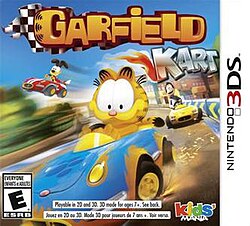 Ben 10: Galactic Racing on PS3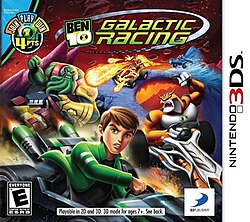
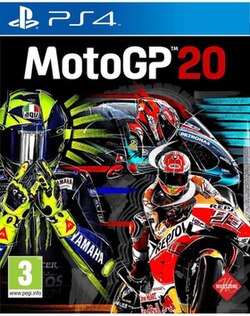 MotoGP 20 on Xbox One
 Monster Energy Supercross: The Official Videogame 4 on PS5
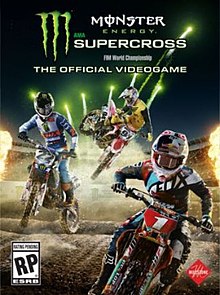 Monster Energy Supercross 4 on PS4
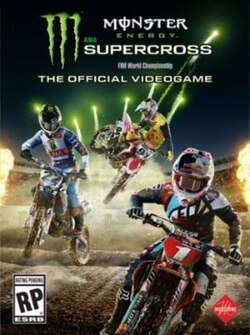 Monster Energy Supercross 2 on PS4










 Another SquareThought Site