

 May 2017
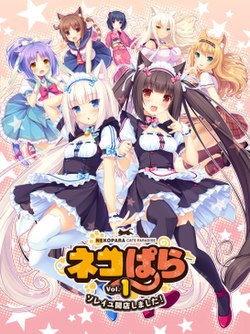

Nekopara Vol. 3 strolls into the pâtisserie like a cat wearing a beret: cute, slightly theatrical, and smelling faintly of sugar. If you already know the series, you know what to expect - a cosy, character-driven visual novel about Kashou Minazuki and his family of highly expressive catgirls who help run La Soleil, his little pastry shop. Vol. 3 doubles down on the heart of the franchise: warm domestic scenes, slice-of-life sweetness, and an animation system that keeps the girls in motion instead of frozen mid-moe. For Switch owners who want a portable sugar rush, the 2018 port brings the familiar cast to Nintendo's handheld/home-hybrid, and the result is very much 'tea and cat ears' material. If you came here expecting branching gameplay or heavy player agency, you might as well have ordered a croissant and tried to steer it with a spoon - this is a linear visual novel, and it proudly is.
Nekopara is very much a reading-first experience. The core gameplay loop is simple: read, enjoy the banter, admire the character scenes, and occasionally click to advance the text. There are no meaningful choices or divergent routes in the traditional sense for Vol. 3 - the story is pre-baked and lovingly served. That's not a bug if you like storytelling that plays out like a comfy anime episode you control the pause and play for; it's a feature. The series is fully voiced (the protagonist is the one silent, stoic, lucky chap), giving the catgirls plenty of vocal life. On top of that, the E-mote system animates character sprites - not full 3D, but subtle moves, blink cycles, and expressions that stop the visuals from feeling like a pretty PowerPoint. Vol. 3's narrative keeps the focus on La Soleil and on the bond between Maple and Cinnamon. Maple, the aspiring singer with a secret insecurity about her chances, and Cinnamon, who tends to interpret everything with a little too much enthusiasm, are front and center as the volume explores themes of aspiration, support, and friendship. The plot manages to stay sweet without leaning into cloying territory, and it finds emotional beats among the daily work routines and musical dreaming. If you're invested in the cast - and the Nekopara demographic most definitely is - Vol. 3 pays dividends by deepening relationships rather than reinventing the wheel. Mechanically, Vol. 3 follows the series formula. There are occasional light interactions (the earlier Vol. 0 introduced a 'pet' mechanic where you can click on characters to elicit different reactions) and a steady stream of voiced lines that keep the pace lively. For players who enjoy character moments, the absence of choice is hardly a punishment; instead, it's like being handed a nicely edited TV marathon rather than a 'pick-your-own-misadventure' show. The Switch version's portability also reshapes how you experience the game: it's perfectly suited to bite-sized sessions on the train or a long, indulgent read on the couch with the Switch docked and the speakers making the catgirls sound like they have their own podcast. If you measure games by mechanical complexity, Vol. 3 won't top leaderboards. If you measure them by charm, voice acting, and the ability to make you grin at a scene of a catgirl flustered over a failed soufflé, the game does very well. The music - with the opening 'Nekoichi' and ending 'Growing' composed for Vol. 3 by Peak A Soul+ and sung by Duca - gives the whole thing a stage-ready sheen. And for those curious about age ratings: the Nekopara franchise originally included adult (eroge) content in some PC releases, though ports and adaptations vary; the series is also known for all-ages releases and anime adaptations, so be aware of versions if explicit content concerns you.
Visuals are very much the Honeypot of Nekopara. Character art is polished, pastel-forward, and lovingly detailed: hair, ears, tail, and outfit textures get the cute treatment they deserve. The E-mote animations are the real MVP here - little movements and expression shifts make conversations feel lively and save the game from static tableau syndrome. Backgrounds are soft and inviting; La Soleil looks like a cafe you'd happily live inside if you could turn into an NPC and get free cake. On Switch, those visuals hold up nicely. The port maintains the clean sprite work and animated flourishes; the art team's knack for conveying personality through posture and tiny gestures translates well to the handheld screen. The music and voice acting are present and competent, giving audible life to the visuals. If you're the type who pauses just to admire character CGs, Nekopara Vol. 3 will make your screenshot folder look like a shrine. It's worth noting that the series' style prefers charm over technical fireworks - don't expect cutting-edge effects or experimental visuals - but what it does, it does with confidence and an abundance of purrs.
If you're buying Nekopara Vol. 3 on Switch, you're signing up for a narrative hug from animated catgirls with very strong opinions on pastry. The game is not for people chasing branching narratives or deep gameplay systems; it's for those who want a story-led slice-of-life experience with a lot of personality, good voice work (the silent hero aside), and snappy E-mote animation. Vol. 3's focus on Maple and Cinnamon gives the volume a warm center, exploring dreams and relationships in a way that feels satisfying rather than contrived. For portability and comfort reads, the Switch port is a solid way to experience the title, and the series' music and visuals are still its headline acts. I give Vol. 3 a 7 out of 10: rewarding for fans and gentle newcomers, occasionally fluffy to the point of being saccharine, but overall a sweet course in a multi-course feast that is Nekopara. If you like catgirls, cafes, and an easygoing story that treats its characters with real affection, Vol. 3 is a well-baked treat - just don't try to pet your Switch's Joy-Con and expect it to purr.
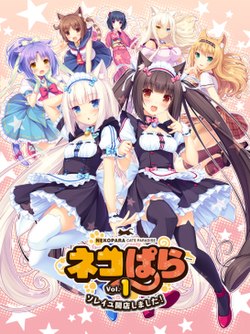 Nekopara Vol. 2 on Switch
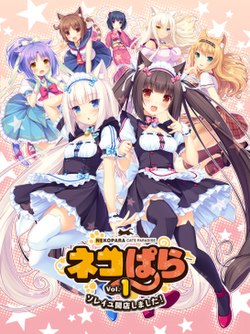 Nekopara Vol. 1 on Switch
 Microsoft Xbox Series X/S
 Tokimeki Memorial Drama Series Vol. 3 Tabidachi no Uta on PlayStation
 The Witcher IV on Xbox Series X/S
 Tokimeki Memorial Drama Series Vol. 1 Nijiiro no Seishun on PlayStation










 Another SquareThought Site