

 Aug 2021


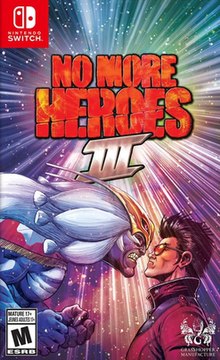
No More Heroes III lands like a glittering, profanity-laced confetti cannon aimed at the heart of video game melodrama - and then immediately asks if you brought snacks. While on paper it's an over-the-top sword-and-gimmick affair about an otaku assassin battling space-superheroes, what really holds the game together is an almost Shakespearean tangle of character arcs. Suda51 set out to stage 'Travis Touchdown's final battle' and he does so with a warped tenderness: an aging protagonist who's as much midlife parody as tragic hero, a puppet prince alien turned antagonist, and a human antagonist who proves more rotten at the roots than the extraterrestrial boogeyman. This review will ignore the obvious impulse to just list combos and easter eggs, and instead probe the emotional scaffolding under the flashy surface. Expect blood, bad jokes, motorcycles and a surprising amount of interpersonal trauma.
No More Heroes III plays like a jackhammer of soul-baring wrapped in neon: the third-person hack-and-slash basics return - light and heavy Beam Katana combos, a tension gauge that rewards aggression, and the old series ritual of climbing rankings by paying entry fees with money earned through chaotic side hustles. On Switch the combat is serviceable and gloriously loud, but the brilliance is how the systems echo the story beats. Travis's Beam Katana runs on a battery that needs recharging; it is narratively on-point. The weapon is a blunt metaphor for Travis himself - flashy, prone to short bursts of performance, and needing a recharge after every existential crisis. The Killer Slash and Slash Reel reward aggressive timing, which mirrors how Travis repeatedly leaps into fights to compensate for personal guilt and loss. The Death Glove and its Full Armor modes turn him into a temporary savior-figure (mecha cosplay included), underlining the game's repeated theme: Travis wants to be more than the sum of his vices, and the game gives him cosmetic, mechanical and narrative fireworks to try. Boss design in NMH3 doubles as character study. FU and his nine super-ranked companions read like a sci-fi soap opera: each boss reflects a facet of the invader's personality or a thematic mirror for Travis. Mr. Blackhole's wormhole antics kick off the invasion and signal that the threat is as much about swallowing reality as about punching it. Gold Joe's space-ore hustle and Paradox Bandit's explosive showmanship riff on a capitalist carnival of violence - a theme later embodied by Damon Ricotello, who used alien tech to build Utopinia and the city of Utopiland. Boss fights are more than mechanical gauntlets; they are dialogueless scenes where design, music and mechanics tell you who these antagonists are. Midori's arc is particularly poignant: introduced as a dark-world princess but revealed to have a human relationship and backstory, her battle is as much about choice and identity as it is about telegraphed attacks. Travis's relationships shape mission structure and the player's emotional investment. Side missions, motel downtime, and minigames are not padding so much as character beats in between confrontations. Playing fetch with Jeane the cat, customizing shirts, or revisiting bosses via the motel time machine all function like a noir detective jotting in a notebook - little moments that remind the player who Travis was and why he fights. Death and resurrection mechanics (yes, Travis dies and is resurrected inside the meta videogame world of Deathman) are used to interrogate the idea of the 'final battle' itself. When Henry Cooldown, Travis's indoctrinated twin, murders Travis in a particularly grotesque twist, the game leans hard into catharsis: this isn't simply a combat difficulty spike, it's the emotional core exposing family trauma, guilt, and long-buried abuse. Damon detonating FU's ship and later revealing himself as the mastermind reframes the invasion as intimate cruelty rather than alien conquest - the enemy was human-shaped the whole time. That reveal lands because the game has taken the time to populate Santa Destroy with people who have history with Travis: Shinobu's coma, Bad Girl's grief over Badman's death, Sylvia's gleeful influencer-turned-secretary persona. Each combatant and companion has a narrative hook that the gameplay then punishes, rewards, or complicates. The plot's later flirtation with time travel - Native Dancer revealed as Travis's grandson Scott in a post-credits sequence - leans into myth-making and series self-mythology, and the game smartly uses gameplay modes (mecha shooter defense missions, Death Glove skills, Full Armor) to switch tonal registers rapidly. This reflects the fractured, sometimes messy identity of the cast: heroes and villains wear similar masks. On Switch you feel that tonal whiplash a little more acutely because the hardware's compromises make the spectacle less crisp than on more powerful consoles, but the narrative choreography remains intact: big personalities beat to the rhythm of big gameplay moments, and Suda51 makes both sing together.
Built in Unreal Engine 4 with a guest list of character designers that reads like an indie-art exhibit (Yusuke Kozaki returns as lead designer; Inio Asano, Scott Kester, Mari Shimazaki and Masanori Ushiki contribute guest work; Darick Robertson provided promo art), NMH3's visual identity is confidently eclectic. The Switch version has a deliberately comic-book, slightly cell-shaded aesthetic that complements the game's parody of pop culture. Character silhouettes are bold and memorable - FU's aristocratic limp as a larva-turned-tyrant, Damon's sleek corporate sheen, Henry's knightly resentment - all read well even on handheld mode. Some textures and frame pacing on Switch aren't as glossy as the later PS5/Xbox ports, but the art direction turns that minor technical fraying into stylistic grit. Bosses are designed to be showpieces: extravagant, sometimes ridiculous, always expressive. The motel and Utopiland islands are less open-world epics and more theatrical stages, which actually suits a story obsessed with personas and performance. The visual cameos - Takashi Miike appearing as a meta-resurrector in the Deathman sequence - underline how the game treats visuals as storytelling tools, not just eye candy.
No More Heroes III is not subtle, and it doesn't try to be. Its grandeur is a carnival tent pitched over a mausoleum of unresolved arcs: family abuse, celebrity-slick corporate evil, alien exile, grief and redemption. Travis Touchdown, at 41, stumbles through it all like a man trying to outrun an awkward dinner conversation with fate. The game's strength lies in letting mechanical systems mirror emotional beats: the Beam Katana's battery is Travis's stamina for reinvention; the Death Glove's power-ups are desperate attempts at reinvention; the ranked boss ladder stages grief and revenge as progress bars. If you want tight, modern combat with razor-sharp visuals, the Switch version will feel a little rough around the edges compared to the later enhanced ports. If you want a messy, heartfelt, wildly original finale to a series that has always mixed satire and sincerity, NMH3 delivers. It undercuts spectacle with sincere character writing and then double-backs with an ending that wants to retire its hero while leaving open the possibility of more absurdity. For a game that parodies superhero culture and celebrity capitalism while staging a small-town (and occasionally cosmic) family tragedy, it's gloriously, aggressively itself. Play it for the bosses, stay for the character beats, and bring extra sushi for the motel. You might laugh, you might rage, and you might find yourself oddly moved by a man who keeps buying shirts to cope with the end of the world.
 PES 2014: Pro Evolution Soccer on PS3
 Pro Evolution Soccer 2010 on PS2
 PlayStation Home on PS3
 Ōkami on PS2
 Gaelic Football '25 on Xbox Series X/S
 Unearthed: Trail of Ibn Battuta on PS3
 No More Heroes 2: Desperate Struggle on Switch
 No More Heroes III on Xbox Series X/S
 No More Heroes III on PS5
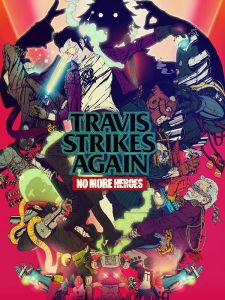
 Travis Strikes Again: No More Heroes on Switch
 Lollipop Chainsaw on PS3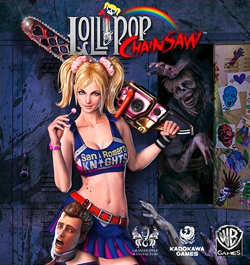










 Another SquareThought Site