

 Jul 2018
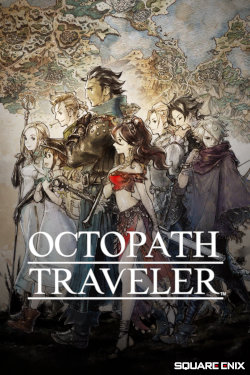

In an age when polygonal polygons and photorealistic lighting have become the shorthand for seriousness in games, Octopath Traveler arrives like a very sharp postcard from 1994 - only this one was printed in 4K. Square Enix and Acquire have taken the familiar bones of Super NES-era JRPGs, graced them with a careful modern sheen, and served them to the Nintendo Switch on a silver platter that smells faintly of nostalgia. If you enjoyed the snappier days of turn-based combat, character-driven chapters and musical leitmotifs that actually matter, Octopath is an invitation with a lovely, slightly mysterious font. This review will be delivered in the deliberate tone of the seriousness that ruled many a games magazine in the 1990s: considered, occasionally judgmental, and occasionally willing to let a quip slide in when the subject allows it. The package on the Switch is the original 2018 release, and what it offers is not a revolutionary departure but an exemplary refinement. It is a game that knows what it wants to be - an old-school role-playing epic wearing new clothing - and mostly accomplishes this with flair.
Octopath Traveler begins at a choice point that ought to feel old hat to anyone who clipped RPG previews from the Sunday paper: choose one of eight protagonists to start your campaign. Each character - from Ophilia the priestess to Olberic the warrior, from Primrose the dancer to Therion the thief - begins in a different corner of Orsterra and carries a self-contained four-chapter arc. The conceit is simple and cunning: each playable hero has a distinct class and a unique "Path Action" they can use when talking to townsfolk. These actions let you recruit, pilfer, cajole information, summon NPCs briefly, or otherwise meddle in small civil liberties with a reasonable facsimile of tact. The system encourages exploration and role-playing in the old-school sense: talk to everyone, try everything, and accept that a fee may be charged if you overuse the town's goodwill. Combat is where Octopath shines in a way that keeps the turn-based faithful awake at night. The battle system pivots on two complementary mechanics: Break and Boost. Every enemy has shield points and exterior weaknesses; exploit those weaknesses enough times and the enemy is "Broken," losing a turn and taking amplified damage when your blows land. Conversely, Boost Points accumulate each round and can be spent to stack attacks or intensify abilities, producing satisfying multi-hit fireworks or single, powerful strikes. The interplay between breaking foes and spending boosts creates a tactical rhythm that is both accessible and subtly deep - it rewards planning, party composition, and knowing when to let the enemy have a tantrum. Party building is handled with a respectable mixture of rigidity and freedom. Each of the eight characters has a fixed main job (you do not change the main job), but you can unlock and assign a subjob gleaned from another character. This twist preserves character identity while permitting surprising synergies; a cleric can learn a thief's tricks, a merchant can dabble in elemental magic - but only to a point. Progression is deliberately modular: each character's story must be concluded in sequence before you can replace them as your active protagonist, which keeps the narrative structure tidy but sometimes makes the grander plot feel like it arrives in fits and starts. The story structure is arguably the game's least polished element. The chapters read like well-produced sketches rather than a single sprawling novel. Some arcs - Primrose's in particular - deliver emotional payoffs and memorable composition from Yasunori Nishiki's score, while others fall prey to cliché and predictable beats. Critics have been split on this, and rightly so: the writing is competent, occasionally inspired, but rarely unified. When the eight narratives eventually converge, the villainous design and stakes do coalesce into a satisfying final act, though it feels more like an elegant stitching job than the slow burn of a single-author epic. Outside of combat, Octopath encourages the old-fashioned pleasures of item collecting, town reputation management, and the small puzzle of which Path Action to deploy. There are no massive online distractions, no live-service hooks; the developers have stated there would be no major post-release DLC, and the game plays like it wants to be finished on your own terms. The result is a focused, sometimes austere RPG that will reward the patient and occasionally frustrate the restless.
Octopath Traveler's headline feature is the so-called "HD-2D" aesthetic: pixel-art sprites transplanted into polygonal environments with dynamic lighting, bloom, and depth of field. It is at once a clever technical showpiece and a lovingly composed art direction. Close your eyes and you can almost smell the cartridge dust; open them and you're treated to water that occasionally catches the light like it's embarrassed to be so realistic next to everything else. The developers labored over depth, saturation and the pixel-realism balance, and it shows in every tile, puddle and sunbeam. The visual approach is not merely decorative. It reinforces the game's retro credentials while allowing modern camera flourishes and spectacle in battle. Character sprites pop with readable silhouettes and expressive animations, and enemy designs are crisp enough to telegraph their weaknesses - an essential quality in a game where understanding your foe's vulnerabilities is tactical gospel. The map art, towns and overworld are evocative without being cluttered; there is a compositional restraint that recalls well-made console RPGs of the 16-bit era but with the polish of contemporary production values. Musically and sonically, Octopath receives its own paragraph of praise. Yasunori Nishiki's score frequently turns simple melodies into sweeping motifs that attach themselves to characters and places. Primrose's theme, for example, is designed to convey melancholic femininity with metallic coloration to suggest the desert - a specific, thoughtful touch that elevates storytelling. The game was nominated for and won several awards for its art and music, and once you hear a few of those cues, they'll follow you around like an opinionated NPC reminding you of your past choices.
To call Octopath Traveler a perfect throwback would be disingenuous; it is not flawless, and its fragmented storytelling will bother those seeking a single, sustained narrative voice. What it is, however, is an articulate exercise in curating nostalgia: a turn-based RPG that remembers why we loved the old formula and then rewires it with a few modern electrical cables. The battle system is inventive and rewarding, the HD-2D presentation is among the most tasteful projects Square Enix has released in recent memory, and the music deserves repeated listenings on its own merits. There is a conservatism here that will please traditionalists and perplex modernists: expect no live-service distractions, expect a single-player rhythm that demands attention, and expect to be occasionally moved - and occasionally frustrated - by the eight-path structure. Sales figures and awards argue with the skeptics: by September 2022 the game had sold over three million copies worldwide and has influenced subsequent Square Enix projects that adopt its HD-2D look. If you are the sort of player who enjoys methodical combat, memorable motifs, and the impression of playing a lovingly preserved slice of JRPG history with modern finesse, Octopath Traveler on Switch is worth the cartridge slot. Score: 8.5/10 - A sharply rendered homage that refines old virtues more often than it reinvents them, and does so with style.
 Octopath Traveler II on Switch
 Dragon Quest III HD-2D Remake on PS5
 Combat Elite: WWII Paratroopers on PS2
 The Banner Saga 2 on PS4
 Arcania: The Complete Tale on PS3
 Gnosia on Xbox Series X/S










 Another SquareThought Site