

 Jun 2024


Tavern Talk arrives on the Switch like a polite stranger at last call: unmistakably here to start a conversation and subtly judging your life choices. It's a visual novel about running Wayfarer's Inn in the fantasy land of Asteria, where you mix drinks, assign quests, listen to the emotional baggage of elves and vampires, and slowly unpeel the wrapper that hides an ancient threat. The game's premise is simple enough that you could explain it in a sentence, but the appeal is in the leisurely minutiae - crafting cocktails that tweak personalities, encouraging adventurers to go on quests, and decorating your tavern with trinkets they bring back. If you have ever wanted to be both a bartender and a slightly nosy therapist in a world where lycanthropy is probably a seasonal disorder, this is the simulation for you. Gentle Troll Entertainment, an indie outfit that apparently thinks trolls can be pleasant if given a proper tip, developed and published the game. It was built in Unity and launched across Switch, Windows, and MacOS on June 20, 2024, following a free demo on Steam earlier that month. The team also crowdfunded the project on Kickstarter and smashed past a modest €20,000 goal in under a day, which is either a testament to the concept's charm or the internet's appetite for wholesome fantasy hospitality. Critics have been broadly positive - Metacritic classifies the reception as "generally positive" - which is developer-speak for "people liked it, but they still want a few things fixed."
At its core, Tavern Talk is a conversation engine with a mixology module and a quest board. You are the innkeeper. Your job is to hear troubles, hand out tipsy solutions, and avoid getting into the sort of trouble that requires a local adventurer's help (unless you fancy yourself an unarmed bar brawl specialist). The primary gameplay loop is elegant in its mundanity: a patron arrives, orders a drink, you pick a recipe, the drink affects their stats, they leave (sometimes to do a quest you posted), and then return with stories, loot, or gossip that further the interwoven narratives. Drink-making here is not a rhythm mini-game or an exercise in frantic touchscreen slapping. Instead, recipes are presented as choices with consequences. Each concoction adjusts characters' statistics in a way that nudges their responses and story paths. Want to boost a nervous elf's confidence? There's probably an herbal spritz for that. Trying to coax an emotionally constipated vampire into revealing their backstory? Stir in something smoky and gently probing. The system isn't deep in the way a simulation sandbox might be, but it rewards attention. You learn the flavors of people: which bottles soothe, which provoke, and which create awkward ancestral revelations at three in the morning. Posting quests is a satisfying layer that gives the inn its purpose beyond being a tasteful wallpaper for long conversations. You set out tasks for adventurers - fetch this, investigate that - and while the quests themselves are not played out in an action sense, the outcomes are. Returning patrons bring back items useful for decorating your inn, and each new trinket changes the atmosphere in small but meaningful ways. Decorating is not just cosmetic window dressing; it subtly affects how often certain characters visit and what they talk about. The loop encourages replay without squeezing you with an onslaught of achievements. The dialogue is the entire point, and Tavern Talk is shamelessly good at it. If you have ever enjoyed VA-11 Hall-A's mix of empathetic listening, Coffee Talk's modern magical realism, or the tabletop melodrama of Dungeons & Dragons, this game sits in their polite, well-dressed overlap. Lines land with a balance of humor and quiet melancholy; characters are written with the confidence of someone who knows them intimately, which is handy because you will feel like you do after an afternoon shift. The writing is often praised: publications like The Gamer note the game's "cozy" warmth, and Destructoid called the dialogue options "incredible." That praise is justified. Conversations are the motor; the drinks and decor are the oil. Where the gameplay shows its indie leanings is in scope. The mechanics are intentionally shallow compared to full-blown sims - there's no estate management spreadsheet, no multi-day economic planning, and no battle systems to distract you. The satisfaction comes from role-playing the quiet, social parts of a fantasy world. Some players will find this calming, the kind of game you tuck a scarf into and read aloud to; others may find the mechanical feedback loop a bit light if they were expecting deep branching complexity or roguelike stakes. Personally, I appreciated the restraint. The game understands it's a conversation game first and a cocktail calculator second, and that focus keeps the tone consistent and the experience relaxing rather than maddening.
Visually, Tavern Talk adopts a soft, cozy aesthetic that compliments its tone. The character art leans toward expressive slices of personality rather than hyper-detailed realism; faces do most of the heavy lifting, and they do it gracefully. The tavern itself feels lived-in in the way that only a set of pixel-perfect cushions and well-placed candles can communicate. Items brought back by adventurers feel like souvenirs from actual lives, not generic loot numbers, which helps the decoration system matter even when its function is subtle. Performance on Switch is generally stable. The game was made in Unity and it shows a competent, well-optimized build. There were no jarring frame dips in my sessions, and load times remain polite. If you're playing docked, the art has a gentle polish; if you're handheld, the UI scales well and remains readable without you needing to put the console under a magnifying glass. Animation is minimal but purposeful: small movements and idle animations make NPCs feel present without drifting into unnecessary busyness. The soundtrack and sound design deserve a brief nod because they partner with the visuals to make the inn feel like an actual room you could nap in. Tracks are unobtrusive and pleasant, the sort of background music that smells faintly of cinnamon and sympathetic listening. Sound cues for pouring and serving are satisfying in a way that will, annoyingly, make you want to actually make a drink. Graphically, Tavern Talk is not trying to reinvent the visual novel wheel. It makes small, confident choices and sticks to them, which, given the game's goals, is exactly the right move.
Tavern Talk is not a revolutionary reimagining of interactive storytelling, and it makes no apologies for that. It is a warm, well-written visual novel with a tidy set of mechanics that enhance rather than distract from the core experience: talking to people and helping them be slightly better versions of themselves. If you liked VA-11 Hall-A or Coffee Talk's premise of doing emotional labor for strangers who occasionally drop a life-changing reveal, you'll find much to enjoy here. Reviewers have generally praised the game - Eurogamer likened it to a tasteful blend of Coffee Talk and Legends & Lattes, and Metacritic places it comfortably in the "positive" camp. Destructoid's take is fair: satisfying but shallow in gameplay, with dialogue strong enough to carry the project. There are minor nitpicks. The mechanical depth might not satisfy players seeking complex management or branching consequence trees that radically diverge. The quests are more narrative seasoning than full-blown adventures. But those choices feel intentional, not lazy. Gentle Troll Entertainment asked a focused question - "what happens when you put a warm fireplace, a salt-of-the-earth bartender, and a small but earnest fantasy world together?" - and answered it with competence and charm. On Switch, Tavern Talk is the sort of game you play when you want to unwind rather than conquer. It is quietly delightful, unexpectedly emotional at times, and consistently humane. Score: 8/10. It's a solid pour of character-driven storytelling - no cheap gimmicks, just good conversation and the satisfaction of a job well served. If you enjoy being a sympathetic ear with a side hustle in mixology, reserve a stool at Wayfarer's Inn; they will remember your name, and probably have a song about you by the time you leave.
 Coffee Talk on PS4
 Another Code: Recollection on Switch
 Pachislot To Heart 2 on PS3
 Tomoyo After: It's a Wonderful Life on PS3
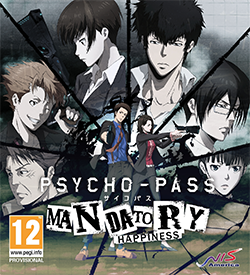
 Psycho-Pass: Mandatory Happiness on PS4
 Punch Line on PS4










 Another SquareThought Site