

 Jun 2021


If you like taking artsy photos of chaos, Umurangi Generation on Switch is the game that hands you a camera and says, "Go document the apocalypse, but make it aesthetic." You play as a Māori courier in a neon-tinged Tauranga (yes, New Zealand - not a cyberpunk Miami), traipsing across rooftops, military checkpoints and evacuation trains while snapping the world as it awkwardly, loudly collapses. The Switch version arrives as a tidy Special Edition that includes the Macro DLC, so you get the base game's clever photography quests plus the extra toys (roller skates, Game Boy-style camera, actual aperture controls) without having to do any tragic download juggling. Don't expect open-world fistfights or loot crates. This is more of a chill-but-weird photo scavenger hunt where your main enemies are giant blue jellyfish aliens and the bureaucrats who frown at you for photographing them. Under the neon humor and playful filters is surprisingly earnest storytelling: climate disaster, a bungled occupation, and a very New Zealand brand of 'we're boned but we'll document it anyway.' It's weird, it's thoughtful, and it's the rare game that makes taking blurry photos feel like a victorious act.
Gameplay is a practical lesson in how to be a creative pest with a camera. Each level gives you a set of photo bounties - sometimes very specific (capture this graffiti with a fisheye lens), sometimes intentionally vague (take a picture that feels like loneliness) - and then leaves you to flail gloriously until you succeed. You can approach objectives stealthily, sneakily angle for that perfect sunset emoji shot, or just go wild with editing tools until your photo looks like an album cover for a band that only ever released one vinyl in 1989. The core loop is wonderfully simple: explore the scene, find your subject, swap lenses (telephoto, fisheye, etc.), fiddle with attachments and filters, then frame and shoot. The game rewards ingenuity - there are often multiple ways to solve a bounty, whether that's jumping onto a roof to catch a rare angle, using a telephoto to stalk some unknowable NPC, or painting the world with your spray can in the Macro DLC to create the exact frame the mission demands. The Macro expansion is practically a photography school: shutter speed, aperture, and ISO adjustments let you actually learn - or at least pretend to know - what those words mean. There are also more playful attachments, like a Game Boy-style camera that spits out gloriously lo-fi pics, and a selfie camera for when you want to document your courier's good side during a civil meltdown. Movement is usually slow and deliberate, which is perfect for framing shots; Macro's roller skates are an excellent QoL upgrade that transform you into an awkwardly graceful documentary speedster. The game gives you a little toolkit of toys and expects you to improvise. Bounties can ask you to photograph a specific detail (graffiti, a penguin, a mecha foot) or compose a mood, which lets the player flex both puzzle-solving and artistic muscles. Narrative is mostly environmental: in-game ads, posters, overheard chatter and the missions themselves slowly paint a world dealing with an occupying UN force, jellyfish-like aliens, and a government that seems to be on extended vacation. You're encouraged to document it all - unless the thing you're photographing is a jellyfish alien, in which case the game will scold you. That small punitive quirk is a neat way to remind you there are stakes beyond your Instagram aesthetic. The friends who accompany you - Micah, Atarau, Kete and a chinstrap penguin named Pengi - add charm and a sense of community even as the skies go funny. The finale is dramatic and symbolic, and the game signs off as a shout-out to a certain generational responsibility: someone has to watch and remember, even if it hurts.
Umurangi's visuals are a stylish mash-up: low-fi, neon-soaked urban design meets hand-painted Indigenous motifs. The 'shitty future' aesthetic (the developer's own phrase) updates cyberpunk away from leather jackets and VHS nostalgia toward something messier and more present-day. Mecha inspired by Shin Godzilla and artists like Yoji Shinkawa loom over graffiti-splattered rooftops, while Huia feathers and Māori iconography sit respectfully woven throughout the environment. The palette is saturated in reds and purples (which fits the title - 'Umurangi' means 'Red Sky'), and the levels are deliberately composed so every corner feels like a set-photoshoot. On Switch, the graphics lean into charm rather than pushing technical fidelity. Expect smoother performance and portable vibes at the expense of ultra-high resolutions; this feels like a title built for pockets and bus rides anyway. The Macro DLC's camera effects - grain, shutter blur, low-res Game Boy output - are all lovingly rendered and actually make you want to over-edit screenshots. The presentation is one of the game's strongest storytelling tools: environments double as exposition, and the game's interface treats photos like precious evidence rather than just unlockable wallpaper.
Umurangi Generation on Switch is a delightful oddball: part photography sim, part political postcard, part indie art project that somehow also doubles as a very portable creative toy. If you like games that let you set the pace, reward curiosity and use aesthetics to tell uncomfortable truths, this one is for you. The Switch Special Edition bundles Macro DLC, giving you everything from shutter-speed nerdery to roller-skate mobility, and the result is a satisfying package that earned its praise - the game's awards (including the Seumas McNally Grand Prize and Excellence in Narrative at the IGF) are no accident. It's not for everyone: if you demand twitch combat or a hundred-hour grind, you will be bored. But if you want to wander, shoot, edit, and occasionally get scolded for photographing alien jellyfish, Umurangi offers a rare mix of playfulness and pointed commentary. It's like a zine you can walk through and photograph: thoughtful, funny, and a little bit sad. Recommended for people who want something that feels like art class and a protest sign rolled into one. Score: 8.5/10.
 Wildermyth on Xbox Series X/S
 Kakuro on PS4
 Pupperazzi on Xbox Series X/S
 TOEM on PS5
 Beasts of Maravilla Island on Switch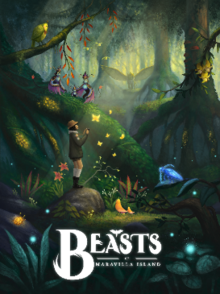










 Another SquareThought Site