

 Oct 2019
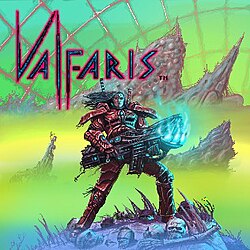

Read this with the lights low and a static-y CRT glow in your peripheral vision, because Valfaris is the sort of side‑scrolling brawler that feels handcrafted for the loudspeaker era. Developed by indie studio Steel Mantis and released for the Nintendo Switch on October 10, 2019, Valfaris throws you, Therion, back onto your home world to discover it overrun with demonic rot, jagged metal and things that were never designed to be polite. The game wears its influences like a welded-on badge: heavy metal soundtrack, brutal boss encounters, and pixel‑heavy 2D mayhem. Yet despite the homages, Valfaris manages to be more than nostalgia; it is a fever dream of steel and blood that plays like someone turbocharged a shoebox of classic action platformers and then lit the whole thing on fire in the most entertaining way possible.
Valfaris is a single‑player, 2D action/platformer that keeps the flow tight and the economy bloody. You control Therion, armed with a trusty sword and a plasma pistol that can be fired in eight directions - a welcome bit of mechanical clarity that keeps combat satisfying whether you're strafing through a gauntlet or facing a hulking boss. There are also heavier toys: a heavy gun and a defensive shield, but each draws from an energy meter. Use the shield to nullify incoming fire and, if your timing is priestly, reflect projectiles back at foes for glorious revenge. The heavy gun trades mobility for raw hurt; it burns the same shared energy pool, so you're constantly balancing offense, defense and conservation. The game's upgrade loop is straightforward and ruthless: kill foes and loot supply caches to refill energy, and collect Blood Metal to beef up weapons at shrines. These shrines double as checkpoints - Valfaris is not generous with mercy - but to activate them you must use Resurrection Idols, small green tokens tucked away in levels. Stockpile these idols and you'll earn increased health and energy thresholds, which gives the exploration a palpable reward beyond the next boss. Crucially, Resurrection Idols are not lost on death, which softens the blow of the inevitable sudden demise when a sequence of spikes, rockets and unkind hitboxes converge. Platforming sections are solid, with tight jump forgiveness and rooms designed to make your reflexes feel both useful and insulted. The guns feel weighty; swords have reach upgrades; weapon improvements change how encounters resolve. Combat is visceral and kinetic - you will be blasting, slashing, blocking and occasionally yelling at the cartridge as enemies reappear. Yes, enemy respawns are a noted flaw: they can feel aggressive, sometimes undoing a hard‑won corridor of progress with a sudden wave of recycled nastiness. Some reviewers wanted a dodge button, and the criticism has merit; Valfaris asks you to learn timing and shield mastery in lieu of a dedicated evade mechanic, which keeps the difficulty on a razor's edge. Bosses are the game's political statement: oversized, grotesque, lovingly animated abominations that dominate the screen and force you to master the systems. They aren't rote HP sponges; they demand pattern recognition, proper use of your arsenal and the occasional fluke victory that feels like theft. The soundtrack - courtesy of Curt Victor Bryant, ex‑guitarist of Celtic Frost - augments these fights, turning each bout into an audio‑visual throat punch. In short, the gameplay is a compact, sometimes uncompromising package that rewards practice, precision and a willingness to accept design choices that occasionally favor ferocity over fairness.
Valfaris dresses like a 1990s magazine cover painted by an angry futurist. The pixel artwork is dense and textured, overflowing with metal plating, viscera and animated background spectacle; everything feels intentionally overdrawn in the best possible way. Visuals are one of the game's strongest trump cards - reviewers lauded the aesthetic, and rightly so. Levels are distinct enough to feel memorable and the bosses are monstrously charismatic, each set piece framed like an album cover for an industrial band. On the Switch hardware Valfaris holds up admirably. The sprite work is detailed without becoming muddy, and the special effects - explosions, blood sprays, shield flares - read clearly even in handheld mode. There were some technical and design grumbles in early critical reception, but for the most part the performance and presentation deliver the punch Valfaris promises. The visual direction and its heavy metal soundtrack combine to produce a consistently heavy atmosphere: bleak, loud and glorious. If you want something that looks like a magazine spread for 'end of civilization' and sounds like a chainsaw tuned to a bass amp, this is your game.
Valfaris is a work of confident, snarling craftsmanship. It borrows from the past but does not lazily wallow in it; the combat systems are tight, the bosses are inventive, and the audiovisual presentation is practically theatrical. It is not without blemishes: enemies sometimes respawn too eagerly, a dodge mechanic would have provided valuable nuance, and the difficulty can tip into frustration if you refuse to learn the game's rhythms. Still, the core loop - slashing, gunning, upgrading at shrines, and toppling towering nightmares - is satisfying and often brilliant. For a Nintendo Switch audience, Valfaris is an excellent pick if you like your platformers loud and your bosses even louder. The soundtrack by Curt Victor Bryant elevates the proceedings, turning each victory into something ceremonious. Critics generally agreed: respectable Metacritic numbers across the platforms and praise for the game's presentation and boss design. If you grew up reading pixel reviews under the glow of a CRT and dreamt of a game that refuses to whisper, Valfaris more than earns its place on your digital shelf. Score: 8/10 - a worthy, bruising ode to metal and mayhem that rarely compromises on style or substance.
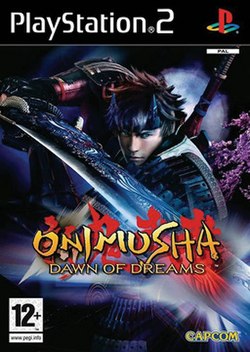
 Onimusha: Dawn of Dreams on PS2
 Action Man: Operation Extreme on PlayStation
 Door Kickers: Action Squad on Switch










 Another SquareThought Site