

 Jan 2026
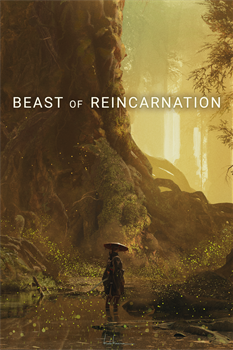

Game Freak finally stepped out of the Pokémon-shaped comfort zone and dangled a very different carrot: Beast of Reincarnation. Announced as a one-person, one-dog action RPG set in post-apocalyptic Japan, the game pairs Emma the Sealer - who manipulates plants with blight powers - with her stray dog Koo. On Xbox Series X/S (and arriving on Xbox Game Pass day one), it promises high-stakes combat and scenic ruin porn with a Studio Ghibli-ish aesthetic. If you like your games to test your patience, your timing, and your ability to resist punching a tree in frustration, this one is already waving a stick at you.
The loudest thing about Beast of Reincarnation is the way it lets combat do the shouting. From what we've seen - trailers and developer descriptions - the game leans hard into confrontations with oversized mutant creatures, corrupted fauna and flora, and mechanized enemies. The comparisons to Sekiro, Nier: Automata and Black Myth: Wukong are not marketing fluff: the game appears to ask for clean inputs, attention to enemy animation cues, and a willingness to learn by dying. In practice this means fights will reward the exact set of skills that separate button-mashers from actual players: reflexes, pattern recognition, spacing, and patience. Timing is king. If Sekiro taught you that a precise parry can erase the tension in a duel, and Nier taught you that smart mixing of ranged and melee keeps combat varied, Beast of Reincarnation seems set to fuse those lessons into encounters that rely on spotting tells and punishing mistakes. Expect telegraphed attacks that you can either dodge, interrupt with plant-based abilities, or punish on a counter. The plant powers are the trump card that changes the rhythm: Emma can manipulate vegetation to traverse and to influence battlefields, which adds a battlefield-control layer on top of raw swordplay or brawling. That control turns many fights into tactical puzzles - do you root an enemy to the ground, use vines as cover, or create a platform for a vertical flank? Good matches are likely to be won by players who think two moves ahead. Koo, the dog, is not just a cute loading screen. The "one-person, one-dog" setup strongly implies a companion system that matters in combat and navigation. Give Koo a command, and you may set up a stagger, herd enemies, or open an angle for a plant attack. The very presence of a loyal buddy introduces micro-decisions: do you send Koo in to aggro while you set a trap, or keep him back to revive or distract when things go sideways? Mastering companion synergy will probably be as important as mastering combos. That makes the game less about pure mechanical perfection and more about layered skill - multitasking, situational awareness, and resource juggling. Enemy variety looks engineered to force you to adapt. You'll encounter hulking corrupted beasts that demand patience and repeated observation to learn attack windows, and smaller, faster enemies that punish sloppy area control. Robots hint at a section of fights where predictable biological tells are replaced by mechanical sequences, which likely push players to switch tactics on the fly. Expect bosses to be multi-phase ordeals: first phase to learn the rhythm, second phase to punish failed reads, and later phases to mess with your brain by mixing attack patterns and environmental hazards. Traversal is part of the skillset too. Emma's plant manipulation isn't just for show; it's used to traverse the ruined landscape. That introduces platforming sections that demand spatial awareness and momentum control. In open combat, verticality will be a factor: pulling enemies into choke points or elevating yourself for safety and better angles becomes a real tactical choice. If you're the kind of player who gets bored with flat arenas, the addition of vertical plant-based tricks will be a welcome complexity. Difficulty curve and design philosophy matter here. From the influences cited by the developers, the game appears to reward disciplined play over brute force. Players who like learning attack patterns, studying enemy behaviors, and iteratively improving will find a rich playground. If you prefer being carried by a strong gear-tree or overpowered abilities from minute one, this might demand a mindset shift: the point is not to steamroll but to master. That said, with Game Freak's pedigree in crafting systems (and the director's battle-system background), there's reason to expect tight feedback loops - clear hit reactions, readable enemy tells, and a satisfying feel to every successful dodge, parry, or plant trick. On the meta side, the single-player focus and narrative of freeing Japan from corruption mean you'll be balancing exploration with targeted combat trials. Survival here is less about resource scarcity and more about learning: read, react, repeat. Be prepared to die, learn, and come back - which, if you like a challenge that scales with your skill, is the exact kind of loop that keeps you coming back for another run.
Visually Beast of Reincarnation trades gritty wasteland for a melancholic, overgrown beauty. The art comparisons to Studio Ghibli and Princess Mononoke aren't just flattering; they hint at a visual direction where nature reclaims tech and every ruined shrine is a postcard. Concept art revealed a lone woman in a forest, and the trailer suggested lush plant life intertwined with rusting machines - a motif that works both as thematic storytelling and as gameplay real estate. For challenge-oriented players, this matters because readable animation and clear telegraphs are essential; the game's art style appears to favor strong silhouettes and contrast, which should help you spot attack cues even in dense foliage. On Xbox Series X/S you can expect high-fidelity lighting and particle effects that make plant manipulation feel alive: vines shuddering on hit, spores drifting after a heavy blow, and mechanical enemies clanking with believable weight. That sort of tactile visual feedback is crucial in a combat-first title - it tells you whether that perfecto-timed parry actually landed or if an enemy only flinched and is still coming for you. The trailer's presentation suggested a polished engine and cinematic framing, and while trailers are best at showing the good bits, the visual promise here supports the game's difficult, precise combat by making information readable and satisfying to the eye.
If you're buying Beast of Reincarnation on Xbox Series X/S for a warm, cozy stroll through prettier ruins, you'll be surprised - and probably repeatedly humbled. This is a game that aims to test timing, pattern recognition, environmental thinking and companion management. It borrows the best bits from Sekiro-style precision, Nier's mixture of fights, and Black Myth's boss-forward spectacle, dressing it all in a Ghibli-tinged coat of moss and rust. For players who crave a challenge that rewards study and skill rather than brute force or stat-padding, it's shaping up to be a satisfying ride. It's not perfect on paper - a lot still depends on tuning, enemy variety, and whether the dog mechanics feel meaningful rather than gimmicky - but based on what's been shown, Beast of Reincarnation earns an optimistic 8 out of 10. Bring your reflexes, bring your patience, and definitely bring Koo.
 Altered Beast on PS3
 Altered Beast on PS2
 Combat Elite: WWII Paratroopers on PS2
 Onimusha: Dawn of Dreams on PS2
 Action Man: Operation Extreme on PlayStation
 Project Sakura Wars on PS4
 Pokémon SoulSilver on DS
 Pokémon White on DS
 Pokémon White 2 on DS
 Pokémon Pearl on DS
 Pokémon Platinum on DS










 Another SquareThought Site