



Disgaea 2: Cursed Memories is the kind of tactical RPG that quietly tucks a mathematics textbook and a motivational poster into your backpack before sending you to the classroom of pain. Built on the same isometric, grid-based bones as its predecessor, it hands you a cast of demons, an Item World that doubles as a power-lifting gym for equipment, and a story that occasionally forgets you exist while you re-run a map for the fiftieth time. If you're the sort of player who hears 'grind' and thinks 'opportunity', this game will feel less like a slog and more like a hobby that slowly replaces your social life. For those who prefer straight routes to the ending, bring patience and a heavy controller.
Disgaea 2 divides itself into 13 chapters that unlock new areas and piles of maps. Each map is a small tactical puzzle: you position a party of characters on a 3D isometric grid, juggle movement and attacks, and solve combat encounters across multiple turns. The structure feels simple on paper-go from Holt (the central town hub) to the next unlocked area, beat the required maps, and clear chapters-but the devil (or rather, the Overlord's daughter) is in the details. The single-player loop thrives on repetition with purpose. The gatekeeper in Holt gives you the pleasant option to retry any previously beaten map, which is not a passive convenience: it's the core of how you get stronger. If you enjoy methodical progression, that loop is a gift. If you find yourself twitching when the game suggests 'one more run', you will be tested. Item World returns and carries most of the mechanical weight when it comes to challenge and optimization. You can enter nearly any item in your inventory and fight through a series of randomly generated floors. The tougher or rarer the item, the nastier the enemies. Battle through floors to either clear every enemy or locate and use an exit portal. As you go deeper, your item gains better stat bonuses, and special Guardians-unique enemies imprisoned in the Item World-can be freed to grant permanent advantages to that item or be moved between gear. This system transforms equipment into a second progression track. The catch is simple: if you want gear that turns you into an unstoppable jazz-hands brigade, you must invest time and tactical consistency into the Item World. That means managing risk on rogue floors and accepting that randomness will occasionally hand you a level that's an annoying brick wall. The map-based combat leans heavily on spatial reasoning and forethought. Positioning is fundamental: terrain and unit placement determine whether your attacks chain into glorious multi-hit bursts or end with a single embarrassing miss. Since battles are fought on an isometric plane, you'll need to think in three dimensions-one miscalculated step can leave your striker isolated and turned into an off-brand offering to enemy Overlords. Balancing party composition and inventory is another layer of the required skillset. You are expected to rotate characters, delegate roles, and juggle equipment that benefits from Item World investments. The game nudges you toward micromanagement; embrace it or be left with a party that looks talented on paper but behaves like a troupe of confused pigeons on the battlefield. Difficulty is not so much a wall as it is a staircase of tiny, repetitive steps. Many maps are intentionally designed to be replayed until your levels, items, and Guardians align. That makes time management and patience essential skills. You'll also need to learn enemy patterns, pick maps that serve your grinding goals, and resist the siren call of skipping optional content that actually makes your life easier later. Be warned: the beginning and ending cut scenes for chapters cannot be skipped, so if you're optimizing for efficiency, factor in a little cinematic downtime. Overall the gameplay demands strategy, planning, inventory obsession, and a willingness to grind. It rewards players who treat systems-especially the Item World-as instruments rather than chores. If you're comfortable with deliberate, sometimes punishing optimization, Disgaea 2 will hand you a payoff that makes the effort feel earned.
Graphically, Disgaea 2 wears its era on its sleeve: PlayStation 2-era 3D maps with colourful, anime-flavored character sprites and an isometric perspective that keeps the combat readable. The PS2 edition also benefits from being a DVD-ROM release, which allows for an animated opening movie-an unapologetically stylish preface to all the stat-staring to come. Don't expect next-gen fidelity, but the aesthetic is functional and charming. Most importantly for a tactical game, the visual language is clear: unit positions, map geometry, and enemy placements are communicated well enough that the challenge comes from decision-making, not from squinting at the screen.
Disgaea 2: Cursed Memories is less a fast-paced action romp and more an endurance test of strategy, systems management, and patience. Its challenges are deliberate: you win by preparing, by understanding how the Item World inflates your gear, and by mastering positional play on an isometric battlefield. If you find satisfaction in micro-optimizing loadouts, chewing through randomly generated Item World floors, and slowly turning lowly equipment into game-breaking relics, you'll adore how the game hands you control over power. If you prefer instant gratification and a linear difficulty curve, this is not the couch-side companion for you. The PS2 version earned solid praise in its time-and for good reason. It refines the tactical formula into a satisfying, if occasionally tedious, grindbox. Consider it a strategic hobby disguised as a game: demanding, occasionally ruthless, and tremendously rewarding if you accept that the journey is 60% spreadsheets in disguise, 40% tactical fireworks. For the patient strategist who likes their victories hard-won and their items sanctified by toil, Disgaea 2 still stands tall on the PS2 library shelf.
 Read Only Memories: Neurodiver on PS4
 Read Only Memories: Neurodiver on Xbox Series X/S
 The Wreck on Xbox Series X/S
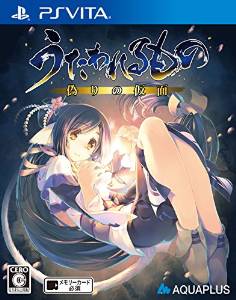
 Utawarerumono: Itsuwari no Kamen on PS3
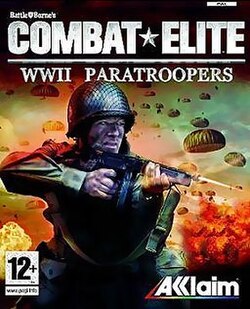
 Combat Elite: WWII Paratroopers on PS2
 Rainbow Moon on PS4
 The Banner Saga 2 on PS4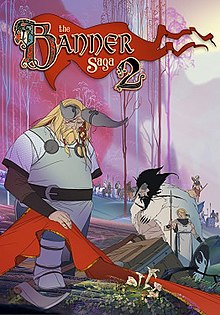
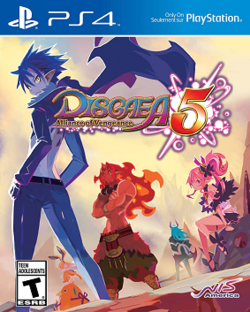 Disgaea 5 Complete on PS4
 Disgaea 1 Complete on PS4
 Disgaea 6: Defiance of Destiny on PS5
 Little Princess: Marl Ōkoku no Ningyō Hime 2 on PlayStation
 Disgaea 4 Complete+ on PS4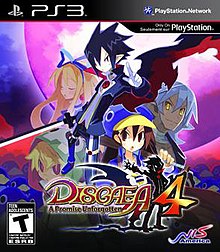












 Another SquareThought Site