



There is a curious subgenre of licensed movie tie-in games that owes more to deadlines than design. Disney's Treasure Planet for PlayStation 2, crafted by Bizarre Creations and released in November 2002, is such a beast: earnest, technically competent in places, and lumbering like a young Jim Hawkins hauling a treasure chest uphill. Built to coincide with the film, the game sits squarely in the 3D platform/action stable that dominated the late 1990s and early 2000s - that era of generous polygons, ambitious camera work, and the occasional level that makes you question whether the production schedule consulted a calendar or a roulette wheel. As a reviewer trained on the steady diet of PlayStation and N64 classics - where a tight jump could make or break a reputation - I approached Treasure Planet with measured optimism. Bizarre Creations, known for robust engineering, used Softimage XSI for modeling and animation work on the title, and you can tell the team had tools, ambition, and a license worth protecting. What the game ultimately delivers is a mixed bag: interesting visual touches and faithful film tie-ins paired with platforming that sometimes feels like it missed the memo on "responsiveness."
The game presents itself as a 3D platformer with action set-pieces, following the plot beats of the movie in broad strokes. You take control of Jim Hawkins for much of the adventure, moving through a sequence of linear hubs and missions that attempt to recreate the film's set pieces rather than reinvent the genre. There are shipboard stages, planet-surface exploration, infiltration segments, and a few boss encounters peppered through - the kind of variety that sounds good on a back cover and keeps the cartridge manufacturers smiling. Mechanically the game is competent if unadventurous. Jim's moveset consists of standard platform fare: running, jumping, a light melee attack, and a special move tied to certain scripted moments. The level designers throw in traversal challenges - narrow platforms, timed jumps, and the occasional environmental hazard - and the camera, while generally serviceable, occasionally misbehaves when the design asks for precision. In 1990s review parlance: when the camera works, the game sings; when it doesn't, you will swear at nothing in particular and then check the manual for solace. Combat is serviceable but shallow. Enemies are varied enough to keep encounters from feeling monotonous, but they don't demand deep strategy; pattern recognition and timing carry the day. Boss fights are bigger spectacles than they are mechanical triumphs: you get dramatic moments straight from the film, but the solutions tend to be one-note once you learn the rhythm. The game does something smart in trying to translate the movie's sense of scale. Ship-to-ship and etherial "solar sail" sequences are staged to give a breath of cinematic pacing amid the platforming chores. These stages are often scripted, blending quick-time-event style inputs with on-rails movement. They aren't revolutionaries, but they break up the core loop and help the title feel tied to its source material. Where the game sometimes falters is in polish. Collision detection can be forgiving in some areas and brutal in others; jumps that look routine on-screen will occasionally punish with a fatal misread. Checkpoints are placed sensibly for the most part, but there are a handful of segments where a single mistake demands a multi-minute retry, and that sort of repetition is the enemy of a player's good mood. For those who remember the heroic patience of the 1990s, this will be an irritation rather than a dealbreaker; for anyone who prefers the modern courtesy of frequent autosaves and forgiving physics, Treasure Planet will feel stubbornly old-school. The developers included numerous cutscenes and film-derived moments to keep fans engaged. These sequences are where the game's value to a younger audience or to fans of the film is most obvious: recognizable characters, setpieces, and occasional lines lifted from the script. In short: if you're playing this for nostalgia or to ride the film's visual identity, you'll find tangible payoffs. If you are after a genre-defining platformer, the title rarely pushes far enough beyond licensor expectations to compete with the best of the era.
Graphically, Treasure Planet on PS2 is earnest and, for a licensed title, quite pleasant. Bizarre Creations employed Softimage's XSI for modeling and animation, and the effort shows in character models and environmental geometry that are clean where other licensed games of the period could be muddy. The art direction tries to hold onto the film's 70/30 rule - 70% traditional storybook warmth and 30% sci-fi - and while the console's hardware can't replicate the film's painterly 2D/3D blend, many of the levels channel the movie's atmosphere faithfully. Textures can be soft up close, a common symptom of the era's memory constraints, but individual scenes - especially ship interiors and the roiling vistas of Treasure Planet itself - have moments of real visual charm. Animation is solid in scripted sequences; character faces betray personality during cutscenes and the more cinematic beats. In gameplay the animations sometimes lack the layered polish of top-tier PS2 exclusives, but there is a consistent visual identity that makes the title feel like a legitimate companion to the film rather than the generic tie-in it could easily have been. Effects work is competent: explosions, particle effects for etherial storms, and the glints on John Silver's cyborg arm are all serviceable. The camera, however, is heir to the era: ambitious in intent but occasionally overzealous, with angled perspectives that aim to sell drama but sometimes get in the way of clear platforming sightlines. Still, if your metric is "Does this look more like the movie than a cereal box?" then Treasure Planet mostly clears the bar.
Disney's Treasure Planet for PlayStation 2 is an honest licensed game from an era in which "honest" was not always guaranteed. Bizarre Creations delivered a title that is competent, occasionally charming, and neatly tied to the film's aesthetics. The use of solid middleware like Softimage XSI helped the developers create a consistent look, and the assortment of set pieces keeps the pacing varied enough for a weekend playthrough. The game's ambition is undermined at times by the unevenness of platforming precision and camera control. Combat and boss encounters often play out on rails of familiarity rather than innovation. The critical consensus at the time - Metacritic's ~61/100 and GameRankings in the low-60s for the PS2 version - captures the essential truth: it's a middling title with moments of merit for fans, and not a must-have for platforming purists. If you loved the movie and want to relive its highlights with a DualShock in hand, Treasure Planet will deliver a serviceable, occasionally delightful run-down of the film's beats. If you came looking for a definitive 3D platformer to rank alongside the greats of the late 1990s, you'll find enough to respect but not enough to exalt. In the end, Treasure Planet is a competent map to a small chest of fun: the journey has charm, but the treasure is modest.
 Dragon Quest Treasures on Switch
 One Piece: Tobidase Kaizokudan! on PlayStation
 Disney's Chicken Little: Ace in Action on PS2
 Onimusha: Dawn of Dreams on PS2
 Action Man: Operation Extreme on PlayStation
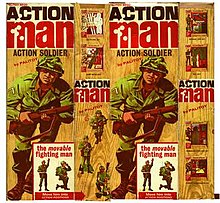 Door Kickers: Action Squad on Switch
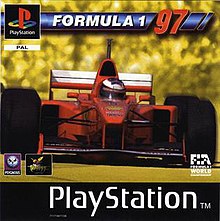
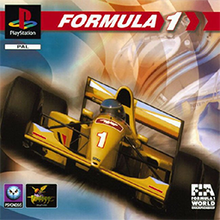 Formula 1 97 on PlayStation
 James Bond 007: Blood Stone on PS3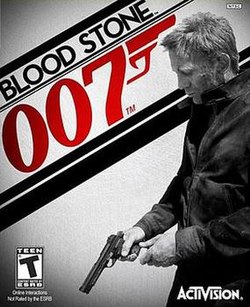












 Another SquareThought Site