



Dokapon Kingdom is the board-game-meets-RPG oddball that somehow convinced a generation to wrestle with destiny by rolling spinners and repeatedly choosing whether to attack, counter, strike or defensively cry into a helmet. Built by Sting Entertainment as a remake of a 1994 Super Famicom title and shepherded west by Atlus, the PS2 edition carries all the whimsy and chaotic multiplayer energy the series promises: money is victory, monsters are mandatory, and the king's daughter Penny is the highest-stakes loot you can possibly buy with your accumulated coin. This review examines Dokapon Kingdom through a somewhat pretentious lens - not because the game asks for it, but because the characters, rules, and weird social-contract of spurious marriages deserve a little therapy. Expect analysis of arcs, motivations, and emotional cliffhangers that are only sometimes earned by actual story beats.
Dokapon Kingdom dresses up a competitive party game in a role-playing robe, and then lets you take turns stabbing each other's wallets with class-restricted skills. The central conceit is elegantly simple: 2-4 adventurers spin, move across a board, fight when they touch things or each other, and gather gold. The winner controls the kingdom and - if male - is offered Penny's hand; if female, the king makes a proposal that, per the game's textbook awkwardness, will be rejected. The transactional romance is the game's tone-setter: love as a reward that reads equal parts fairy tale and medieval sitcom. The players themselves are the most interesting 'characters' here because they exist as avatars and story arcs at once. You begin as a blank adventurer with one of three starter jobs (warrior, thief, magician). That beginning is a rite of passage: the warrior's arc reads like an odyssey of blunt force growth, starting with muscle and ending in rulers stamped with numbers (levels and cash). The thief's arc is a smaller, sneakier narrative: early game mischief (stealing, hiring travelers to do your dirty work) morphs into a midgame identity crisis - do I befriend allies or just bleed them dry for rupees? The magician has a classic arc of accruing power and then learning to spend it on status effects that turn board spaces into emotional landmines. Jobs act like personalities rather than mere stat blocks. As you level through the eleven available jobs, you aren't just gaining numbers; you're rehearsing a melodrama: young fighter becomes respected general, petty thief wrestles with the morality of eternal pickpocketing, apprentice wizard becomes a walking inconvenience. The game even rewards a kind of karmic storytelling: falling to last place risks hearing the whisper of 'dark revenge' and being seduced into the darkling path. This 'darkling' mechanic is a deliciously simple villain arc - someone who's been ground down by losses can transform into a narrative agent of chaos, literally changing allegiance to spite the table. It's the equivalent of a party member quitting and forming a band of goblins. Encounters on the board are where the interpersonal drama unfolds. Landing on an occupied space triggers battle, and the combat itself is roshambo-style: attack beats counter, counter beats strike, defend negates attack. This rock-paper-scissors system reduces epic heroism to a hand game, which is hilarious and, if you're honest, appropriate. It's theatrical in the same way a soap opera is theatrical: predictable but satisfying when executed with confidence. Magic, stats, and class skills add layers, so fights between a high-level warrior and a magician feel like the end of a minor tragedy when dice - or spinner outcomes - intervene. NPCs like the strange traveler function as scene-stealers. They offer minigames or can be hired to steal or sabotage, effectively serving as supporting cast you can bribe to advance your personal plot. The King and Penny exist as tropes - the king as the prize-giver whose rewards skew the moral compass of the story, and Penny as an objectified narrative MacGuffin - but their presence motivates player rivalry in a way a mere high-score screen never could. Story beats are emergent. The 'plot' written into the manual is tidy: the kingdom is under siege by monsters, and whoever amasses the most cash and defeats the main bosses can claim rulership. But the real tales blossom around the table. Factional alliances form and combust, backstabbing occurs in ways that would make a daytime talk show blush, and the last-place darkling twist gives players a cinematic comeback opportunity. Multiplayers often end in bittersweet triumph: winners monopolize gold and power while losers seethe with character-driven revenge. Solo play trims some of that interpersonal spice, but the core loop persists: spin, move, fight, and narrate your own rise or fall. Balance is intentionally lumpy. The game toes a line between competitive board chaos and RPG progression; sometimes the spinner curdles carefully planned strategies, producing the exact sort of dramatic irony that becomes a group anecdote. Reception history shows mixed opinions - critics appreciated its charm and multiplayer fun but noted unevenness. For players who enjoy improvisational storytelling and friendly cruelty, Dokapon Kingdom's gameplay is a fertile stage for arcs of ascension, betrayal, and occasional redemption.
Dokapon Kingdom's visuals on PS2 are not trying to win any awards for photorealism; instead the aesthetic leans into colorful, cartoony designs that communicate personality over polygonal fidelity. The boards are readable, characters are expressive in a Saturday-morning-anime way, and animations do enough to sell dramatic sword swings and magical misfires. Wired's description of the game as "quirky fun" fits the visuals: nothing here screams for hardware power, and that's fine - the art direction supports the game's social theater more than it attempts to awe with technical bravado. If you want slick lighting and glossy surfaces, the PS2 era wasn't your final frontier; if you want clear icons, readable UI, and whimsical character portraits that help sell each player's arc, then the graphics do their job admirably.
Dokapon Kingdom on PS2 is a love letter to messy multiplayer storytelling. It will frustrate you with its spinner-of-fate mechanics, reward you for petty betrayals, and make you laugh when the last-place player becomes a literal force of vengeance. The central characters - the anonymous adventurers, the transactional Penny, the opportunistic king, the tempting traveler, and the vengeful darkling - form a miniature theatre of medieval absurdity. Mechanically it's a hybrid with rough edges, and critically the reception reflects that: it's more memorable for the moments it fosters than for a polished, prescriptive narrative. If you're buying Dokapon Kingdom for solo RPG purity, temper your expectations; if you're gathering friends for a night of strategic backstabbing and emergent character arcs, this is the sort of game that creates stories you'll retell at reunions. Scorewise, its quirks and mixed critical reception land it in the 'interesting and flawed' category: a 6.1/10 for those who value chaos-fueled narratives and multiplayer merriment. In short: bring snacks, a forgiving sense of humor, and someone you don't mind betraying dramatically - the kingdom awaits, and Penny apparently accepts winners with a smile (or at least the king does).
 Dokapon Journey on DS
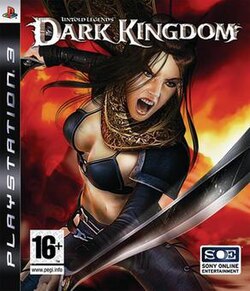
 Untold Legends: Dark Kingdom on PS3
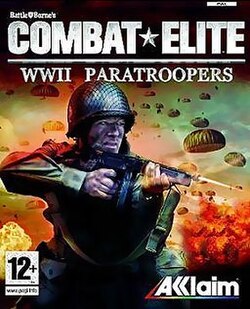
 Combat Elite: WWII Paratroopers on PS2
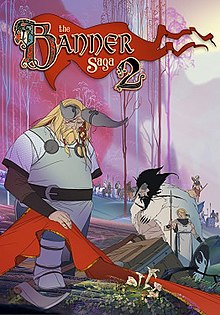
 The Banner Saga 2 on PS4
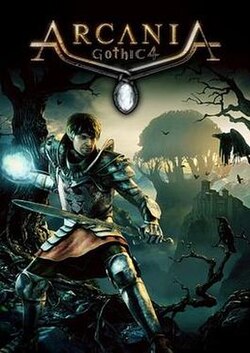
 Arcania: The Complete Tale on PS3
 Gnosia on Xbox Series X/S
 Gloria Union: Twin Fates in Blue Ocean FHD Edition on Switch
 Baroque on Switch












 Another SquareThought Site