



Dokapon DX: Wataru Sekai wa Oni Darake arrives on PlayStation 2 bearing the same polite mystery as any Japan-only title that insists you read the manual in a language you don't understand. Officially, it's an action game developed and published by Asmik Ace Entertainment; unofficially, it's a charming oddity that looks like someone told a party game, an RPG and a daytime variety show to share a house and sort out rent. If you're hoping for a widescreen, trophy-studded modern experience, this is not it. If you're interested in something that plays fast and loose with expectations and prefers chaotic multiplayer to streamlined polish, you might find unexpected joy - or at least a good story to tell friends who own four controllers and questionable impulse control.
The documentation on Dokapon DX is refreshingly minimal, which leaves a lot of room for interpretation and for the game itself to do the talking. What can be said with certainty is that it wears the 'action' label and supports both single-player and multiplayer modes. In practice that means you will be engaging in direct, immediate gameplay rather than the slow, methodical pacing of a turn-based epic. Expect explosions of input, quick reflexes, and the type of moments that look better from someone else's stream. Multiplayer is where this title supposedly comes alive. Playing with friends turns the screen into a negotiation table where alliances form and dissolve faster than your will to be merciful. The kind of multiplayer that rewards gloating rights over mechanical mastery is a comfortingly retro niche, and Dokapon DX occupies it with the smug confidence of a game that knows its audience. Single-player mode exists for those who prefer arguing with virtual opponents; it will fill the hole in your social life adequately but not spectacularly. Combat and progression are presented in short, digestible bursts rather than lengthy strategic exercises. That keeps matches brisk, and that briskness is the backbone of the game's charm. There are elements of risk and reward: players take actions that pay off immediately or sow the seeds of later misery. The learning curve is gentle enough to be approachable yet riddled with enough quirks that you will have to learn by doing, or by watching someone else suffer and remembering to never make the same mistake. Controls are functional rather than revolutionary. The PlayStation 2 controller does exactly what it's asked, without inventing new laws of physics. That lack of ambition can be a virtue; it makes the game easy to pick up for newcomers and maddeningly simple for veterans who expect deeper systems. The user interface throws the essentials at you and not much more, which aligns neatly with the game's overall aesthetic: efficient, slightly brusque, and unbothered by modern niceties. There are occasions where the experience feels underdocumented. If you like being gently punished for exploring systems the designers didn't fully explain, you'll fit right in. If you prefer detailed tutorials and tooltip libraries, the game will look like an old friend who forgets birthdays but shows up with snacks. Either way, Dokapon DX rewards repetition, chaos and short, brutal encounters that create memorable anecdotes rather than scoreboards.
Graphically, Dokapon DX is content to occupy a middle ground: nothing here will be used to sell a console or to simulate sunlight, but the visual style is clear and functional. Character models are colorful and expressive in a cartoony way that suits the game's lighthearted cruelty. Backgrounds are serviceable and legible; they don't ask for much attention and, in return, don't demand any. Some animations are charmingly stiff - which can be read as quaint or lazy depending on your tolerance for Y2K-era flair. Textures and resolution reflect the era and the platform. This is PlayStation 2 territory: you will see edges, you will see repetition, and occasionally you will be reminded that you are not playing something that was designed in 2020. That honesty is oddly refreshing. The game doesn't attempt to fool anyone into thinking it's cutting-edge; instead it focuses on clarity and color palette choices that make multiplayer chaos readable even when four people are fighting over the same objective. Sound design follows the same doctrine. The soundtrack pumps out jaunty tunes that stamp a smile on the proceedings, and the sound effects provide immediate feedback without overstaying their welcome. Voice work is minimal - more a series of barks and exclamations than a fully voiced drama - but that suits a game that thrives on quick interactions and immediate consequences. Overall, the audiovisual package is competent, occasionally delightful, and never apologetically modern.
Dokapon DX: Wataru Sekai wa Oni Darake is the kind of game that will divide rooms and cause arguments that are better remembered than the games that inspired them. It's not trying to be an artistic statement or a technical milestone; it wants to be played, yelled at, laughed with, and sometimes thrown across a living room floor in a theatrical show of passion. The Japan-only release and sparse documentation make it feel like a secret handshake for those who stumble upon it, and that sense of discovery is part of the appeal. If you are hunting for depth measured in spreadsheets and meta-analyses, you will be disappointed. If you want blunt, joyous multiplayer chaos with an approachable learning curve and an offbeat sense of humor, this will fit the bill. The PlayStation 2 port gives the GameCube original a second life, and while it doesn't reinvent the wheel, it oil-sprays it with enough charm that the wheel keeps turning. Final verdict: Solid, occasionally infuriating and consistently entertaining in short bursts. Play it with friends, bring snacks, and accept that you will probably end up laughing about how unfair the game was - because sometimes unfair is the main event. 6.5 out of 10: not perfect, but perfectly suited for nights where the point is to create stories rather than perfect scores.
 Dokapon Journey on DS
 Oni on PS2
 Disney's Chicken Little: Ace in Action on PS2
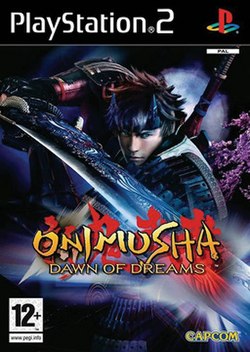
 Onimusha: Dawn of Dreams on PS2
 Action Man: Operation Extreme on PlayStation
 Door Kickers: Action Squad on Switch












 Another SquareThought Site