

 Jun 2013


There are games that wear their pedigree on their sleeve and then there is Vividred Operation: Hyper Intimate Power, a PlayStation 3 tie-in that proudly straps the anime's color palette, dramatic poses and earnest theme-park-level friendship onto a humble action chassis. Released on the PlayStation Network by Banpresto and Bandai Namco Games on June 20, 2013, this is the sort of licensed title that will be judged half by fan-service expectations and half by whether it stands on its own as a competent action romp. If you grew up reading lengthy preview blurbs in the back of 1990s gaming magazines and judged everything by screenshots and the size of the instruction manual, this one will feel like a familiar appointment: flashy, occasionally deep, and occasionally hampered by the odd design choice.
Hyper Intimate Power is, at heart, an action adaptation of a twelve-episode anime about girls who gain the ability to transform via the Vivid System and 'dock' to form more powerful permutations. The game attempts to translate those cartoon mechanics directly: you control Akane Isshiki and, in time, her classmates Aoi, Wakaba and Himawari (and the troubled Rei) as they dispatch Alone monsters threatening the Manifestation Engine. Expect a mission-based structure rather than an open island: scripted encounters, boss fights with evolving forms and a steady parade of electromagnetically themed enemies that change behavior after being 'shot' by Rei's arrow-an homage to the source material's evolution gimmick. Combat borrows from strandable action games of old. Light and heavy attacks combo into spectacle moves; each heroine brings a signature weapon-the boomerang Naked Rang, rocket hammer Naked Impact, sword Naked Blade and drone-based Naked Collider-and these toys give each character an identifiable feel. Docking is the headline mechanical twist and the developers wisely make it feel important. When two girls link up, their abilities combine into Vivid Blue/Green/Yellow/Red forms; these are not mere palette swaps. Docking grants access to amplified specials: larger hitboxes, more devastating finishers and a short-lived burst of invulnerability that turns tight platforming sequences into three-frame spectacles. The game nods to the anime's insistence on friendship as a power-up: certain encounters require you to time a docking initiation mid-combo-picture executing a crescent boomerang, locking on, and then triggering the partner fusion to convert a near-loss into a cinematic comeback. This makes for satisfying clutch moments, although the docking animations occasionally eat input frames, which can be the difference between stylish rescue and getting flung into a 'game over' screen. Controls are serviceable, leaning on the PS3 controller's face buttons and shoulder triggers; for players who remember muscle memory from 2D fighters, the responsiveness is acceptable though never jaw-dropping. There is a small selection of side activities that echo the franchise's lighter tone: a mayonnaise-themed minigame was released on PSN earlier in March, and the main title keeps things breezy between missions with little vignettes and stills lifted from the anime. These fragments add charm and fan-oriented rewards-unlockable illustrations, voice clips and short cutscenes featuring the game's voice talent. Speaking of voices, the game leans on the familiar cast of the television series: Akane's effervescence, Rei's quiet menace and Kenjirou's madcap scientific babble are all present, lending authenticity to the presentation. Difficulty is pitched toward fans rather than hardcore action veterans. Expect a steady learning curve with isolated spikes during boss evolutions, where the Alone's powered-up state and electromagnetic shenanigans will punish sloppy play. Replay value is moderate: unlocking costumes and alternate Vivid forms adds incentive, but mission design is repetitive enough that only completionists and anime die-hards will grind for everything. Still, in short bursts the game provides the kind of immediate satisfaction a console owner wants after a long day of chores, and it adheres to the franchise's promise of big, colorful confrontation.
Graphically the title is admirable for a licensed PSN release. Character models are faithful to the A-1 Pictures designs and the animation team does a commendable job of preserving the show's exaggerated poses and transformation sequences. If you were buying a PlayStation 3 in the late 2000s for its shiny polygonal dreams, you'll appreciate that the models are detailed and textured with a crispness that keeps them from dissolving into mush on a 1080p screen. Environments, conversely, are functional rather than luxuriant: industrial platforms, the occasional cityscape and the blue-sky vistas around the Manifestation Engine are attractive but sparse compared to full-budget AAA backdrops. Lighting and particle effects carry a lot of the spectacle. Docking and Vivid transformations get the full pyrotechnics treatment-sweeping lens flares, layered glow and enough animated ribbons to put a mid-90s JRPG to shame. Bosses stand out, often designed to reflect the Alone's evolving mechanics with new appendages and red laser arcs. Sometimes the camera staging is too theatrical; the 1990s reviewer in me appreciates a fixed, reliable viewpoint for action games, and here the camera occasionally indulges in wide-angle swoops that obscure hurtboxes and make precise platforming less predictable. Still, the overall package looks like the anime walked off television and into your living room with its best dress on.
Banpresto and Bandai Namco have produced an adaptation that understands what most fans want: faithful aesthetics, familiar voices and the Vivid system's emotional hook transposed into gameplay. It does not, however, reinvent action gaming. Hyper Intimate Power is competent, occasionally clever and frequently affectionate toward its source, but it is also sometimes let down by repetitive mission design, a few input-hungry animations and camera choices that prefer spectacle to clarity. For collectors, fans of the series and players who enjoy short, brightly-colored action sessions with a strong cast and voicework, it is a rewarding buy. For those yearning for deeper mechanical complexity or a sprawling world to get lost in, the experience will feel like a solid single-season anime: not every scene is essential, but enough of them land to make the hour and a half well spent. Score: 7/10. It does what it sets out to do with flair, but you will need to be on the Vivid wavelength to forgive its rougher edges.
 Power Pro Kun Pocket 13 on DS
 Power Gig: Rise of the SixString on PS3
 Power Pro Kun Pocket 14 on DS
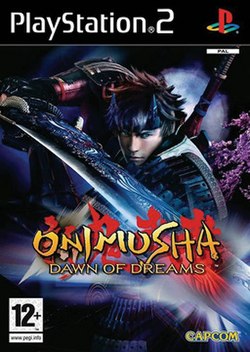
 Onimusha: Dawn of Dreams on PS2
 Action Man: Operation Extreme on PlayStation
 Door Kickers: Action Squad on Switch
 3rd Super Robot Wars Alpha: To the End of the Galaxy on PS2
 Bakuretsu Hunter: Sorezore no Omoi...Nowaan Chatte on PlayStation
 Nodame Cantabile on PS2
 Lupin the 3rd: Treasure of the Sorcerer King on PS2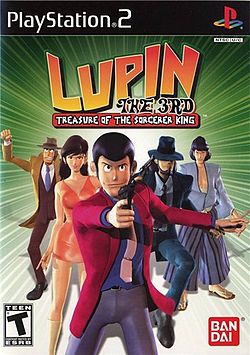










 Another SquareThought Site