

 Jun 2025
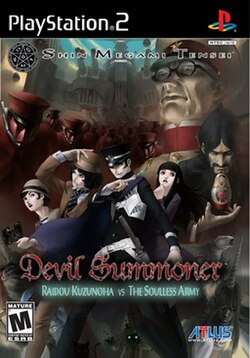

Raidou Remastered slaps an old-school detective cap on a demon-summoning, sword-swinging action-RPG and sends it swaggering through a fictionalized 1931 Tokyo. The original 2006 PS2 outing swapped the usual Shin Megami Tensei turn-based duels for real-time arenas, and the remaster keeps that brisk, sometimes brutal heartbeat while polishing visuals and bringing the package to modern systems via Unity. If you like your challenges served with equal parts twitch and strategy - think precise swordwork, measured gunplay, demon management, and some stubborn grinding for loyalty - Raidou will keep you busy. It's compact (the original was criticized for being a bit short), but it demands attention to multiple skill sets all at once. Consider this a bite-sized, occasionally spiky lesson in how to juggle reflexes, planning and resource wrangling without dropping a demon or your dignity.
The game's combat is a small-arena, real-time tango where Raidou toggles between close-range sword strikes and long-range pistol shots while his summoned demons try not to trip over each other. Battles are not sprawling affairs; they take place in contained pockets, which turns each encounter into a personal test of prioritization. Can you finish off the high-damage flyer before the bruiser bodychecks Raidou into the scenery? Do you risk weakening a demon enough to capture it and hope the loot is worth the gamble? These are the kinds of split-second decisions Raidou constantly throws at you. Mechanically, Raidou is an exercise in mixed-discipline gameplay. At a finger-press level you need timing and aim: sword combos require getting in close without getting punished, and the gun gives you space but asks for marksmanship and moment-to-moment threat assessment. The demons you summon add another layer: they act as both damage-dealers and tactical tools, and their presence invites you to think like a small army commander, not just a sword-for-hire. The capture mechanic rewards careful weakening of foes, which means you must switch mental modes between 'damage to kill' and 'damage to capture' on the fly. The remaster preserves the original's loyalty system, and that is where Raidou transitions from a button-tapper into a planner's game. Demons only unlock their more potent combined attacks (one that syncs with your sword or gun) after they've spent many battles at your side. That loyalty is not instant or trivial; it requires deliberate pairing, repeated use, and willingness to babysit a party member who might be underperforming while you nurture a future powerhouse. If you enjoy long-term investments and delayed gratification, this rewards attention. If you hate babysitting your digital pets, prepare to be annoyed by underused demons who sulk because you left them in the bench. Fusion is another strategic pillar. Beyond the classic two-for-one demon fusion, Raidou hands you a cheeky option: fuse a demon into your blade. That's not just flavour text - weapon-fusion is a tangible power-scaling tool that forces you to make choices. Do you graft a demon to boost immediate damage, or save it for a more nuanced party fusion that creates a demon with a desirable skillset? Fusion planning becomes a mini-economy of resources, levels and loyalty, where a rushed decision can leave Rift-sized holes in your strategy later. There is an element of risk management baked into exploration as well. Random encounters change by area, and battles can usually be fled - except the escape timer is random. That randomness punishes greed and sloppy play: trying to bail on a fight when your weapon's half-broken and a mini-boss is throwing you around is not a guaranteed get-out-of-jail-free card. It becomes a game of reading the room: sometimes you commit and grind through problems; sometimes you accept that the city will not be saved today and live to fight more demons tomorrow. Beyond raw combat skills the game wants you to master inventory sense, party composition, and meta-planning. Because demons are visible when they follow you in the world, you can scout potential captures before engaging - which turns recruitment into a scouting discipline. There's satisfaction in stalking a particularly rare demon, weakening it on your terms, then locking it down. Conversely, the narrative case structure (Raidou is a high-school-aged detective working under Narumi of the Narumi Detective Agency and the shadowy Yatagarasu organization) pulls you towards particular locations in Taishō-era Tokyo, so your exploration is not aimless but targeted. You learn to allocate time between story beats and the loyalty/grind loop. Skill-wise, Raidou asks for four major talents: reflexes (to swing and shoot in real time), aim/timing (to use the gun meaningfully and connect sword combos), strategic planning (fusion, loyalty and demon rosters), and patience (for the inevitable grind and random escape timers). Pulling all of them together makes the game sing. Ignore any one, and the Soulless Army feels like a pile-on. The remaster smooths edges but doesn't remove the need to learn these systems. It remains a compact challenge: short enough that your mistakes don't feel crushing, long enough that the skill ceiling is meaningful. If you play it like a button-mashing binge, the city will chew you up. If you play it like an urban demonologist with a spreadsheet, you'll have a blast.
Visually the remaster is a curious mix of preservationism and modern touch-up. The original used pre-rendered backgrounds to achieve a lot of detail on the PS2, and the aesthetics of Taishō-era Tokyo - Art Deco facades rubbing shoulders with remnants of Edo architecture - still land well. The remaster runs in Unity and cleans up textures and lighting, but it doesn't re-sculpt the game's identity into something unrecognizable. Expect cleaner models, less jaggy hair, and a general sense that the scenery has been dusted off. Where the graphics matter for challenge is in readability: enemy telegraphs, arena boundaries and demon silhouettes are clearer now, which rewards precise play. You can actually see who is circling for a backstab and which summoned demon is lagging, which helps when you're multitasking. The trade-off is that some of the original's rough charm is polished away; the world looks a touch less like a 1930s noir postcard and a bit more like a modern remaster trying to be kind to your eyes. It's not about flashy next-gen bells - this isn't a showy remake with ray-tracing trumpets - it's about making a 2006 action-RPG legible and fair for today's expectations.
Raidou Remastered: The Mystery of the Soulless Army is the kind of game that rewards people who enjoy mastering systems as much as they enjoy narrative beats. It's compact, occasionally terse in length, and dares you to juggle twitch reflexes with long-term demon management and fusion theorycraft. The remaster makes the package presentable and easier on the eyes without neutering the challenge, so the loyalty polygons and capture gambits still matter. If you like your RPGs with a little bite - where the feeling of victory often comes from making fewer mistakes than last time rather than from raw stat power - Raidou serves that appetite well. It's not perfect, and its brevity is still a real thing; if you're looking for a sprawling 100-hour action epic, this isn't it. If you want a tight, strategy-sprinkled action-RPG that will test your timing, planning and patience, then summon a demon, sheath it into your sword if you must, and go do some detective work. The Soulless Army won't wait politely while you read a tutorial.
 Raidou Remastered: The Mystery of the Soulless Army on Switch 2
 Raidou Remastered: The Mystery of the Soulless Army on PS5
 Combat Elite: WWII Paratroopers on PS2
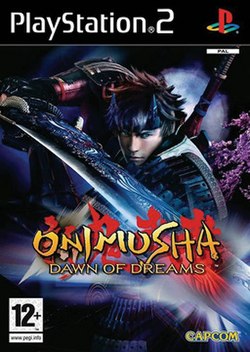
 Onimusha: Dawn of Dreams on PS2
 Action Man: Operation Extreme on PlayStation
 Project Sakura Wars on PS4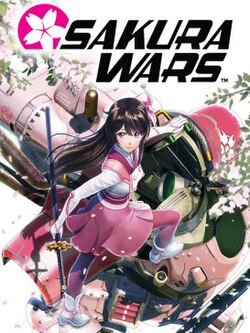
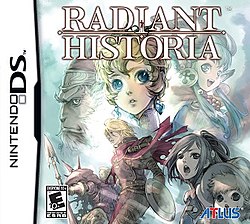
 Radiant Historia on DS
 Catherine: Full Body on PS4
 Persona on PlayStation
 Persona 5 Tactica on Xbox Series X/S
 Catherine: Full Body on Switch










 Another SquareThought Site