

 Jul 2019
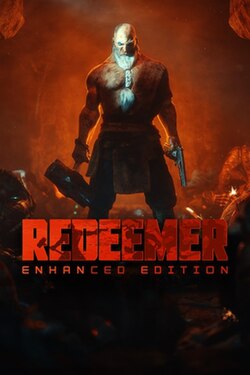

Redeemer: Enhanced Edition is the meat-and-potatoes answer to anyone who thinks subtleties and diplomacy are optional in videogames. You play Vasily, a dead-serious former elite operative hiding in a mountain monastery until an evil corporation treats your spiritual retreat like a neighborhood convenience store - and promptly vandalizes it. The Enhanced Edition shipped to consoles (PS4 included) with a couple of extra tricks: local two-player co-op, balance tweaks, and distinct abilities for the 'Monk' and 'Soldier' classes. If you're looking for a finesse-driven narrative experience, this isn't it. If you like brawling with chairs, hurling enemies through refrigerators, and finding creative ways to make thugs reconsider their life choices, Redeemer is a compact, sometimes glorious, and sometimes frustrating arena for blood-and-bruises choreography.
Redeemer's core loop mixes exploration, stealth and face-first violence. Levels are arenas where you alternate between creeping through shadows and detonating your inner wrecking ball. That switch is the heart of the skill ceiling: you need patience to set up stealth takedowns, timing to thread through enemy patrols, and raw reflexes to survive when things go loud. The game gives you three main weapon archetypes - cudgels, sledgehammers and knives - but the real weapons are environmental: chairs, tables, fridges and whatever heavy thing the level designer left within arm's reach. Learning to spot and use interactives is a fundamental skill; they turn a messy room full of enemies into a tactical playground. Combat is fast and tactile when it works. Basic attacks chain into grapples, throws, and a pounce maneuver that rewards being close and decisive. There is also a one-button quick kill mechanic for when the stars align and the excitable NPC is standing in exactly the right place. Timing is everything here: mistime a grapple and you trade a cinematic throw for a faceful of lead. Crowd control becomes your daily prayer; you learn to prioritize - stab the knife-wielder before the one with a rifle, throw the grenade-lobber into a wall - and to move constantly so you avoid being corralled. Enemies sometimes have immunities, and bosses can be annoyingly resistant to regular attacks, forcing the player to change strategy rather than mash the same button until someone sobs. Stealth sections reward slow, measured gameplay: observe patrols, plan your pounce, and use one-button kills to thin numbers before the inevitable alarm. Once the alarm is raised, however, Redeemer slips into brawler mode, and skill emphasis shifts to positioning, hit-confirmation, and resource management. Power-ups and weapon upgrades are scattered through levels; hoarding and using these at the right time - not just the first instant you find them - makes a difference. The Enhanced Edition's rebalanced levels make some encounters less of a coin-flip, but there are still moments where the game expects you to adapt mid-fight. There are two playable archetypes in the Enhanced Edition: 'Monk' and 'Soldier'. The Monk is more about close-range brutality and grapples; the Soldier brings a slightly more tactical, ranged-flavor of combat. That divide nudges you toward different skill sets. Play Monk to refine close-quarters composition, timing, and environmental kills. Play Soldier to practice spacing, cover-dodging and managing ranged threats. Local co-op adds another layer: teamwork matters. You and a buddy can set up complementary strategies - one distracts, the other finishes - but co-op also raises the chaos meter: coordination, shared sense of threat, and the ability to cover each other's blind spots become valuable skills. What Redeemer demands from players is adaptability. You'll be learning enemy patterns, punishing poor positioning, and executing situational counters. Good runs feel like flow states where every throw and environmental smash earns a tiny fist-pump. Bad runs make you question your controller loyalty. Boss battles, in particular, can be skill-checks that require you to recognize attack windows and resist the urge to button-mash; they reward pattern reading, patience, and the willingness to experiment when your usual strategy fails. Overall, the game favors players who enjoy tactile combat systems and are willing to learn by doing rather than watching tutorials.
Visually, Redeemer isn't trying to win any art contests, but it does a solid job at conveying weight and impact. Unreal Engine powers environments that look utilitarian - factories, compound interiors, and the occasional monastery corridor - but the grime, dented metal, and flying debris during kills sell the moment better than a glossy skin. Animations are serviceable and land the hits in a satisfying way, especially when you nail a throw or slam an enemy into a prop. The Enhanced Edition doesn't overhaul the aesthetic so much as polish the presentation and performance for consoles, which matters when the game asks you to react with millisecond precision; smooth framerate and clear hit feedback are part of the challenge because they let you learn enemy rhythms without screen judder getting in the way.
Redeemer: Enhanced Edition is a compact, bruising package that rewards reflexes, planning, and a healthy appreciation for environmental violence. It's at its best when the combat lines up - stealth set-up works, a well-timed grapple becomes a chain reaction, and the controller vibrates like a small, satisfied alarm. It's less fun when boss immunities and inconsistent mechanics force you into repetitive retries. If you care primarily about challenge and skill, this game will teach you fast: patience, positioning, timing, crowd control, and adaptability are the currency here. Toss in a friend for local co-op and the experience becomes messier and more forgiving in equal measure. For the price of a few late-night rage quits and several glorious clean runs, Redeemer offers a satisfying workout for anyone who prefers brawling with strategy over pew-pew with autopilot.
 Neverwinter Nights: Enhanced Edition on Switch
 PS5 Disc Console vs. PS5 Digital Edition: Which One Should You Get?
 PlayStation Home on PS3
 Gaelic Football '25 on Xbox Series X/S
 Together! The Battle Cats on Switch
 Crash Bandicoot: The Wrath of Cortex on PS2
 9 Monkeys of Shaolin on PS49 Monkeys of Shaolin on Xbox One










 Another SquareThought Site