

 Sep 2025


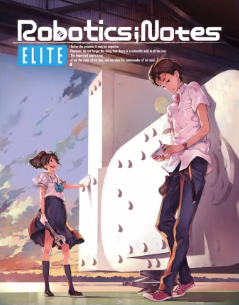
Robotics;Notes Elite is the spruced-up, HD-flavored reissue of 5pb.'s island-bound sci-fi visual novel, pushed onto PS4 as part of the Elite HD double pack. It behaves like a long, well-illustrated detective-style high school drama that got very deep into hobby-robot politics and accidentally wandered into a conspiracy that wants to vaporize humanity with a manufactured solar flare. If that sounds weird on paper, the game's real power is not its gimmicky premise but the way it turns a ragtag robotics club into the emotional nucleus of a conspiracy thriller. The Elite edition polishes the visuals and adds animated scenes, which help sell character moments - crucial because this story lives and dies by its people. This review digs into the characters and their arcs, because in a game that mostly reads like a novel with 3D models, the characters are the engine.
Gameplay in Robotics;Notes Elite is a classic visual-novel affair: mostly reading, occasional choices, and a sprinkle of interactive apps via the PokeCom Trigger system. The PokeCom replaces the Phone Trigger from Steins;Gate and lets you use tablet applications like Deluoode Map, Twipo (a Twitter analogue) and Iru-O, an augmented reality/image-recognition tool. These apps are less "twitch skill" and more "flavor and branching glue": they let you pry into locations, reply to NPC posts with canned responses, and tag objects with AR overlays that tie into the story. The narrative is presented across twelve linear "phases," though choices sometimes let you skip phases entirely, which gives a modest illusion of control. Elite adds remodeled characters and new animated cuts, which make the otherwise static pacing feel more cinematic at times. If you came expecting mechanical misdirection like a puzzle-heavy adventure, this is not that. Instead, the game trades on slow-burn character beats. The way the gameplay is structured underlines the central theme: you're not piloting a giant robot every five minutes - you're witnessing a group of nervous, hopeful kids try to make one. The PokeCom sequences do double duty, providing both diegetic tech (AR in-story) and a narrative mechanic that occasionally forces you to commit to a line of action. It's a tidy fit for the game's slower tempo: the choices shape your understanding of relationships and can gate character-focused scenes, but they rarely turn the plot upside-down. That's fine, because the emotional payoff comes from the arcs rather than branching bombshells.
Elite's visuals are where the game earns some of its truest praise. Robotics;Notes originally introduced 3D character models in a series known for 2D art; Elite remasters and polishes those models, and adds new animated scenes which lift key moments from static text into something watchable. Backgrounds of Tanegashima are lovingly rendered: the island feels lived-in, a real coastal stage for a sci-fi melodrama rather than a generic school backdrop. Mechanical designs - Gunbuild-1, Gunbuild-2, SUMERAGI - carry the series' tongue-in-cheek mecha charm: nothing too Gundam-scale, more like lovingly crafted props for a very dedicated cosplay. The game's animated inserts and updated models help with emotional beats. When Misaki's past is unpacked or when Airi's digital existence flickers on-screen, those moments feel cinematic rather than just narrated. That said, the 3D character models can be a little stiff in close-ups and the occasional lip-sync or animation jitter shows its VN roots. Elite does enough, though, to justify the HD label: the new scenes and remodelling make the character interactions read clearer and the big climactic robot set pieces feel grander than the base release.
Where Robotics;Notes Elite really shines is in its characters and how the game earns their evolutions. Kaito Yashio, the reluctant protagonist who prefers fighting games to robotics, starts as a lazy, slightly self-absorbed narrator but gradually becomes the emotional pilot of the club: his membership is not a cosplay of heroism but a commitment to Akiho and the idea that people build things together. Akiho Senomiya is the archetypal dreamer - intense, slightly unhinged about finishing Gunbuild-1 - and her arc is quietly tragic and oddly inspiring: she goes from lone fanatic to the heart of a community that builds her dream into reality. Misaki, who killed Kimijima in a past incident, is the human ghost that haunts the story: her act of violence and subsequent brainwashing are the moral scars the plot uses to show how conspiracy can pervert love and heroics. Airi is a spectacularly well-handled duality: part AI in the Iru-O system, part comatose girl in the real world. The game treats her as both an ethical quandary and a real person, making the player feel the strangeness of affection for code. Kō Kimijima, the villain, is mostly human-then-ghostly-AI: his arc from dead scientist to cyber-ghost puppet-master feeds the series' paranoia about uploaded consciousness and technocratic cabals (the always-delightful Committee of 300). Secondary players, like Subaru (the Robo-One champ with an identity as Mr. Pleiades), Frau (the game creator with family ties to Gunvarrel's propaganda), Junna (the karate kid with robophobia), and returning Science Adventure faces like Nae and DaSH, provide texture and history, each with small but satisfying payoffs. The climax is a messy, operatic collision of character arcs and plot mechanics: the Gunbuild-1 upgrade into Super Gunbuild-1, Kaito piloting to confront SUMERAGI, the script/code to delete Kimijima - it's melodramatic in the best VN way. The payoff lands because the characters have been given room to breathe beforehand; Elite's added animation helps sell those moments. The game is not perfect: pacing can be sluggish, and the English release has been criticized for some localization and technical issues on PC. But if your heart warms for underdog clubs, morally complicated AIs, and giant-robot cosplay that turns into genuine heroism, Robotics;Notes Elite is a rewarding ride. Recommendation: pick this up if you like character-driven visual novels, appreciate subtle sci-fi ethics, and don't mind a linear ride where the emotional road is the whole point. Fans of Steins;Gate and the Science Adventure series will find familiar veins of conspiracy and crossover cameos to nibble on, while newcomers will likely be swept along by one of the more sincere portrayals of how friends build a ridiculous dream into something that saves a town - and maybe the world, if you let it.
 Robotics;Notes Elite on Switch
 Robotics;Notes Dash on Switch
 Root Film on PS4
 Tokimeki Memorial Drama Series Vol. 3 Tabidachi no Uta on PlayStation
 Oshiete! Popotan on PS2
 Princess Princess on PS2
 Robotics;Notes on PS3
 Memories Off Historia Vol. 1 on PS4
 Chaos;Head Noah / Chaos;Child Double Pack on Switch
 Dunamis 15 on PS3










 Another SquareThought Site