

 Nov 2016
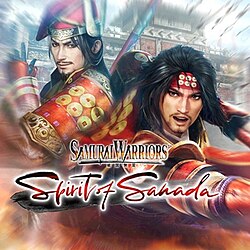

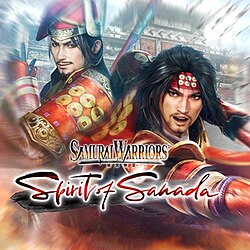
If you've ever wanted to play as a historically themed whirlwind of sword slashes, spear pokes, and dramatic slow-motion dramaticness, Samurai Warriors: Spirit of Sanada is like getting handed a samurai-shaped snowblower and told to clear a medieval battlefield. This spin-off from the Samurai Warriors series (itself a cousin of Dynasty Warriors, which means the family reunions involve a lot of people falling over) focuses almost exclusively on the Sanada clan and the theatrics of the Sengoku period. It's single-player, loud, and occasionally a little sentimental about banners and family bonds. The PS4 version arrived in the west in May 2017 and brings the usual Omega Force banquet of thousands-of-enemies-on-screen action, but wrapped in a narrower, story-driven package that tries to balance spectacle with a surprising amount of historical heart.
At its core, Spirit of Sanada is the hack-and-slash pillar you already know and probably love: pick a character, choose a battlefield, and mow through waves of mooks until the enemy commander decides they've had enough of being toyed with and dies in a particularly cinematic way. The objective structure hasn't forgotten its roots - killing commanders, capturing bases, and completing side tasks to raise ally morale are the order of the day - but this title spices things up with a couple of relatively thoughtful systems. First, the game reuses the engine and feel of Samurai Warriors 4 (so if you've played that, consider this the 'remix with extra banners' edition). Controls remain satisfyingly crunchy: light and heavy attacks combine into flashy combos, Musou-like special moves still make you feel like a walking earthquake, and the sheer joy of watching tiny soldiers fly off-screen never gets old. Where Spirit of Sanada differs is in the scale and structure of its battles. Long-term conflicts are split into multiple skirmishes, with a day-and-night cycle affecting objectives and atmosphere. It gives fights a campaign-like rhythm - win today's skirmish and your map shifts; fail and you'll be breaking out the emotional support katana. Stratagems are the new gizmo in your toolkit. They act like mid-battle plot twists you can trigger with 'Sanada Coins' - currency earned by completing conditions or collecting things in Castle Town. Want reinforcements? Drop a stratagem. Need a bridge? There's a stratagem for that. They feel a bit like playing real-time strategy with the emotional stakes turned up: they can change the flow of a battle and force you to think beyond 'I hit things until the meter fills.' This adds a pleasing layer of planning and resource management on top of the button-mashing bliss. Castle Town is the hub where the game unexpectedly turns cozy. Instead of a sterile menu, you walk around an interactive town and talk to NPCs to access story beats, galleries, and side activities. You can buy horses (because charging on foot is so last century), fish for items (yep, there's peaceful fishing between parenting-your-clan segments), and explore outskirts to face roaming baddies. Bonding with officers through these activities injects character moments into what could otherwise be a non-stop carnage treadmill. The story spans decades - roughly 1561 to 1615 - and the cast includes multiple incarnations of many characters as they age, which is a neat way to dramatize the Sanada family's arc. Regarding variety: the game includes the entire Samurai Warriors 4 roster plus three new officers (Masayuki Sanada in young and older forms, Chacha as child and young adult, and a ninja named Sasuke), bringing the playable count to around 61 if you're counting reincarnations and costume swaps. That's a buffet of styles and weaponry, and if you like collecting character-specific combos and weapon sets, DLC adds even more to the table. The campaign leans heavily into the Sanada perspective rather than offering multiple faction viewpoints, so if you were hoping to play every side of the Sengoku period, this is more of a focused mini-series than a sprawling anthology. The game does have some familiar Omega Force quirks: scenarios can feel repetitive if you spam the same character and combo over and over, objectives sometimes funnel you toward the same choke points, and the AI expects you to be the cleaning solution for every battlefield stain. But the day/night skirmish setup, stratagems, and Castle Town exploration mix things up enough to keep the pace lively, especially during the mid-to-late campaign when the political drama ramps up and the missions begin to feel like chapters in a samurai soap opera.
Visually, Spirit of Sanada looks like a polished chapter of Samurai Warriors 4 - character models are expressive when they need to be (angry eyebrows go a long way), costumes are detailed, and the environments range from serene mountain passes to banners-on-fire chaos. PS4 Pro owners get a 4K option, which is handy for spotting which side the horse ran off to. Crowd rendering - a critical metric for any Omega Force game - is handled well: the battlefield feels alive, with swarms of soldiers providing satisfying visual feedback when your special attacks throw them skyward. If you prize modern AAA-level textures and physics, you'll notice the engine has some age and quirks: animation transitions can be a bit staccato, facial animations occasionally drift into 'anime cardboard,' and environments reuse assets more than a traveling samurai reuses his one-liner. Still, the overall aesthetic is deliberate and charming; it's comfortable in its own historical costume and knows how to stage an epic charge. The Full 3D Map feature is a nice touch for players who like to see their strategic real estate from multiple angles. All told, it looks good for what it aims to be: a theatrical, slightly stylized retelling of Sengoku-era melodrama rather than a photoreal documentary.
Samurai Warriors: Spirit of Sanada is the kind of game that knows exactly what it wants to be: a character-forward hack-and-slash that celebrates family, banners, and the occasional theatrical death pose. It won't reinvent the wheel - if anything, it polishes the wheel until it gleams and sticks a Sanada crest on it - but it carves out its own identity by narrowing the narrative lens and adding smart little systems like stratagems and Castle Town life. Fans of the series will appreciate the familiar muscle of the combat engine and the huge roster; newcomers who like historical flavor with their violence will find the Sanada-focused story an engaging way to learn about the Sengoku period without paging through a textbook. The game earns solid marks for presentation, replayability (thank you, unlockables and DLC), and the way it balances spectacle with surprisingly cozy hub-town living. It can feel repetitive if you try to treat it purely as a button-masher endurance test, but if you lean into the strategy bits and the episodic storytelling, Spirit of Sanada becomes a rewarding samurai saga. Score-wise, it sits comfortably in the 'good' zone: not flawless, but full of personality and big, satisfying swings. If you want a single-player samurai party where the soundtrack is trumpets and the horsetail plumes wave proudly, this one's worth the ride.
 The Legend of Zelda: Spirit Tracks on DS
 Cozy Grove on Switch
 PlayStation Home on PS3
 Gaelic Football '25 on Xbox Series X/S
 Together! The Battle Cats on Switch
 Crash Bandicoot: The Wrath of Cortex on PS2
 Fire Emblem Warriors: Three Hopes on Switch
 Samurai Warriors 5 on Switch
 Wild Hearts on Xbox Series X/S
 Hyrule Warriors: Definitive Edition on Switch










 Another SquareThought Site