

 May 2024
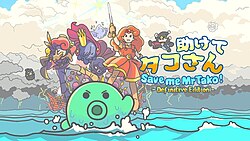

Save Me Mr Tako: Definitive Edition is the little indie platformer that looks like it was stitched together from Game Boy nostalgia and a pile of takoyaki. What started as Christophe Galati's student passion project grew into a side‑scrolling action-RPG full of hats, ink, and surprisingly moral friendships between humans and octopuses. On PS4, this edition feels like the version the game always wanted to be: physics tweaked, enemy AI sharpened, and player frustration softened with a life bar and hint system. If you're into precision platforming that punishes sloppy inputs and rewards learning patterns like you're studying for a very cute, very deadly final exam, this one will keep you busy.
At heart, Save Me Mr Tako is a side‑scroller that makes a virtue of demanding respect from your thumbs. Controls are deceptively simple: run, jump, and use a clamber ability that auto‑activates near ledges. That clamber is a mercy and a trap - it helps you reach high platforms but you need to understand its timing so it doesn't turn into a free ticket to a spike pit. Playing as Tako is the most flexible option: he shoots a non‑lethal ink projectile that stuns enemies and can equip a dizzying roster of hats. These hats are not cosmetics; over fifty hats change your abilities, grant special effects and double as damage buffers. The hat mechanic is the game's keystone challenge loop. When Tako gets hit, he loses his hat instead of immediate health damage; keep collecting hats and managing this buffer and you can scrape through rooms that would otherwise feel fatal. Levels are accessed from an overworld map, and the game invites backtracking: stages change as story beats occur, so areas you thought you mastered will throw new hazards or layouts at you. This design rewards players who have good memory and adaptability - you'll need to re-evaluate routes and re-learn enemy placements on revisits. The default three‑lives system is old‑school and tense. Die with lives left and you pop back to the last checkpoint; die with none and you restart the entire level. That risk raises the stakes on every split‑second decision, and makes checkpoints feel like tiny islands of safety you must defend with attention. Enemy encounters push you into pattern recognition mode. The ink stun is a tactical tool: timing your shots to interrupt sweeps or to stall a patrol is often the difference between surviving a room and getting overwhelmed. Boss fights and tougher rooms reward learning attack windows and conserving hats. Early builds of the game had a harsher death penalty - Tako could die instantly without a hat - but the Definitive Edition introduces a small life bar for balance, letting you survive a hit or two when your hat game falters. That change moves the challenge from pure trial‑and‑error to a test of skill and resource management. Playing as other human or octopus characters changes the gameplay loop entirely. These characters are intentionally less flexible - they come with preset moves like sword strikes, and limited utility compared to Tako's hat toolbox. That forces you to swap playstyles between levels: one stage might be a hat‑driven puzzle of mobility and ranged stun, the next a close‑quarters, timing‑dependent brawl where you can't rely on the same safety net. Learning to shift mindsets - from ranged-stun tactics to tight sword combos - is one of the more satisfying skill tests in the game. Definitive Edition also tunes many subtle systems that affect challenge: physics and camera motion were improved to reduce cheap deaths; hat and ink systems were polished so they're more reliable in crunch moments; enemy AI was tightened so foes telegraph better but still punish indecision. There are now difficulty modes and a hint system for players who want the game's charm without the teeth, but if you choose the default difficulty you'll get a proper bite. The shops and hat economy introduce light inventory decisions: do you spend scarce currency on a utility hat to solve a platforming problem or on a defensive hat to survive a gauntlet? Those choices make each run feel like a tiny strategy puzzle. Skills this game asks of you: timing and precision platforming, cold pattern recognition for enemies and bosses, adaptability as you switch characters and revisit altered stages, resource management for hats and shops, and a little patience - especially on sections that force you to learn the camera and physics adjustments. If you enjoy improving through repeated attempts and savor the rush of finally clearing a level after memorizing a tricky jump, this is your jam. If you hate dying and reloading more than you hate spoilers, the hint system and easier modes exist to help, which is a thoughtful compromise from the developer.
Save Me Mr Tako proudly wears its Game Boy inspirations on its tentacles. The art uses 8‑bit color sensibilities applied within a modern engine (Unity), giving PS4 players crisp pixel art with pleasant animations and clear readability. The visuals are not trying to stun you with fidelity; instead they prioritize clarity - platforms, enemies and hazards are easily distinguished, which is important because the game expects precision. The aesthetic choice also ties to the developer's roots: Christophe Galati began this project as a student and explicitly modeled the visuals after classic handhelds. On PS4 this looks especially tidy: scaling and camera work are cleaner in the Definitive Edition, which matters when a stray pixel can mean a lost life. The UI and visual cues were also improved, so enemy tells and hat effects communicate their purpose without a manual.
Save Me Mr Tako: Definitive Edition is a delightful, sometimes infuriating, and ultimately fair little platformer. Its core challenge is built around hat management, timing, and the slow, rewarding mastery of systems rather than cheap tricks. The Definitive Edition smooths out many rough edges of the original: the life bar, improved physics, better AI and hint options turn a punishing indie into a challenging, approachable experience. If you enjoy learning enemy patterns, juggling utility vs defense, and squeezing every bit of performance out of a pixel jump, you'll find hours of satisfying difficulty here. It's not a masterpiece, but it's a lovingly made test of platforming chops with a personality (and an octopus) worth spending time with. Score: 7.5/10 - a solid, quirky challenge that rewards patience and skill.
 Save Me Mr Tako: Definitive Edition on Switch
 Eco Creatures: Save the Forest on DS
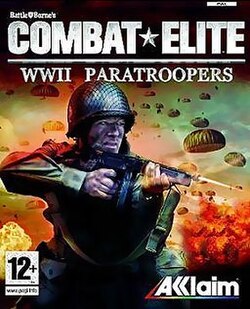
 Combat Elite: WWII Paratroopers on PS2
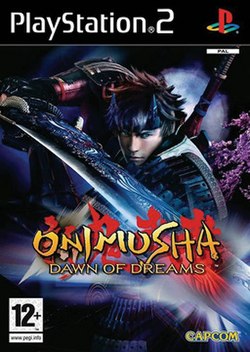
 Onimusha: Dawn of Dreams on PS2
 Disney's Chicken Little: Ace in Action on PS2
 Action Man: Operation Extreme on PlayStation










 Another SquareThought Site