

 Jun 2025
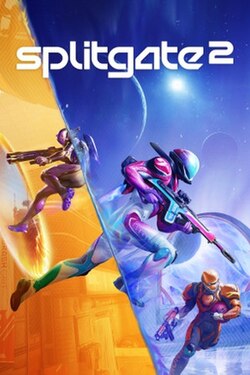

Splitgate 2 arrives on PS4 with the kind of quiet confidence usually reserved for products that have been through several stages of optimistic PowerPoint and at least one mass stakeholder nap. Developed and published by 1047 Games, the sequel turns up the polish, the team size (from about 15 people to over 200), and the corporate ambition - Ian Proulx called it a triple-A product, which is marketing-speak for 'we hope you like it enough to keep checking the in-game shop.' It is a free-to-play, multiplayer first-person shooter built in Unreal Engine 5, and it leans heavily on the original game's portal trickery while trying to play dress-up next to big shooters like Call of Duty and Halo. The marketing claims innovation, the community provides skepticism, and the game itself sits somewhere between playful science fiction and a moderately heated argument about spawn timers. For better or worse: that's the vibe.
If you liked shooting people and then immediately teleporting to confuse both them and your own sense of spatial awareness, Splitgate 2 doubles down. The core hook is familiar - place a portal here, look through it there, and either fire a gun, chase down an enemy, or make a tactical getaway like a buffed-up door-to-door salesperson. Traditional modes are present: round-based team deathmatch for people who enjoy polite murder in turns, and Hot Zone, which is Splitgate's take on King of the Hill. Hot Zone spices things up by increasing respawn times as the match goes on; if you start doing well you lower the respawn clock, which is an elegant math problem disguised as team chaos. There is also a 60-player battle royale mode for the people who wanted to shout "hot drop" into chat and regret their life choices in new arenas. The game adds three factions, each with a tiny novel of design notes attached. Aeros is the speed faction - think of it as caffeinated movement for players who call strafing an art form. Meridian is the support faction: healing, enemy location detection, and health-tracking abilities let you play medic without the tragic backstory. Sabrask focuses on defensive play; smart walls can block attacks and, if you're feeling particularly passive-aggressive, deny an enemy the portal route they'd planned. The factions change how you approach the portals: Aeros wants to portal aggressively and sprint into results, Meridian helps you keep friends alive long enough to be useful, and Sabrask makes the map into a polite warren of temporary cover. Maps were redesigned to be more symmetrical and less vertical than the old Splitgate, and the devs admitted they borrowed a lot of inspiration from Call of Duty-style multiplayer maps. If you were hoping for vertigo-inducing arena shooter maps, this is less of that and more 'balanced chaos' - fewer accidental cliff jumps, more predictable lanes. The team emphasized positioning, shooting, and portal usage over flashy ability spam, comparing the tactical balance to games like Valorant where aim and placement matter. There's also a built-in Lab map creator for people who enjoy building deathtraps and then wondering why nobody plays them online. Gameplay is enjoyable in bursts. The portal mechanic still delights: making a microwaved plan for someone who just peeked a corner never gets old. The problem is the other parts of the live service machine. At launch, the game shipped with 25 weapons, 15 maps, and 10 modes in open beta; that's a fine starting point, but a consistent content cadence is the promise and a poor store economy is where the romance ends. The live service framework means 1047 plans to rotate and add content, which can be great if they actually follow through. If they don't, it feels like being given a very promising book with half the chapters missing and a subscription fee for the next installment. The game's initial reception was mixed, and some of that landed at the feet of decisions outside the core code. Controversy followed a Summer Game Fest presentation where the director wore a politically suggestive hat and criticized other FPS games. This was described as tone-deaf by some outlets and complicated by a launch store that included wildly expensive microtransaction bundles, like a 'Nano Swarm' pack that reached eye-watering prices even on discount. The developers quickly halved some prices after backlash, but the damage to goodwill was already in play. By late July, 1047 announced the game was going "back to beta" to rework aspects with more playtesting, and they paused major updates until 2026 while also making some staffing changes. Which is industry euphemism for 'we underestimated how hard this would be.'
Splitgate 2 runs on Unreal Engine 5, and that shows in the cleaner edges, usable lighting, and the occasional moment where the game looks like a photography student who finally discovered HDR. The art direction favours functional sci-fi: military-ish armor, neon-lit portals, and arena fixtures that let you quickly distinguish a sightline from a bad idea. The PS4 build manages to present that UE5 sheen without turning it into an exercise in loading screen theology. It isn't a showroom piece for next-gen art, but it's more than competent on last-gen hardware; textures, particle effects, and portal shimmer are pleasant, and visual clarity is prioritized - which is useful when your life depends on seeing a tiny pixel of enemy movement through a glowing hole. Maps emphasize symmetry and readability rather than eye candy. That means fewer dramatic vistas and more practical layouts designed to keep matches moving and reduce accidental falls into voids of despair. Character models and skins are serviceable and readable at a distance, which matters more than having a thousand unnecessary ornaments if you're trying to land a headshot through two portals. The cosmetic ecosystem is clearly where the game expects to make money, and while the cosmetics are often well-designed, the pricing decisions at launch felt aggressive for a free-to-play title, overshadowing the otherwise tidy presentation.
Splitgate 2 is a game with a very good toy at its centre: portals remain a brilliant, high-skill low-fi mechanic that creates moments of giddy spatial treachery. When the servers are working, the maps cooperate and the player count is healthy, it provides a smart, satisfying multiplayer shooter loop that rewards aim, positioning and clever portal plays. However, the release was marred by company missteps - questionable stage theatrics, eyebrow-raising microtransactions, and a subsequent retreat to 'indefinite beta' with layoffs - that make the whole experience feel like a fast-food burger cooked by an ambitious graduate in culinary school who forgot to check the inventory. The reviews reflect that uneasy combination: critics found it competent and occasionally brilliant, but uneven as a package. Metacritic sits in the mixed-to-average range, and my own thumbs-on-PS4 play arrived at a score of 6.8 out of 10. If you're curious and you like portals, give it a try - it's free, and the core mechanics are inventive enough to merit some time. If you're allergic to live service rancidity, headline-making PR missteps, or cosmetic stores that require a second mortgage for that one legendary hat, you might want to keep an eye on the game's development in 2026 before committing. Either way, Splitgate 2 is worth a look for its central idea. The rest is work in progress, which is sometimes a charming phrase and sometimes a press release written in hopeful font.
 Warhammer 40,000: Boltgun 2 on Xbox Series X/S
 PixelJunk Shooter 2 on PS3
 Turok: Dinosaur Hunter on Switch
 Primal Carnage: Extinction on PS4










 Another SquareThought Site