

 Nov 2015
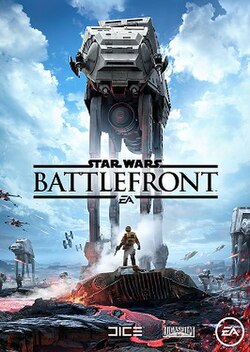

Star Wars Battlefront (2015) arrived like a cinematic fireworks display: stunning, noisy, and designed to make you feel like a movie extra with a jetpack. But if you were hoping for a traditional single-player campaign to shepherd you through character arcs, you would find the bookshelf empty-DICE removed the campaign to hit the 2015 holiday window. What remains is a multiplayer playground where the real character work happens by emergent storytelling: pick a hero token, spawn as Luke or Vader, and improvise an arc through victory, defeat, or humiliation by an errant TIE fighter. This review approaches Battlefront as if its cast were given social-media-length biographies and asked to improvise their development across 40-player skirmishes, DLC drops, and VR bonus missions. The game's strengths-visceral visuals, iconic audio, and approachable gunplay-are obvious. The trade-offs-sparse launch content, a season-pass model, and deliberately casual design choices-shape the kinds of character arcs you can expect: short, punchy, and multiplayer-centric rather than deep, reflective, or scripted.
Battlefront plays as a playground for personas more than as a novel with chapters. The player can toggle between first- and third-person perspectives, switch into vehicles, and-most importantly-assume the mantel of 'hero' characters when tokens spawn. That token-based hero system is the game's storytelling engine: heroes appear mid-match, pull focus, and then disappear. Luke Skywalker and Darth Vader are less protagonists here and more supercharged cameo roles-each appearance is a mini-arc where you either ascend into mythic duels or flame out spectacularly against a squadron of AT-STs. At launch the hero roster read like the greatest hits of the original trilogy: Luke, Vader, Han, Palpatine, Leia, and Boba Fett. Their DLC additions-Lando, Dengar, Bossk, Chewbacca, Jyn Erso, Orson Krennic, and more-function like post-credits scenes that expand the ensemble, each bringing a different playstyle and therefore a different 'narrative beat' to matches. Boba Fett, for example, is the brooding lone-wolf arc: short bursts of dominance, high mobility, then a dramatic fall. Palpatine is an unpredictable dark-mentor trope-when he appears, the tone of combat skews electric and chaotic. Heroes with bodyguards (and limited spawns) create stakes: keep your hero alive and your team gets the payoff; lose them and you watch the arc fizzle. Because there's no scripted campaign, much of the 'story' is player-created. Walker Assault is the closest thing to a set-piece narrative: Rebels must protect uplinks to call Y-wing bombing runs while the Empire slogs forward with towering AT-ATs. That ascent-and-defend rhythm gives both sides a collective arc each match-victory feels earned, defeat feels operatic. Modes like Supremacy and Cargo provide smaller, episodic arcs: control points change hands, heroes rise, the tide turns. The game's structure encourages short, satisfying character moments rather than long-form arcs. Cooperative missions and split-screen support on consoles let two players craft tiny duos and side-quests, while downloadable expansions such as Battle of Jakku and the Rogue One: Scarif pack insert new locations (and thus new contexts for character interactions). Criterion's PSVR Rogue One: X-Wing VR Mission gives a brief, literal pilot's-eye arc-one sortie with a beginning, middle, and triumphant end-that contrasts sharply with the otherwise open-ended multiplayer experience. Mechanically, Battlefront is friendly to newcomers: DICE deliberately simplified some shooter conventions (limited iron sights, accessible tuning) so that a dad and a kid can both feel like heroes on the same map. That accessibility shapes the arcs: players feel heroic more often, but those arcs are shallower. Customization, unlockable weapons and star cards, and shared unlocks within matches let teams experience incremental progression. Photogrammetry and Frostbite 3 produce the kind of scenery that makes every skirmish feel cinematic, which helps when you want to believe your Stormtrooper had a moment of redemption after a miraculous headshot.
Battlefront is, quite frankly, gorgeous. The game consistently ranks as one of the best-looking titles of its generation; Frostbite 3 and a heavy reliance on photogrammetry combine to give planets like Hoth and Endor a movie-set sheen. Visual fidelity isn't just for flexing: it scaffolds the emergent character work. When Darth Vader strides across a snowy battlefield, the lighting, particle effects, and audio design conspire to make that spawn feel like an arrival scene from Empire itself. Critics universally praised the visuals and sound, and the industry agreed with awards in sound design and technical categories. Non-playable cameos-C-3PO, Admiral Ackbar, Jabba-are small but effective touches that ground the multiplayer pandemonium in franchise continuity. The Death Star and Scarif DLCs expanded the palette with interior and tropical lighting that further diversified the dramatic possibilities for hero moments. Where the graphics truly earn their keep is in those incidental cinematic beats: a speederbike chase through Endor, a crashed Star Destroyer on Jakku, a lighting strike illuminating a lightsaber duel-each frame helps you invent a mini-plotline.
If you want to read character arcs in the traditional sense-beginning, middle, end, emotional growth-Battlefront will disappoint. The game deliberately replaces authored narrative with player-driven vignettes. That makes the experience a bit like watching an anthology of micro-dramas: gloriously staged, occasionally hollow, and often exhilarating. The heroes are less written characters and more roles to be inhabited; their growth comes in the form of your learning to pilot their strengths and avoid their crashes. The game's triumphs are unmistakable: sumptuous visuals, cinematic audio, tight, accessible gunplay, and a multiplayer design that makes each match feel like a scene from a Star Wars film. Its shortcomings-the lack of a campaign, a thin launch content pool, and DLC/season-pass controversies-are equally real and shape how deep your attachment to those in-game 'arcs' can become. For a PS4 owner who wants to role-play as cinematic icons for short, satisfying stretches and who enjoys emergent storytelling more than scripted epics, Battlefront is a must-try. For players craving a character study with closure, the best you'll get here are the player-made sagas: brief, glorious, and sometimes hilariously tragic when an AT-ST eats your hero five seconds after they spawn.
 Lego Star Wars II: The Original Trilogy on PS2
 Angry Birds Star Wars on PS3
 Disney's Chicken Little: Ace in Action on PS2
 Crimson Sea 2 on PS2
 Warhammer 40,000: Boltgun 2 on Xbox Series X/S
 Onimusha: Dawn of Dreams on PS2
 Battlefield 1 on PS4
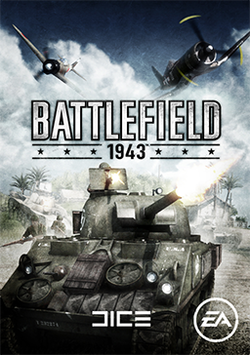
 Battlefield 1943 on PS3
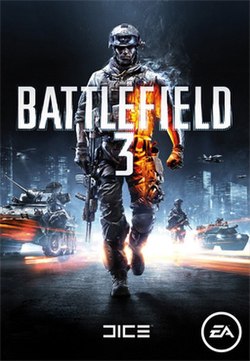
 Battlefield 3 on PS3
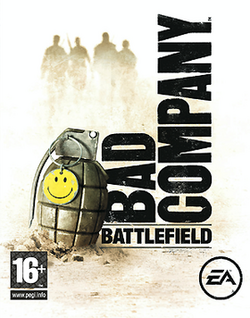
 Battlefield: Bad Company on PS3
 Battlefield 4 on PS4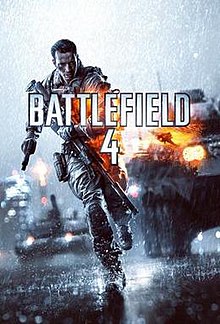










 Another SquareThought Site