

 Jan 2020


Tony Stewart's All-American Racing is a curious little beast: a racing game from Monster Games, a studio with roots stretching back to 1996 and a résumé of niche but earnest racing projects. Officially released in 2020 for platforms including PlayStation 4, it arrives from a developer whose life story reads like an indie racer trying to join the premier league - founded in 1996, later acquired by iRacing in 2022 and eventually folded into iRacing Studios in 2025. If you want the short version of what this game feels like, imagine a gritty dirt-track novella where cars whisper their grudges and the pit crew keeps the emotional arc together with duct tape and good intentions.
If you're expecting a traditional character-driven review, buckle up: the protagonists here are both human and mechanical. Tony Stewart plays the role of mentor-legend in the marketing materials, a grizzled figure of American short-track lore whose brief presence in the title acts like a literary cameo from Hemingway in a modern romcom. He doesn't need to monologue about the meaning of horsepower; his function is compact and deliberate - a guiding silhouette in the background, a promise that the racing ethos here adheres to real-world grit rather than arcade sparkle. The cars are the real cast members. The Rookie is awkward at first, whiny about traction and wildly optimistic about downforce. Over the course of races and upgrades, The Rookie learns to accept setup sheets and the quiet terror of oval banking, developing a seasoned sideways swagger that makes you root for it during last-lap chaos. The Veteran is a heavy, predictable sedan that spends the game learning humility after an early-season spin causes a humbling crash; its arc is low-key but satisfying, trading pure speed for measured control. There is also The Wild Card, a short-track sprinter that never quite learns to respect the line, and he is almost operatic in his refusal to apologize. Gameplay itself mirrors those arcs: early sessions feel like introductions - the handling is deliberate rather than sensational, the AI opponents behave like personalities rather than floating difficulty sliders. There's a noticeable focus on the small drama of racing: rubbing fenders, momentum battles, and pit stops that feel less like menu minutiae and more like emotional interludes. Career progression is less about unlocking flashy liveries and more about managing relationships - in practice, this translates into upgrading parts, tuning setups, and making choices about which races to enter. Those choices feed into the game's pacing: skipping a local short track to chase a bigger paycheck at a regional event can leave you underprepared, and that tangible consequence backs the narrative device of "growth through mistakes." The pit crew is the unsung ensemble. They're stoic, a little sarcastic, and constantly reminding the player that a race is a team exercise. Their arc is subtle: initially, they fumble basic adjustments, and by mid-game they are a disciplined rhythm section that changes tires and morale with equal competence. AI rivals have mini-arcs too; a particular opponent who bullies you at the season opener will either become a respected rival or a bitter exasperation by the finale, depending on whether you beat them in a pivotal rematch. That creates a surprisingly personal sense of rivalry despite the game's modest scope. This focus on character translates into the difficulty curve. Races are less instantaneous twitch tests and more episodic skirmishes that reward patience. If you like your racing loud, neon, and addictive in five-minute bites, you might find the pacing politely old-school. If you appreciate tight steering, learning to read the car and the track, and savoring small comebacks, this game's arcs - for car and driver alike - are deeply satisfying. There are rough spots: the telemetry is occasionally inscrutable and some tuning windows feel like vague horoscopes, leaving you guessing whether you actually improved your car or merely reassured yourself with cosmetic numbers. Still, those misfires have a certain indie charm, like a stage actor missing a mark but owning the stage anyway.
On the visual front, the game sits in the "practical and focused" camp. It is not trying to outperform the latest AAA spectacle; instead it opts for utility and texture. Tracks have that lived-in look - oil-stained pit lanes, dust that hangs in the air like a memory, and crowds that are convincingly blurry from the cockpit. Cars have personality in their damage states: scratched paint and dented fenders feel narratively meaningful rather than just cosmetic. Lighting is competent; sunsets look warm and honest, and glare off the windshield sells the physicality of being in a racecar. The character work shows up here too. Driver models are functional and expressive in the few cutscenes the game offers. Tony Stewart, when he appears, is rendered with a competent likeness that reads as "gruff mentor" rather than "hyperreal celebrity cameo." The pit crew animation can be a little stiff - like a supporting actor who forgot their caffeine - but when they swarm a car during a pit stop, the choreography sells the urgency. Particle effects such as dust and smoke are used sparingly, which complements the game's story goals: raw atmosphere over pyrotechnics. There are technical blemishes. Texture pop-in and occasional frame pacing hiccups remind you where budget constraints live. The UI is utilitarian, sometimes a hair too text-heavy for mid-race glances. Still, these aesthetic compromises don't derail the narrative the visuals aim to support; they create a credible racing world where each scuff and smudge contributes to the characters' arcs.
Ultimately, Tony Stewart's All-American Racing is an oddly earnest attempt to give a racing game emotional stakes. It doesn't reinvent the wheel; rather, it gives that wheel a backstory. Monster Games - a studio with a decades-long trajectory that includes Viper Racing, multiple NASCAR titles, and a later life absorbed into iRacing - imbues the game with a workmanlike sensibility: no glitter, just craft. That background matters because this product feels like the work of a team that knows dirt, short tracks, and the little rituals of racing culture. The game's strengths are its character-driven moments and a surprisingly human approach to competition. The cars and crews grow, rivalries simmer and sometimes boil over, and Tony's cameo presence anchors the story in a recognizable racing mythos. Its weaknesses are technical: the presentation occasionally feels rough around the edges, and some systems could use clearer feedback. Scorewise, it sits comfortably in the "worth trying" bracket - a 6.5 out of 10 - especially for players who are more in it for narrative texture and tactile driving than for leaderboard perfection or photoreal polish. If you want a racing experience that feels like reading a compact sports novel between shifts at the arcade, this title has a lot to offer. If you prefer your racing distilled into pure numbers and hyper-polished visuals, you might want to wait for the flashier offerings. For everyone else, Tony Stewart's All-American Racing is a modest, character-driven surprise: imperfect, sincere, and strangely compelling - like a late-night garage talk where everyone swears by the wisdom of older drivers and the belief that a dent can teach you more than a trophy ever will.
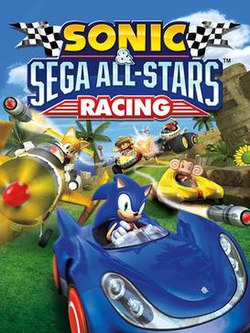
 Sonic & Sega All-Stars Racing on DS
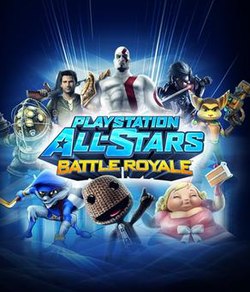
 PlayStation All-Stars Battle Royale on PS3
 Roary the Racing Car on DS
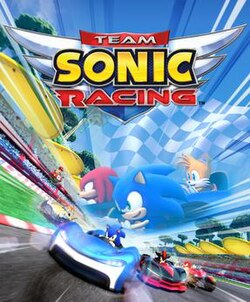
 Team Sonic Racing on Switch
 Garfield Kart: Furious Racing on Switch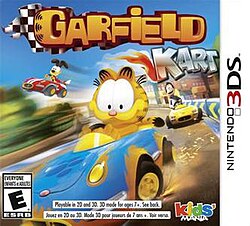










 Another SquareThought Site