

 May 2017
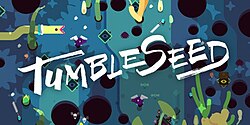

TumbleSeed is the video game equivalent of balancing a marble on a ruler while a tiny marching band of enemies tries to pickpocket your courage. It takes the simple, tactile charm of the arcade cabinet Ice Cold Beer and turns it into a digital, procedurally generated mountain climb full of holes, hats, and surprisingly vindictive vultures. You play as a sentient seed with a destiny and a fragile heart meter, and instead of directly steering it you manipulate a slanted vine with twin analog sticks to keep it rolling upward. If that sounds like pure chaos wrapped in cute visuals, that is absolutely the point. The game shipped to consoles including PS4 on May 2, 2017, developed by a small Chicago indie crew led by Benedict Fritz and Greg Wohlwend, and scored generally favorably with critics who loved the concept even when they sometimes wanted to throw their controller into a conveniently placed ravine.
The core loop of TumbleSeed is gloriously simple to explain and fiendishly difficult to master. You are ascending a mountain divided into themed biomes - forest, jungle, desert, snow - each with its own set of enemies and environmental nastiness. Instead of pushing a thumbstick to move the seed, you nudge the left and right edges of a horizontal, slightly slanted vine using both analog sticks. Raise or lower an edge and the seed obediently (or rebelliously) rolls where physics and your panic say it should. Level geometry is procedurally generated, so the holes, spikes, and enemy spawns refresh every run; the game is part arcade, part roguelike-ish, but really it wears its arcade roots like a tiny, adorable badge. Along the way you collect minerals, the in-game currency that doubles as a strategic decision engine. You can plant minerals to unlock power-ups at marked plots: Flagseed gives you an extra checkpoint, Heartseed grants extra hearts, Crystal seeds produce more minerals, and Thornvine gives you a one-use thorny defense. Later unlockables like Flailflower (turns your seed into a spike-bearing anchor) or Floodfruit (fills nearby holes with water) dramatically change how you approach a section. Choosing whether to spend minerals offensively to murderize an enemy, defensively to bypass a horror hole, or hoard them for better options later is one of the smartest tensions in the game. It forces you to think like a cautious squirrel with a gambling problem. Between mountain stretches you hit basecamp intermezzi - little breathing rooms that let you trade crystals for abilities, play minigames (shooting ranges and gambling devices, because obviously), and pick from a pair of free abilities. They also hide optional side quests that reward shortcuts for later runs if you can meet requirements like beating a level within a time limit or without taking damage. Shortcuts matter; TumbleSeed can be unforgiving, and the act of losing all hearts in a run will send you back to the very bottom of the mountain unless you've strategically planted Flagseeds. Falling into a hole usually humbles you back to the last checkpoint, but spikes and total-death moments will be brutal and final - very arcade. Enemies vary from predictable-pattern bugs to hunting predators, and they actively force you to juggle attention: keep the seed balanced, monitor enemy behavior, manage momentum, and decide whether to plant that mineral into another thorn or a heart. The multitasking requirement is both thrilling and, at times, stomach-churning. Controls are intentionally imprecise enough to feel organic - as if you are feeling the seed through the vine rather than puppeteering it - which makes learning rewarding but contributes to the steepness of the game's learning curve. Developers recognized this and later shipped the Four Peaks update to add training levels, weekly challenges, and persistent benefits to ease new players in. On PS4 you miss the Switch's HD Rumble nuance, so the sense of proprioception is slightly dulled, but the mechanical satisfaction of making a risky tilt and watching the seed narrowly squeak past doom still lands.
Graphically, TumbleSeed opts for a bright, minimalist, and very likable aesthetic. The seed-creatures are one-eyed, occasionally hat-wearing blobs that could easily star in their own hipster cereal commercial. The color palette is wide and cheerful, and the environments - though not jaw-droppingly detailed - are crisply readable and charming. Composer Joel Corelitz's soundtrack and the game's audio design give everything a bouncy, encouraging vibe: you know doom is waiting around the corner, but it hums along with jaunty optimism. Some critics found the visuals a bit too sweet for their own good; the distinction between cosmetic elements and active obstacles isn't always crystal clear, which can make split-second decision-making more painful. But the style recalls work Greg Wohlwend has been associated with - think clean shapes and cute characters - and it does a good job of welcoming players into a game that, mechanically, is rather unforgiving. The Switch got some extra kudos for being able to approximate the tug of the marble via HD Rumble; on PS4 you replace that micro-sensation with your eyes and ears instead, which is fine but not as tactilely intimate.
TumbleSeed is the kind of indie game that knows exactly what it wants to be: a modern love letter to the twitchy, marble-in-a-wooden-box days of arcades, dressed up with procedurally generated stages, unlockable abilities, and an occasionally vindictive difficulty curve. It is charming, occasionally maddening, and never boring. If you like the idea of learning a dexterity-based system that rewards patience, strategic resource decisions, and the slow burn of mastery, you'll get a lot out of it. If you prefer direct, crisp control with penalties that never feel arbitrary, prepare to grit your teeth and farm a few Flagseeds. The developers' post-launch attempt to soften the edges with the Four Peaks update was a smart move, because the original launch could be punishing to newcomers. Critics broadly agreed: the art, music, and concept earned praise, while the uneven difficulty and control finickiness prompted mixed feelings. On PS4 you won't get the Switch-exclusive Battle Mode or the full tactile wonders of HD Rumble, but you still get a well-designed, quirky action experience with a lot of personality. Score-wise this little seed plants a respectable 7.8 out of 10 - not perfect, but definitely worth a few emotional investment sessions and a handful of joyful triumphs when you finally make it past a section that used to make you want to send the seed to therapy.
 Disney's Chicken Little: Ace in Action on PS2
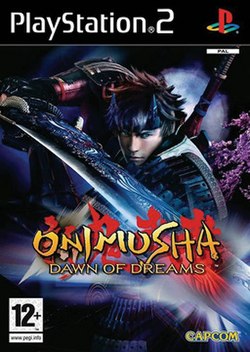
 Onimusha: Dawn of Dreams on PS2
 Tokyo Xanadu eX+ on PS4
 Action Man: Operation Extreme on PlayStation










 Another SquareThought Site